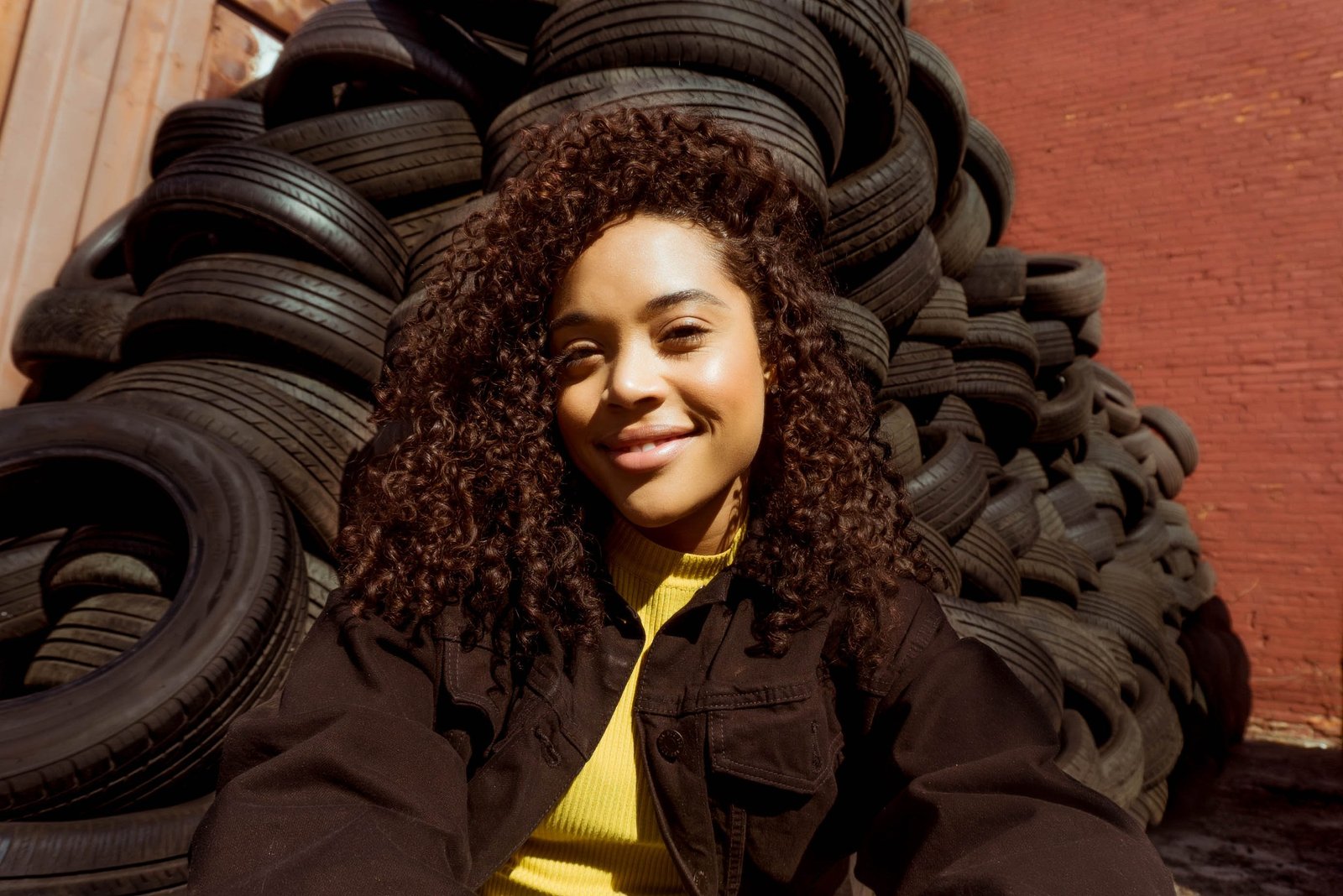
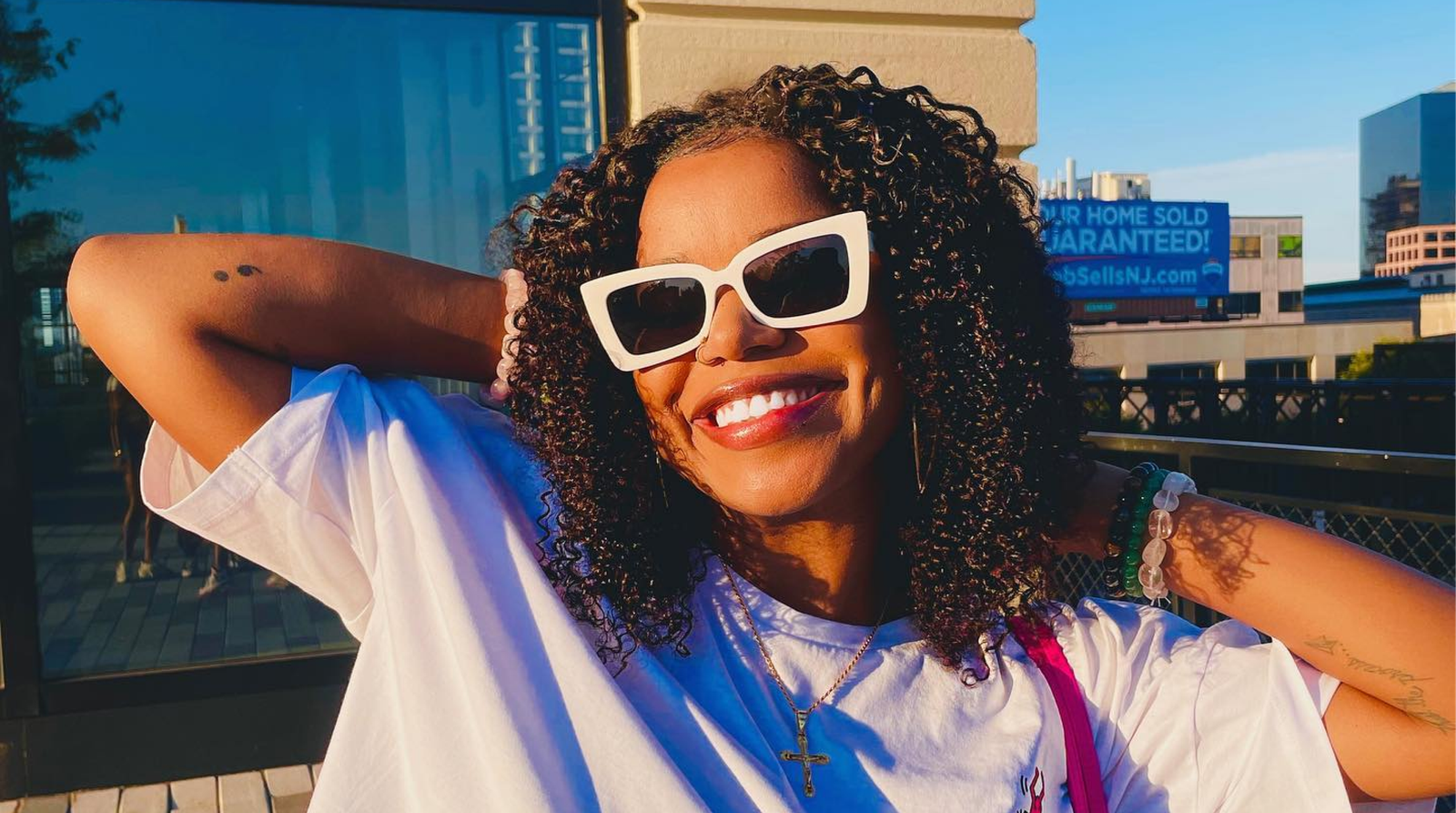
YouTuber Kianna Naomi Releases Indie Short Film Apartment 7
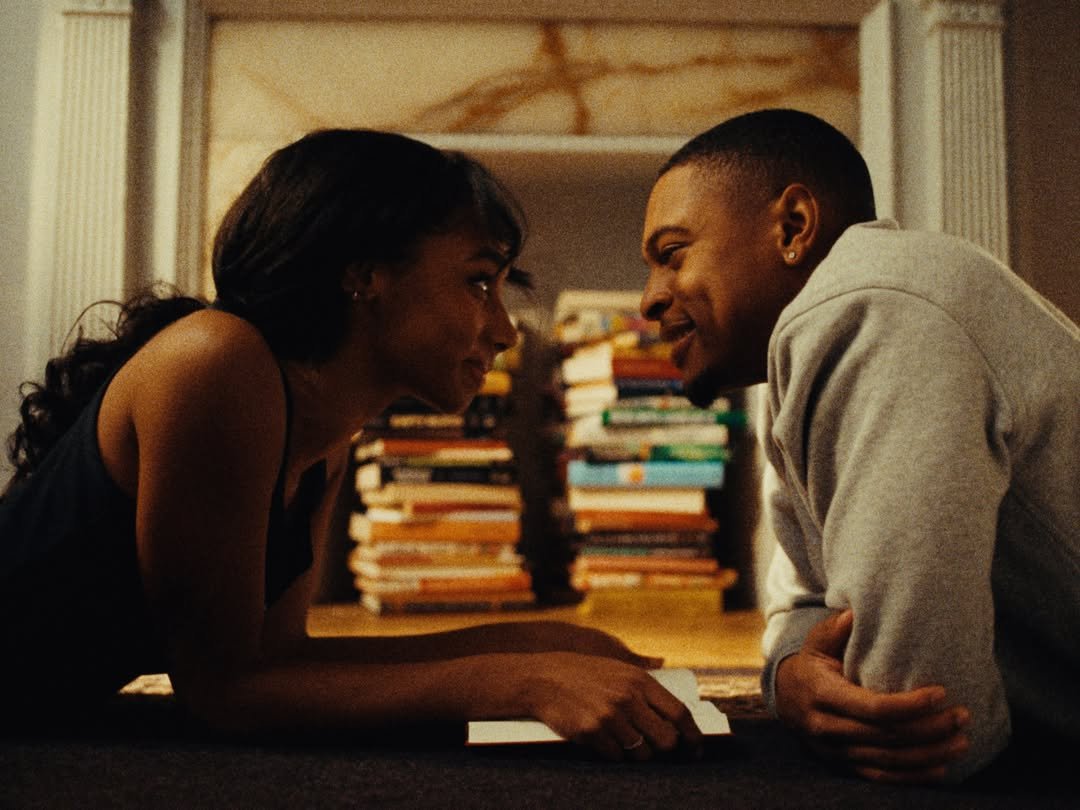
No stranger to long-form content creation, YouTuber and social media it-girl Kianna Naomi has released a short film that she wrote, executive produced, and even edited.
Inspired by “the fantastical world of Man’s Best Friend by Sabrina Carpenter,” Apartment 7 follows the entanglement of two avoidant lovers. Kianna Naomi says she and her friends made the short for fun because Black girls need to see themselves going through everyday things, no intense trauma, just complex relationship dynamics that are relatable for most 20 year olds.
No tragedy waiting to happen and not a hyper-polished version of Black womanhood packaged for consumption. Just a girl…making questionable romantic decisions, overthinking a text, moving into a new apartment, traveling somewhere she’s never been, learning a language, reading a book, and figuring out what she wants her life to look like.
Kianna herself is complicated, funny, romantic, ambitious, awkward, smart, artsy, quirky, and sometimes completely unserious. And she is allowed to be all of those things at once, and gives her audience permission to be all of those things as well.
Few creators have understood the cultural importance of that kind of representation quite like Kianna.
For more than a decade, Kianna has been building an audience online by doing something that sounds deceptively simple: letting people watch her live her life.
Her YouTube career began when she was a teenager, and over time her content has expanded from fashion and beauty into travel, relationships, books, lifestyle, and the everyday process of becoming an adult. Today, she has built an audience of hundreds of thousands of people who don’t just watch her videos, they feel like they know her. And that intimacy is part of what makes Kianna’s work so special.
There is no constant pressure to convince you that her life is aspirational. It just is. And somehow, that makes it more aspirational than most of the internet.
Years ago, Kianna articulated something that would become a throughline of her career.
In a 2019 interview with Teen Vogue, she spoke about wanting Black girls to look at her and see someone who was confident and comfortable with who she was, and to feel capable of doing the same. That mission has shaped everything that came after.
Kianna has never needed to make herself into a caricature of a Black girl in order to connect. She doesn’t have to be the loudest person in the room. She doesn’t have to be hypersexualized. She doesn’t have to manufacture drama. She doesn’t have to turn every relationship into content. She doesn’t have to make every trip look like a luxury campaign. And she doesn’t have to make herself impossibly polished.
That’s exactly why her audience feels less like an audience and more like a group of friends. And when you grow up rarely seeing people who look like you simply existing in the stories around you, seeing someone do exactly that can become its own form of representation.
Apartment 7 feels like a new chapter.
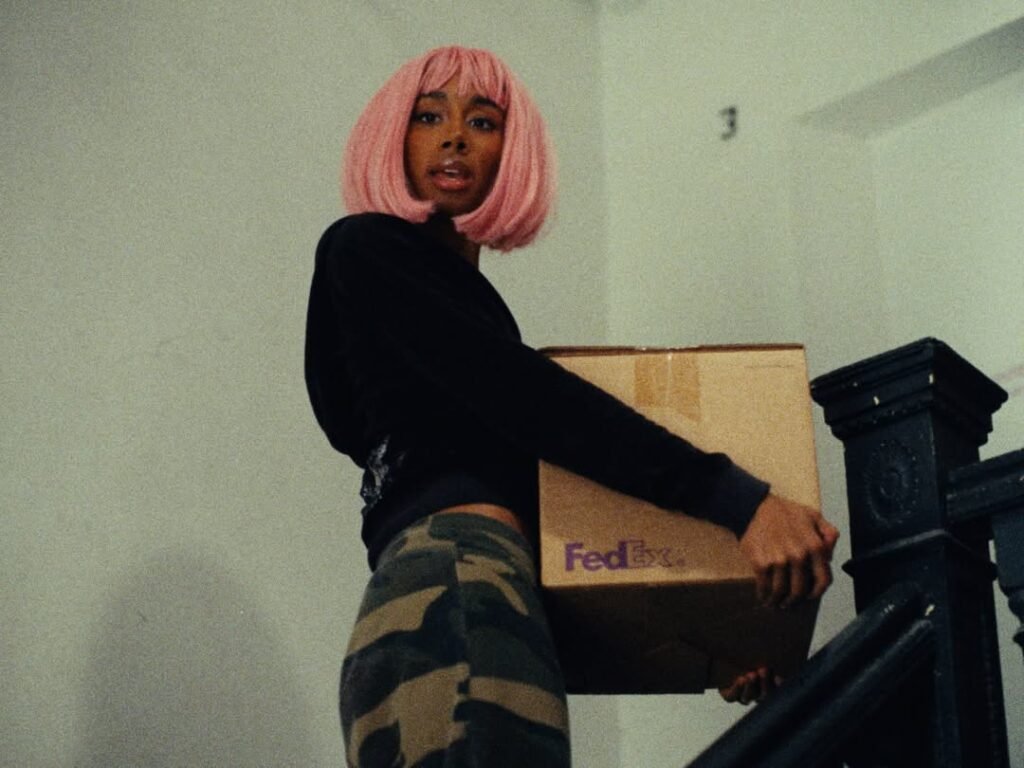
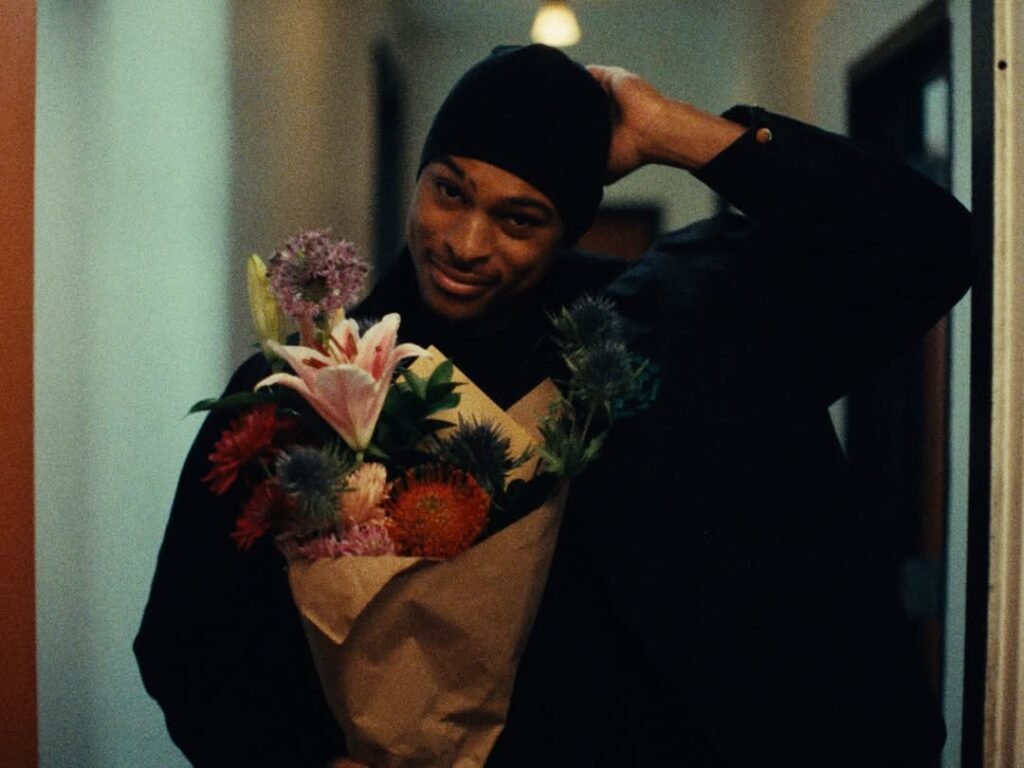
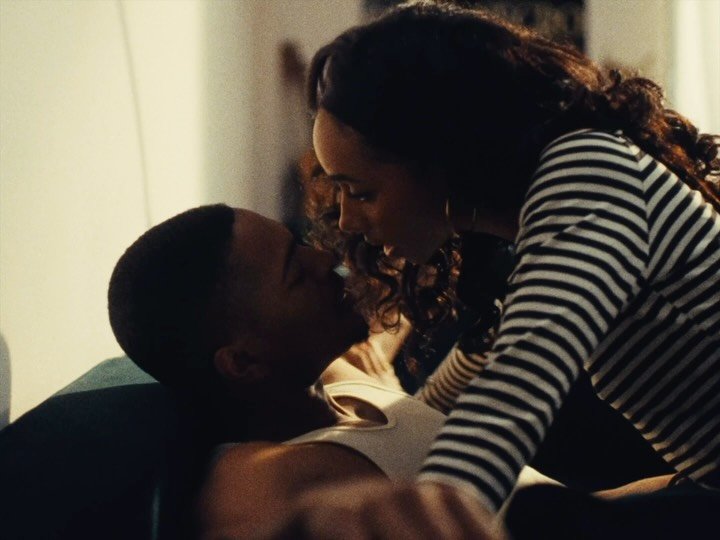
Written and executive produced by Kianna, Apartment 7 is a short film set in Brooklyn that follows a young woman who unexpectedly falls for the superintendent of her building. Directed by Cole Swanson, the nine minute film stars Kianna alongside love interest Trey Rogers and voice of reason Kitty Lever.
The story unfolds in chapters: The Crush. The Situationship. The Relationship. The Aftermath. Epilogue.
It covers the emotional rollercoaster of liking somebody in your twenties. The result is something that feels playful and cinematic while still being rooted in the very recognizable weirdness of modern dating.
A crush becomes a situationship. A situationship becomes a relationship. The relationship gets complicated. And eventually, the parties have to deal with the aftermath. It’s relatable.
There is a tendency in conversations about representation to focus on stories of extraordinary hardship.
But Black girls also deserve stories about the completely ordinary things that make up a life. Apartment 7 gives Black girls the freedom to occupy a messy, romantic, slightly ridiculous emotional universe.
Kianna has spent years creating a world online. Her audience has followed her through different cities, countries, friendships, books, dates, phases, interests, and versions of herself. Her YouTube channel even carries a quietly revealing description: “one day I’ll turn these into movies.”
Apartment 7 is the beginning of something that feels larger than a single short film. It’s Kianna taking the sensibility that has always existed in her digital work and expanding it into fictional cinemas.
The internet has spent years asking creators to turn themselves into products. Build the audience, secure the brand deal, make the sponsored post, go viral. Repeat.
Kianna has largely resisted the idea that her value comes from constantly escalating the spectacle. Instead, she has made the mundane feel magical. And now a crush in an apartment building becomes a film. This is her unique model of influence.
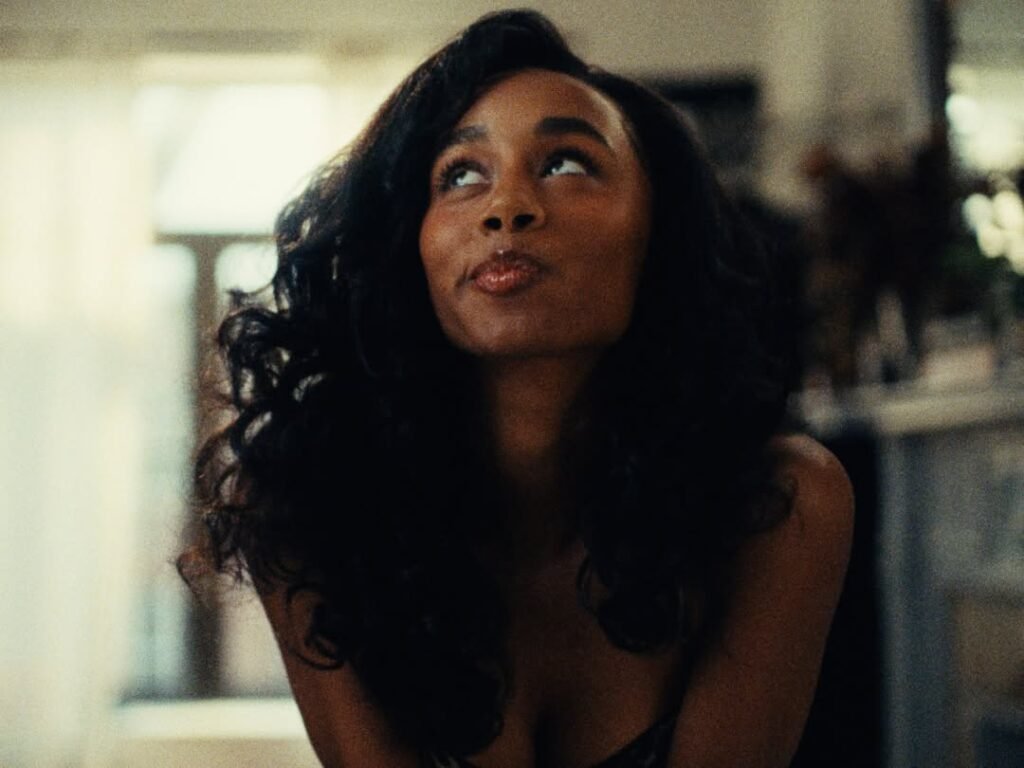
Kianna’s isn’t standing in front of you telling you how to live. She’s just living.
So much of social media now feels like a performance: the optimized home, the optimized body, the optimized relationship, the optimized vacation, the optimized morning routine, the optimized career. But Kianna’s appeal comes from somewhere else.
She makes room for imperfection, for curiosity, for the possibility that a life can be beautiful without being perfectly curated. And for young Black women watching her, that can be revolutionary.
There is freedom in seeing someone who looks like you move through the world without constantly explaining why she deserves to be there.
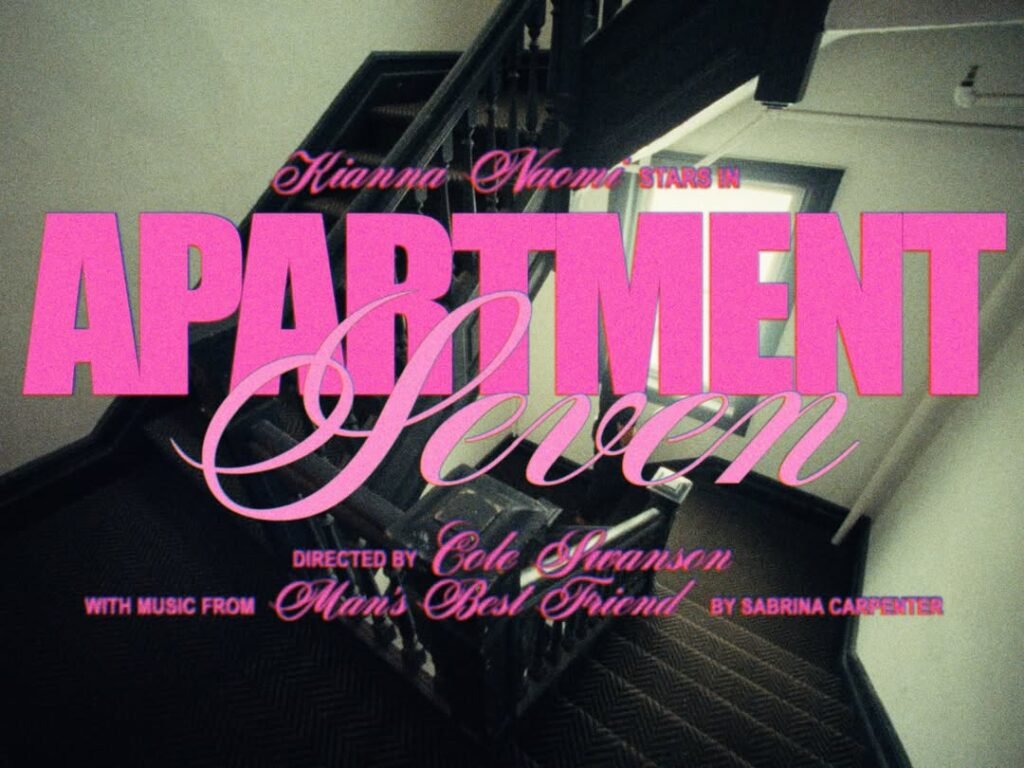
Apartment 7 is ultimately a short film about romance. But it’s also a statement about possibility.
It says that the stories Black girls create for themselves don’t have to fit inside the narrow categories that have historically been assigned to them.
And maybe that is the most Kianna Naomi thing about Apartment 7. She and her friends made it because they wanted to, because they had a story to tell and wanted to tell it.
That kind of creative freedom is its own form of representation.