If You Miss the R&B of the Early 2000s, Paris Alexa Releases Honeymoon
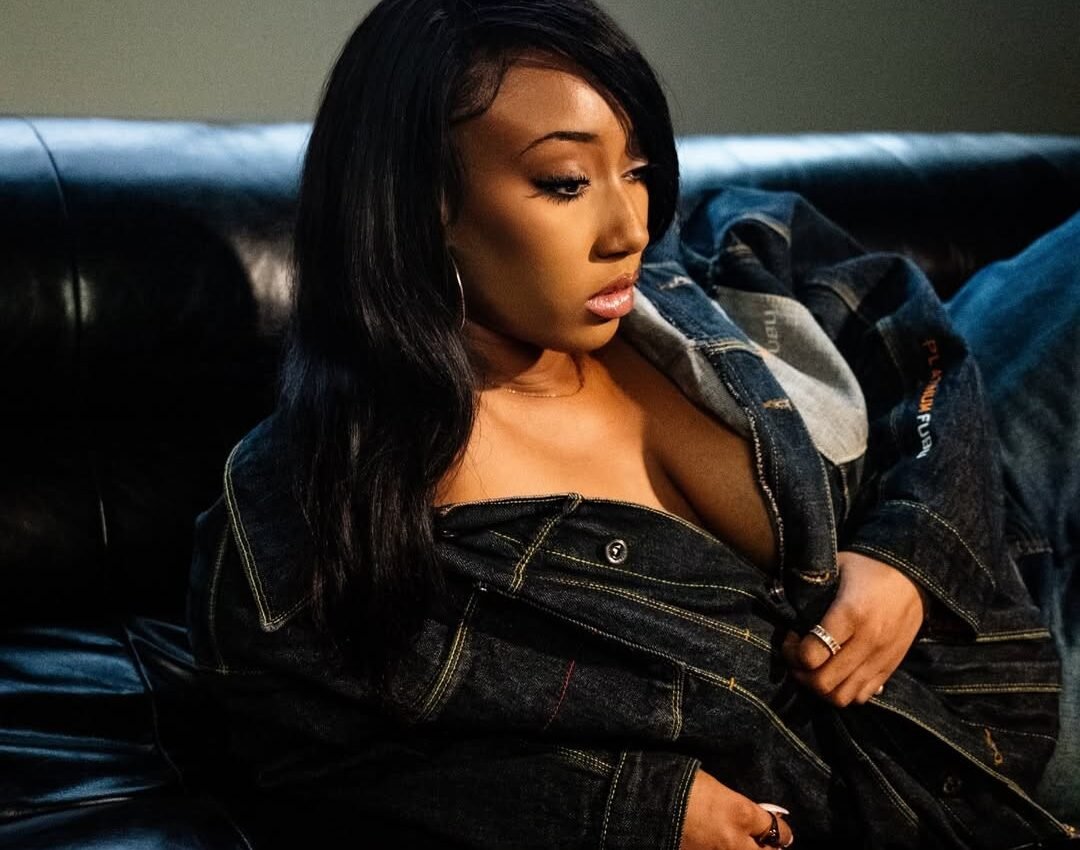
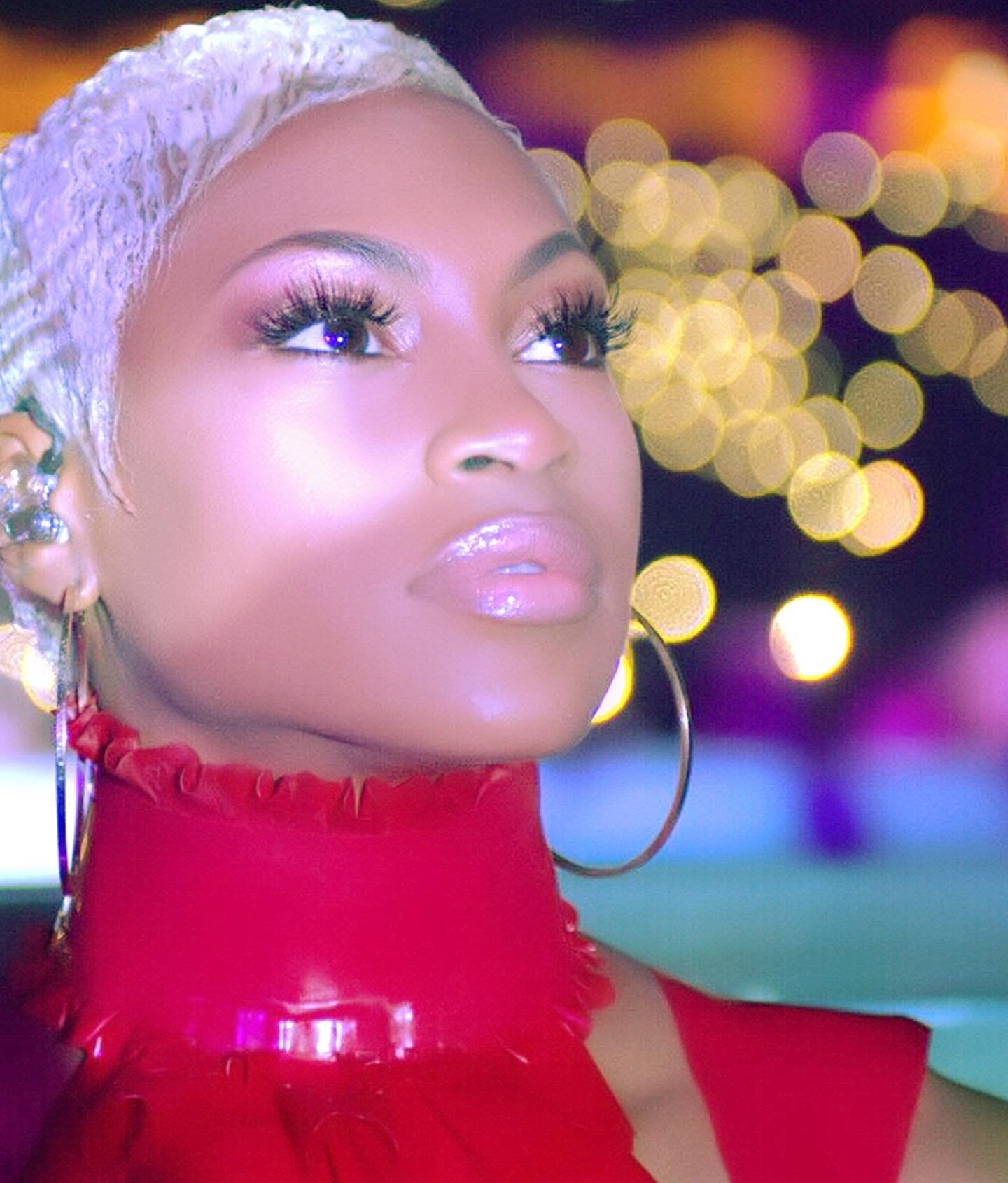
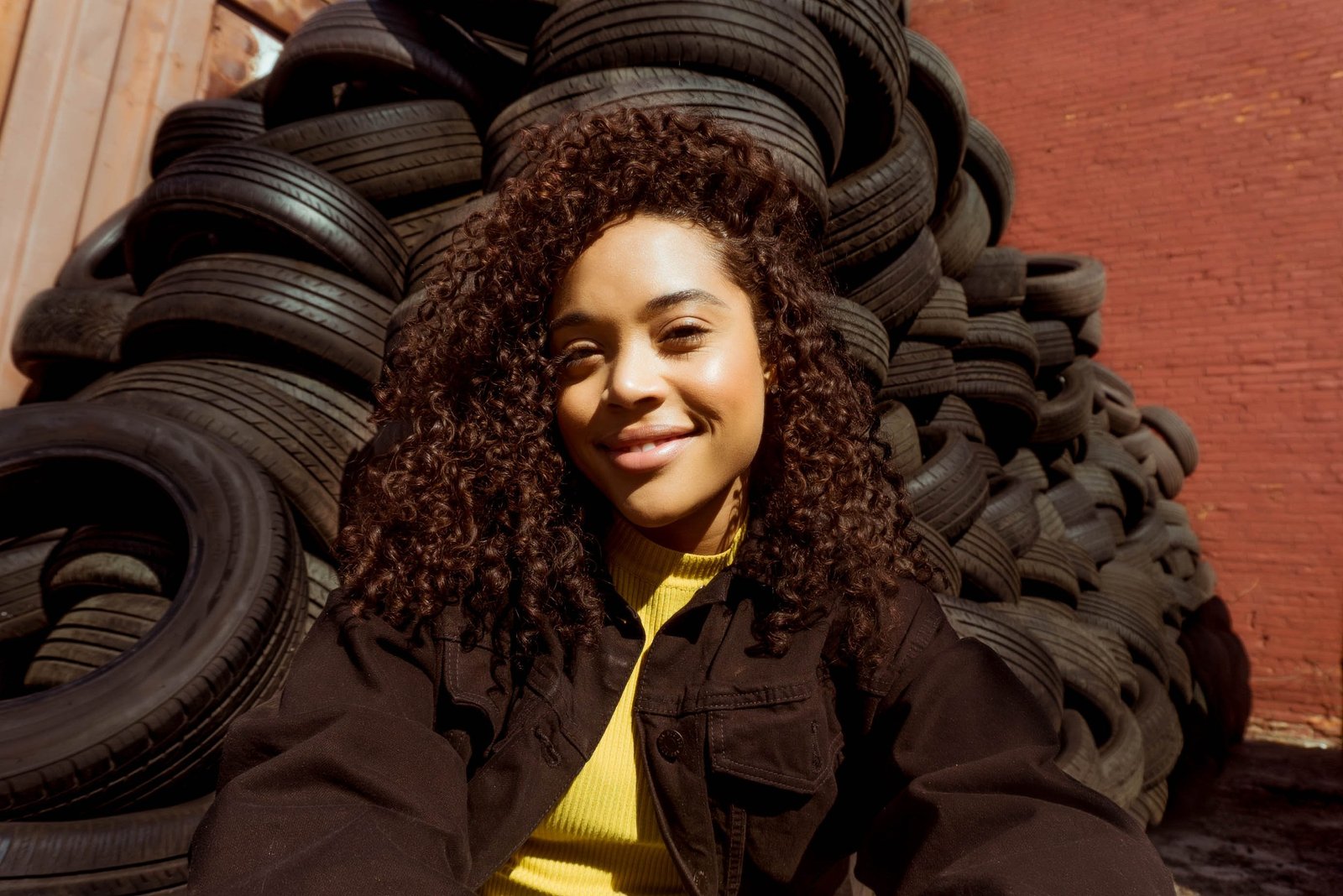
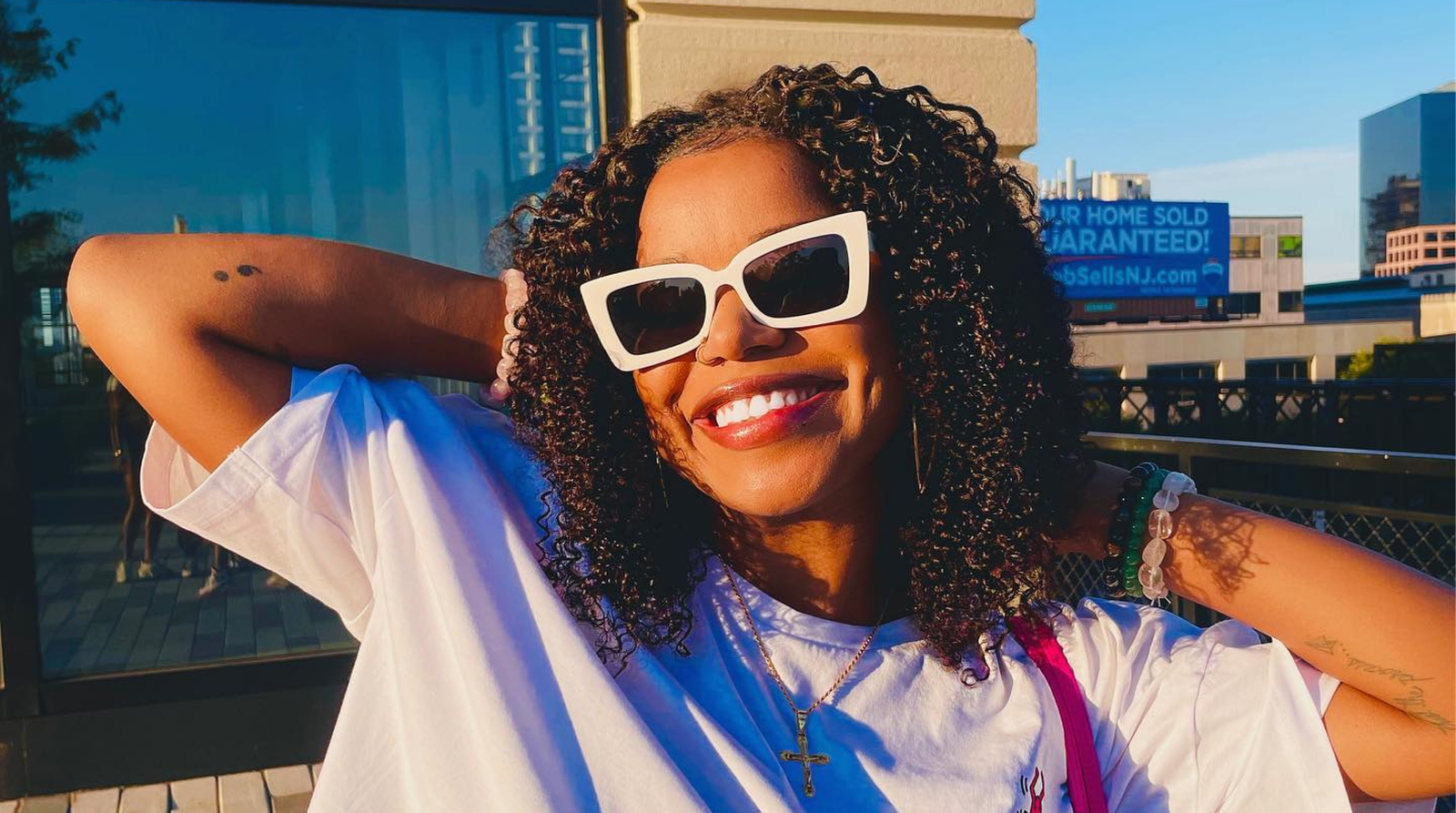
With “Honeymoon,” singer-songwriter Paris Alexa is stepping into a new era of artistry rooted in womanhood, creative intuition and the belief that an artist does not have to become louder, more controversial or more consumable to be undeniable.
R&B songstress Paris Alexa feels like the kind of artist who arrived fully formed. Not through formalized artist development, but because she’s already done the independent work of deciding what she is and, more importantly, what she is not.
The Seattle-based singer, platinum songwriter, and producer has spent the better part of the last decade developing a creative range that refuses easy categorization. She can write across R&B, pop and international markets and has built a career behind the scenes as a songwriter while simultaneously establishing herself as an artist. She has worked in rooms from Los Angeles to Seoul, written music for artists outside of her own genre, and built a résumé that already includes significant moments most emerging artists are still hoping to reach.
And now, Paris’ return to her own artistry is rooted in her truly understanding what she wants to say. Her newest single, “Honeymoon,” arrives as part of a larger reintroduction.
“I’ve always led with the reason,” Paris tells Queens At Work. “Like, why am I even doing this?” It’s a question that led her to step away from releasing her own music for years.
“I literally was like, ‘I don’t have a reason right now. I am not ready,’” she says of the five-to-six-year hiatus that separated this chapter from her previous work.
In an industry increasingly designed around constant visibility, Paris chose absence over performative certainty. Rather than release music simply to remain in the algorithm, she waited until she had something worth returning for. And now, she does.
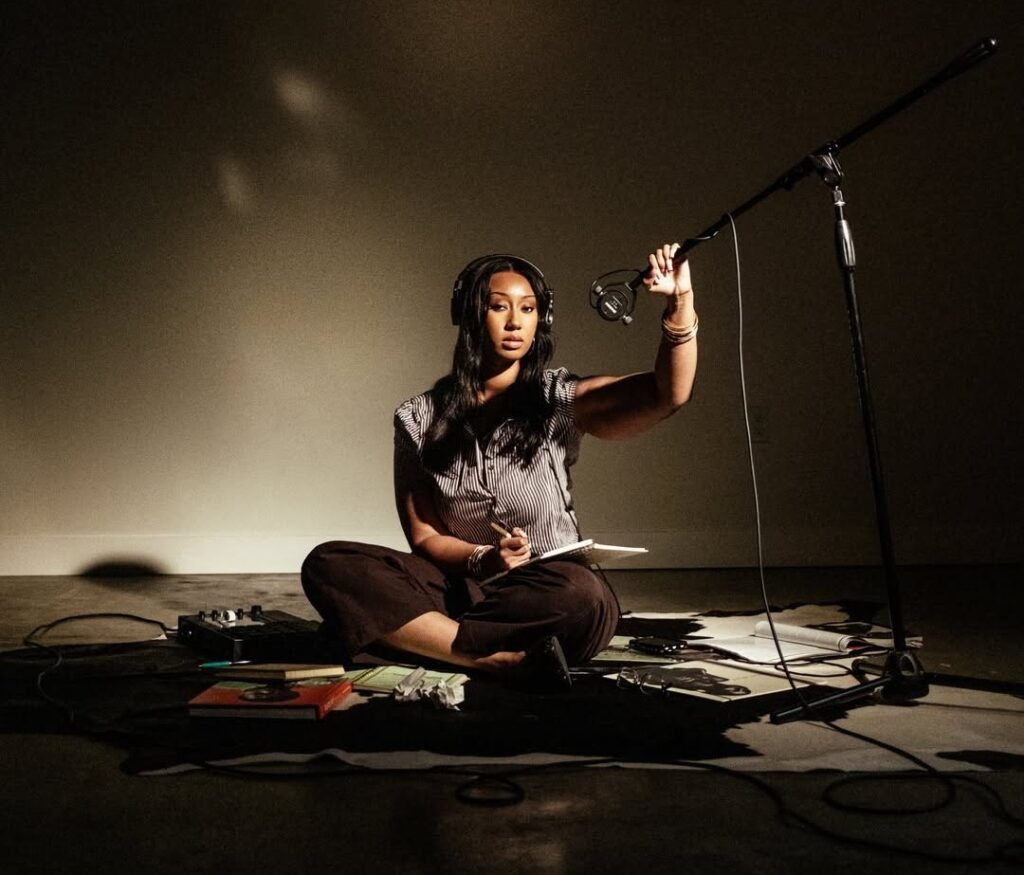
Paris describes this chapter as an attempt to reconnect with a particular feeling she remembers from the music that shaped her. Her references are nostalgic: Mýa’s Fallen, Brandy’s Full Moon, Jazmine Sullivan’s Reality Show. Music from eras when, in her words, Black women could simply exist inside the narrative.
They could have a crush, walk through the city, argue with their partner, fall in love, be disappointed, be complicated… There did not always need to be a spectacle attached.
“I felt like as a consumer, as a listener, there was music that felt like just peak Black femininity,” Paris says. “Black women could just be.” That memory has become the foundation for the music she is making now.
Paris isn’t attempting to recreate the early 2000s. She’s more interested in asking what happens when the emotional and sonic freedom of that era is brought into the present. Her goal is to pay homage without becoming a replica, and to take the textures, intimacy, and perspective that made those records hit the way they did and continue the story from her own point of view.
“Honeymoon” is part of that exploration. The song, produced by RJ Parker, follows her return single “Wrong Generation” and continues a larger conversation about connection and what exists underneath the polished version of ourselves we are often encouraged to present. In recent coverage of the release, Paris described “Honeymoon” as a reflection on what happens after the initial rush of a relationship settles and love becomes something two people must continue choosing and building.
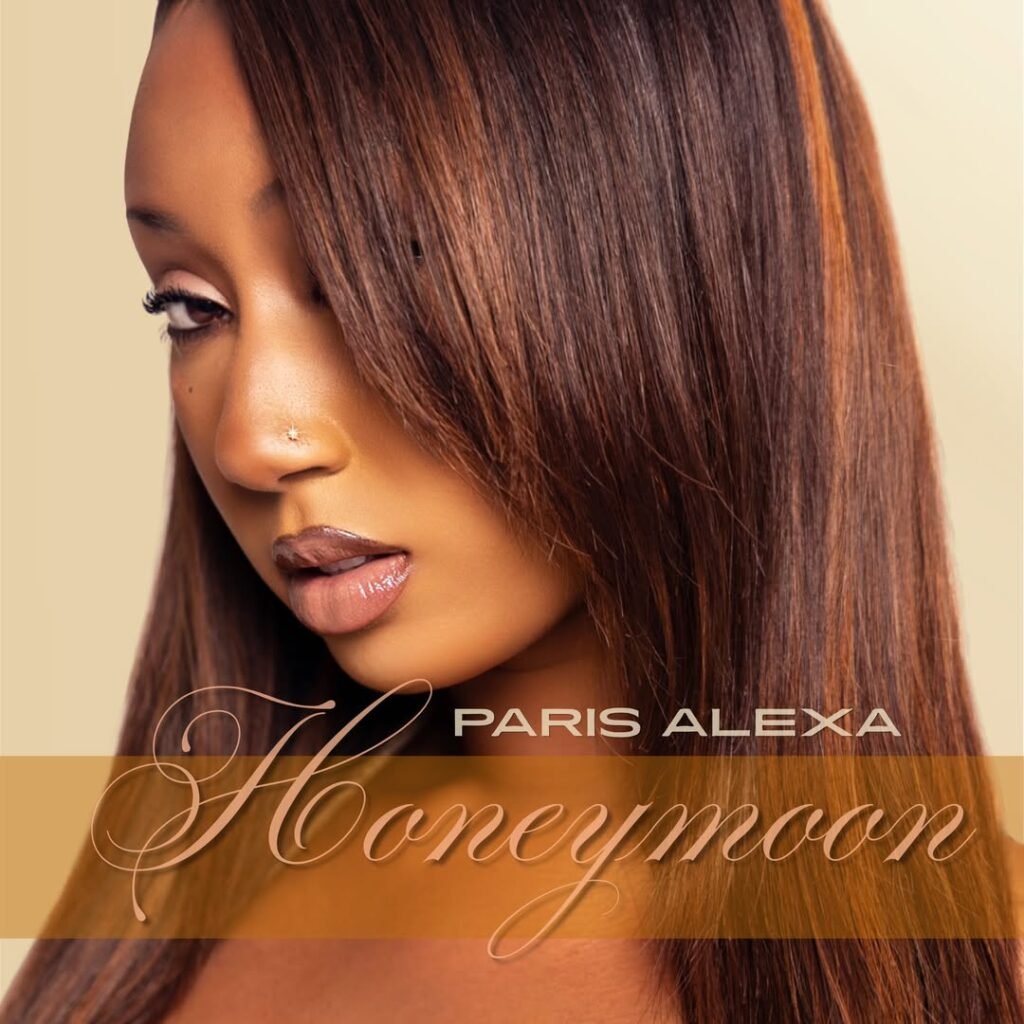
That perspective is representative of what makes this new era feel particularly interesting. Paris isn’t chasing a simplified version of romance, she’s interested in what comes after the fantasy, and she seems interested in making music about everything that exists after the performance.
This artistic direction is also a response to what Paris sees happening in entertainment. After more than ten years working across genres, she has watched how trends move through the industry. She has sat in the rooms where conversations about what will generate views eventually become conversations about what an artist should say, wear, or sound like for the sake of making the work more marketable.
The problem, though, is that many of the people making those decisions do not necessarily share the experiences of the artists whose identities they are helping to package. “They are ultimately kind of getting the ability to shape what a Black woman sound is in 2026,” she says, describing the influence of curators, tastemakers, executives and industry gatekeepers.
Her response is not judgment. Paris is clear that sexuality, boldness and experimentation all have their place. Her question is whether Black women are being allowed to be as expansive as they actually are.
“Is that all we have to offer?” she asks. “I’d love to remind everyone how flexible Black women can be, how multifaceted we can be, how our perspectives are different and shifting and changing.”
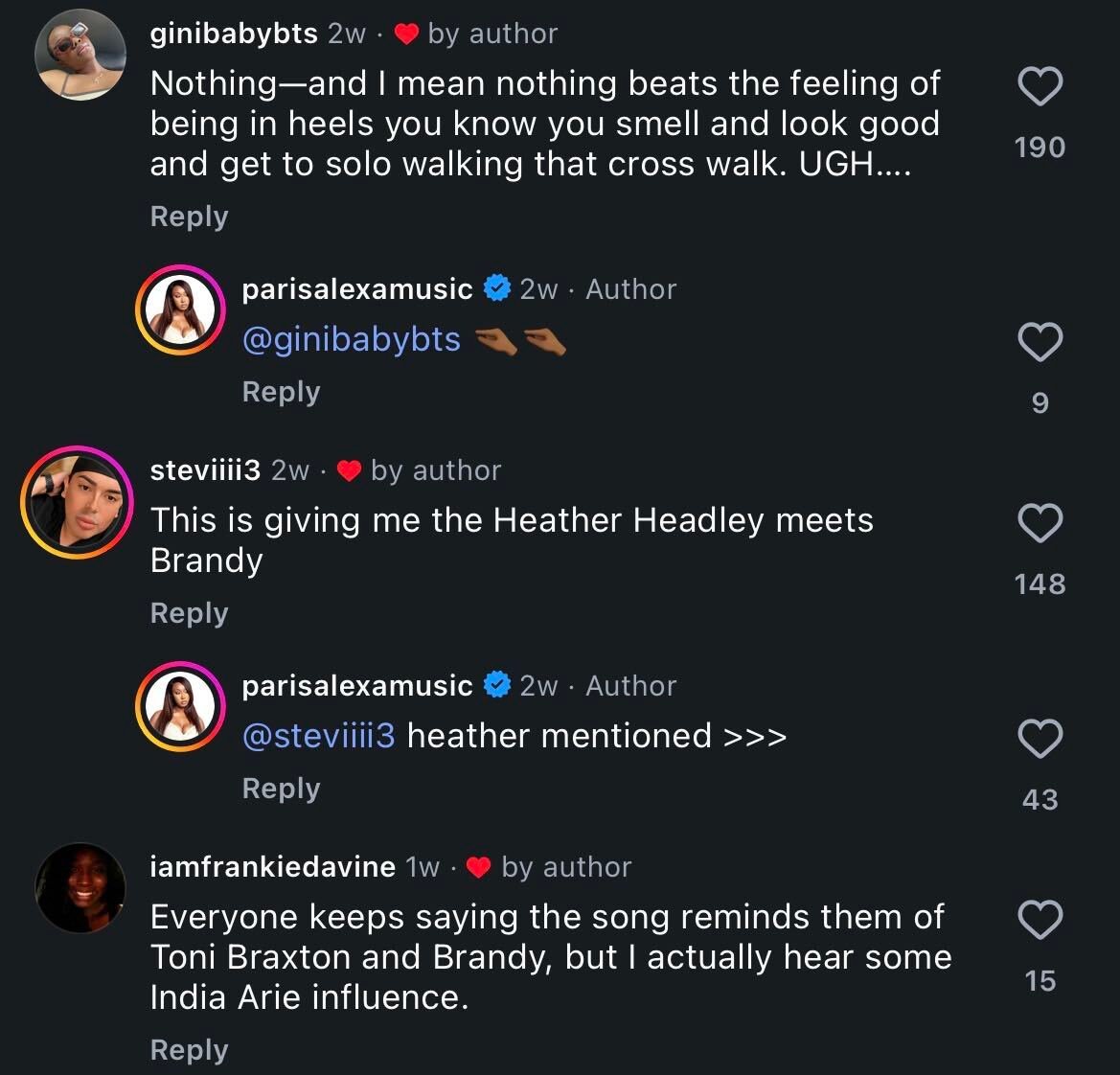
That philosophy is embedded in the rollout surrounding her new music. Her goal as an artist, she explains, is to create music that validates and encourages Black women, to give their perspectives space and create a place where listeners can feel safe, warm and understood. And the feedback validates.
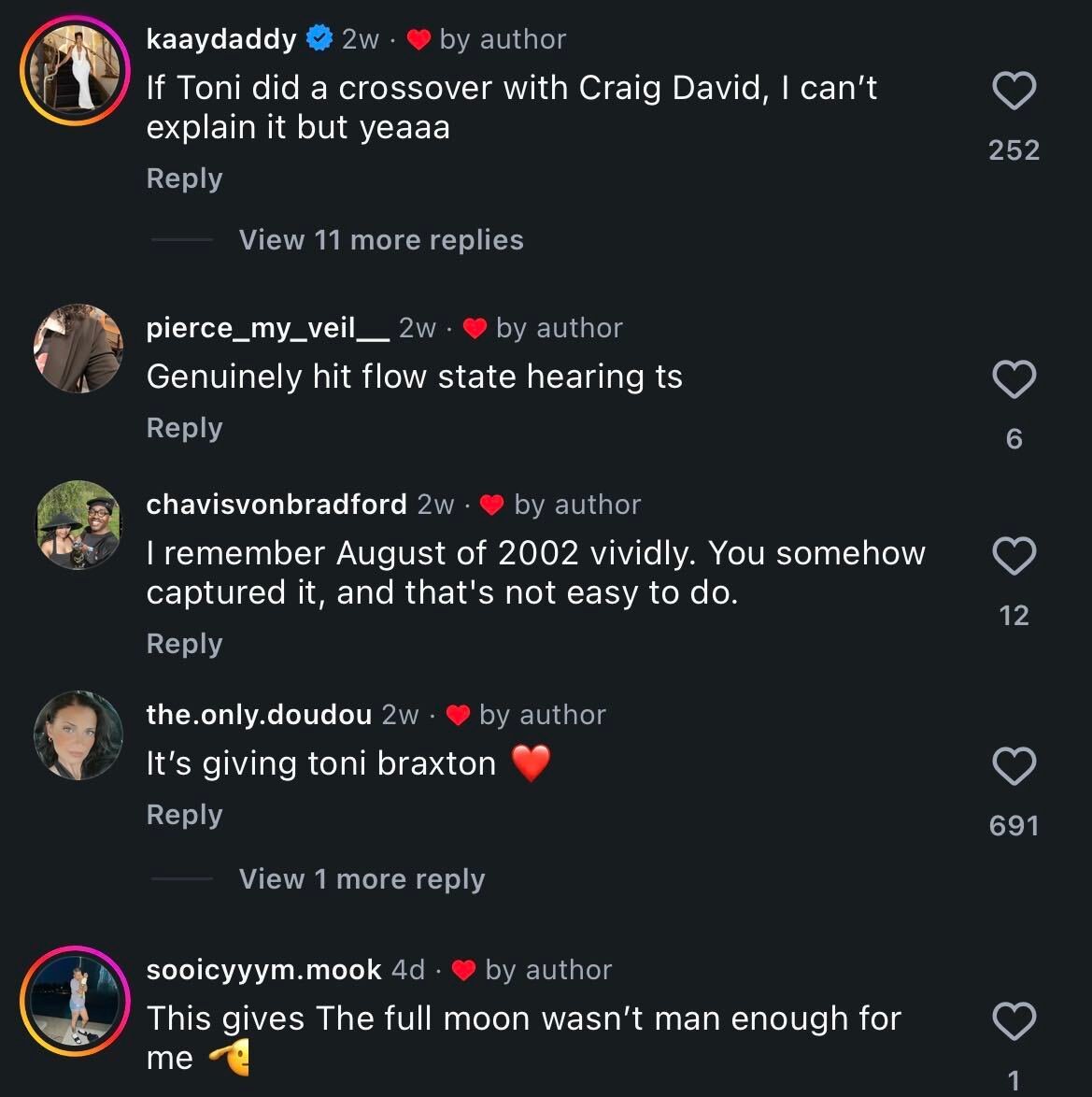
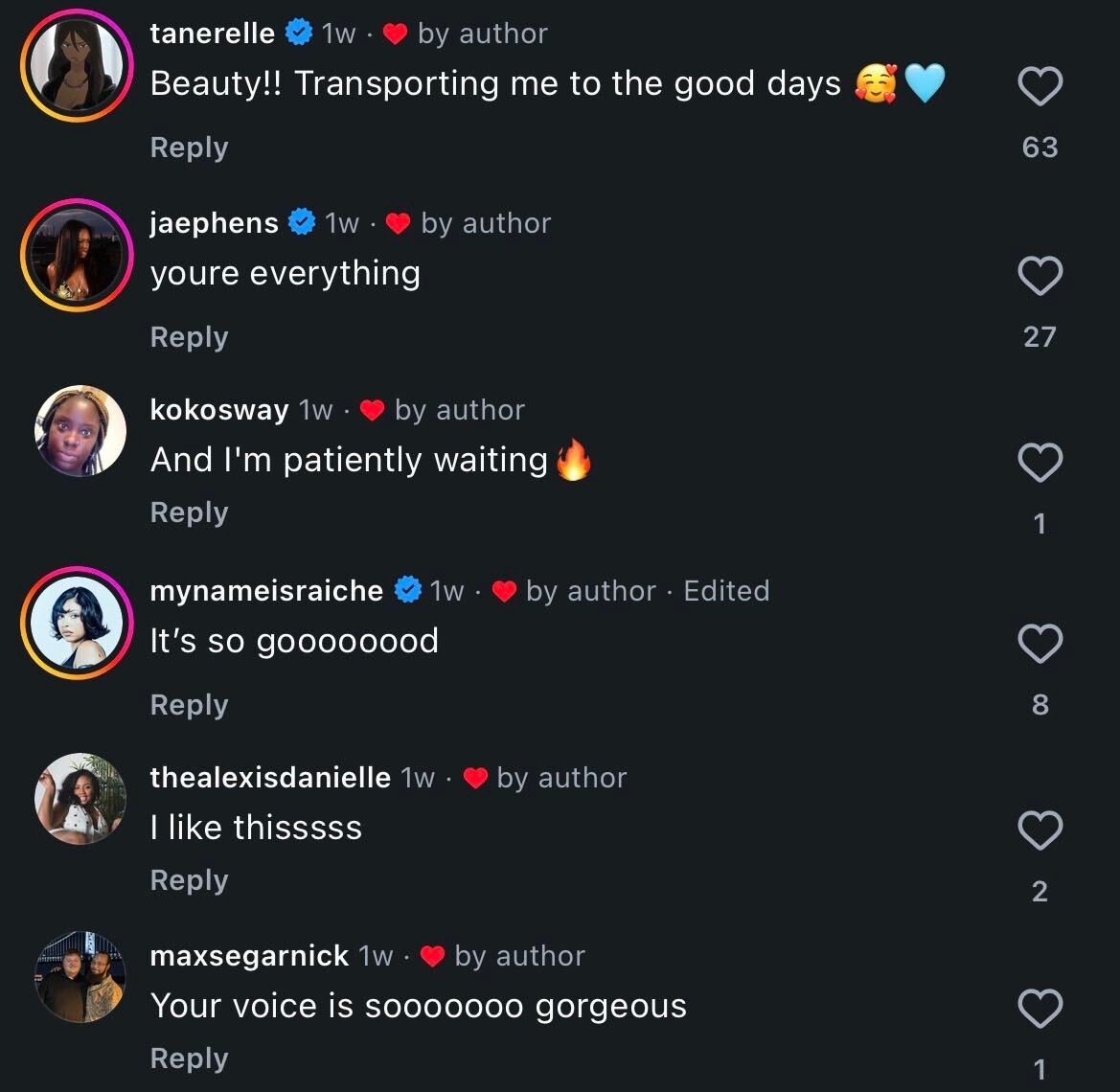
Now, Paris’ personal artistry aside, her songwriting career reveals another dimension entirely. She loves making hits. “Undeniable bangers,” as she puts it. And she has the range to do it.
Paris has written across R&B, pop, K-pop and other international markets, describing herself as someone who can occasionally feel “too pop” for one room and “too R&B” for another. Instead of treating that versatility as an identity crisis, she found a space where the combination became an advantage.
That space was international songwriting.
A connection with producer Dem Jointz eventually led Paris to South Korea, where she joined a room filled with Black songwriters and producers working within K-pop. The experience would become a turning point in her career. She found not only a new creative market, but a space where the blend of her pop instincts and R&B foundation made complete sense.
That journey eventually led to one of the biggest records on her résumé: aespa’s “Supernova,” which became a major success in 2024 and earned Paris significant recognition as a songwriter.
Her ambitions as a songwriter remain global. She wants to be in every kind of musical room. “I want them to look at the credits and be like, ‘It’s this girl again,’” she says.
But there is a deeper mission underneath that ambition. “Paris representing, like, Black women need to be in every room.” Her versatility is not about abandoning her identity to fit into different genres. It’s about demonstrating that Black creators were never meant to be limited to one.
Today, Paris remains independent as an artist while pursuing the right worldwide publishing partnership for her songwriting catalog. She is not opposed to larger opportunities. She simply refuses to confuse access with alignment. “I need it to make sense,” she says.
After previous experiences in which she felt that the people around her did not fully understand what she was trying to build, Paris has become deeply protective of her artistry. She and her team have already proven that they can create fandom independently, and she is willing to wait for a partnership that understands the vision rather than rushing toward one that merely offers scale.
That approach may be one of the most modern things about her. She isn’t against labels or commercial success. She just wants the growth to make sense.
During our conversation, Paris describes herself as “the antithesis of AI” and “the opposite of clout.” The statement lands because it feels like a useful summary of her larger artistic philosophy.
In an era where artists are often encouraged to manufacture constant moments of relevance, Paris is building around something much less predictable: intuition.
She talks openly about quitting music, returning to it, changing her mind and allowing her creative identity to evolve. She does not present her path as perfectly linear because it has not been. And that’s exactly what makes her one of the more compelling artists to watch.
There is an emerging generation of artists beginning to reject the idea that success requires one fixed persona, one genre, one version of femininity or one relationship with visibility. Paris belongs to that generation, but her particular advantage is that she has already seen enough of the industry to understand the cost of becoming something she doesn’t want to be. So she’s choosing differently.
The music she’s creating incorporates live instrumentation and a musicianship that gives her work a sense of warmth often missing from music built entirely for speed and consumption.
Her songwriting career allows her to explore the outer edges of her creativity. Her artistry allows her to come home. And with “Honeymoon,” that home is beginning to take shape. Ultimately, Paris wants her music to become “the soundtrack to people’s lives.”
That may be the clearest indication of where this next chapter is headed. And for an artist who spent years learning how to make music for everyone else, Paris is now making a convincing case for why the most important thing she can do next is continue making music that sounds unmistakably like herself.
The single “Honeymoon” is available now. Paris Alexa’s forthcoming EP and future touring plans are currently in development.