Project Beauty Expo Hosts FundHER Future Power Brunch
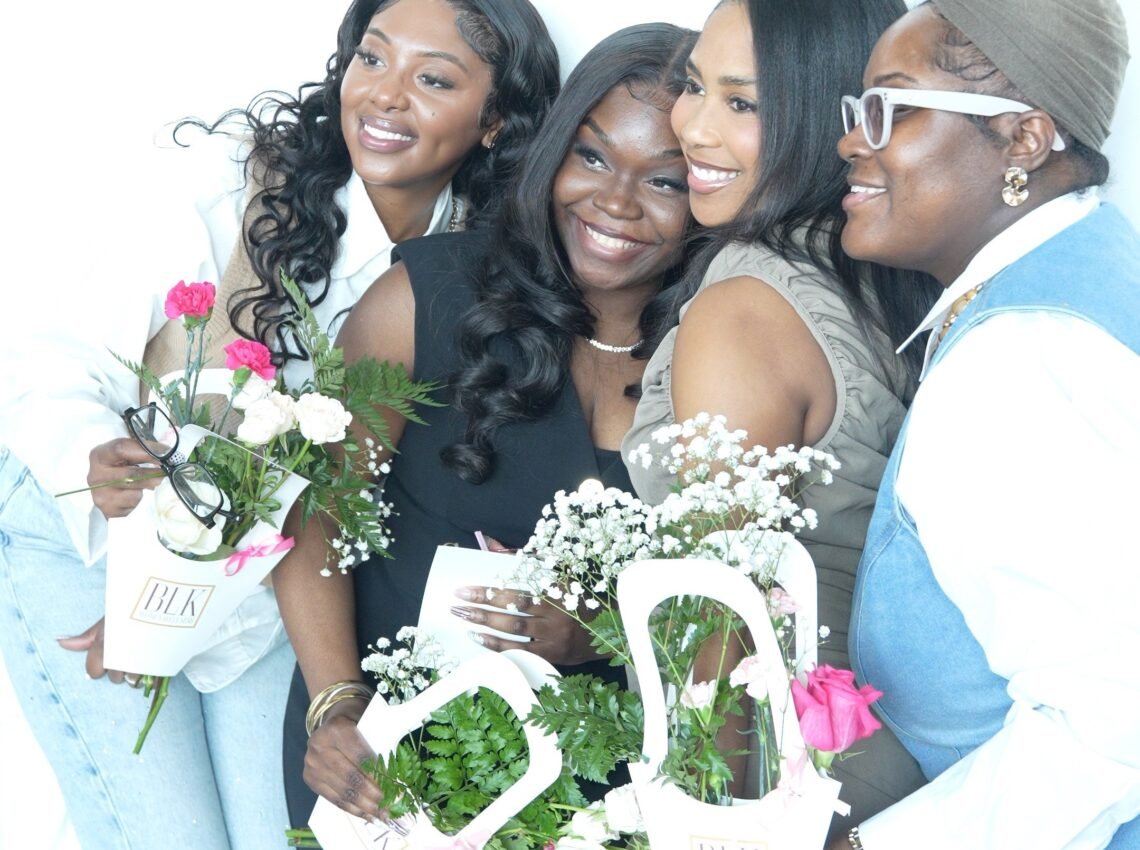
FundHER Future, a brunch event hosted by Brittany Brown and her platform Project Beauty Expo, took place at Industry City in Brooklyn, New York, closing out Women’s History Month with a room full of founders gathered to talk about money and access.
Brittany has spent the last 8+ years building her solution to a beauty industry problem. Project Beauty Expo (PBE) launched in 2016 as an offline conference space for indie beauty brands to be discovered by consumers who were actively looking for products made with them in mind, but over nearly a decade, the platform has evolved into something more holistic.
“Today, PBE is an online platform and offline community built specifically for multicultural beauty founders and professionals,” Brittany shared with Queens At Work, “connecting them with the education, partnerships, and resources they need to grow and scale their businesses.”
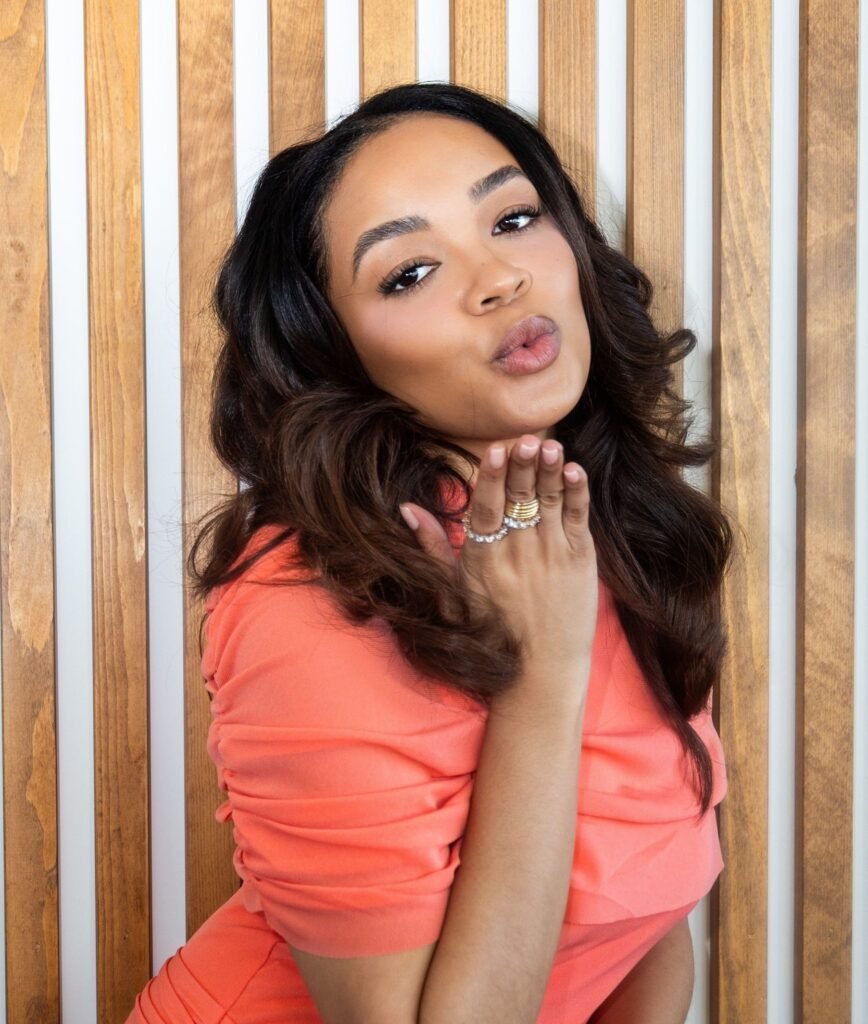
She continues, “There were very few platforms built with the founder at the center. Not just to spotlight them, but to actively invest in helping them build their businesses. And the platforms that existed in a similar space were often prohibitively expensive, effectively pricing out the very indie brands that needed access the most.”
What grew out of that original conference is now a full ecosystem. Project Entrepreneur, an extension of the PBE platform, serves CPG founders specifically with moving into funding conversations, retail partnerships, and strategic growth. Creative Capital, the platform’s flagship event series, brings together investors, resource partners, and entrepreneurs from across beauty, tech, food and beverage, and beyond. And FundHER Future is the latest expression of all of it.
“The process always starts with the founder,” she says. “Before I curate anything, I ask myself where is this person right now? Not just in their business, but in their life. Are they navigating motherhood? Building out their team? Trying to figure out if they need a CFO? I work backwards from all of that, because the room has to meet people where they actually are.”
That standard extends to every partner and panelist she brings in.
“Anyone I bring in as a panelist or partner goes through a real conversation about our audience first. I’ve turned down brands that I felt wouldn’t authentically serve the room we were building. That’s not a small thing. Who’s in the room shapes everything. It guides the conversation, it sets the tone, and it protects the trust our community has placed in us.”
And, she is equally intentional about outcomes.
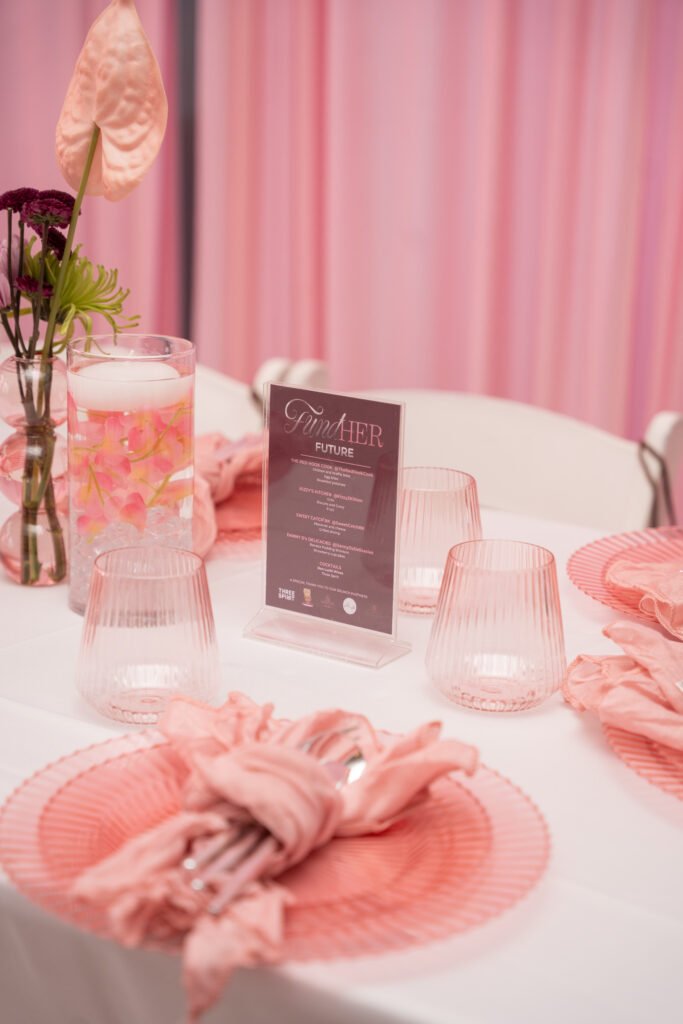
“I’m also intentional about making sure we’re not just naming problems. We’re offering pathways.” FundHER Future was built on exactly that philosophy, but with a deliberately expanded definition of funding. “With FundHER Future, the focus was funding — but I knew I had to think about it broadly, because our community is at varying stages of their journey. Some founders are looking to raise capital. Some are pursuing grants or better loan terms. And some are simply trying to figure out how to build personal wealth alongside their business. I wanted the lineup to speak to all of that.”
Julia Delin, investor and co-founder of Cheque, for example, is a voice at the table who understands what founders need to do to make themselves fundable, and what investors are actually looking for on the other side of that conversation.
Additionally, Chyna Russell, the force behind both Dollhouse Cosmetics and Dolly Nail Bar, is a founder who has built across product and experience — cosmetics on one side, a nail salon concept on the other. Chyna represents exactly the kind of multi-brand, culturally fluent entrepreneurship that Brittany’s platform was designed to amplify. Her presence at FundHER Future was a case study in what is possible when a founder refuses to be boxed in.
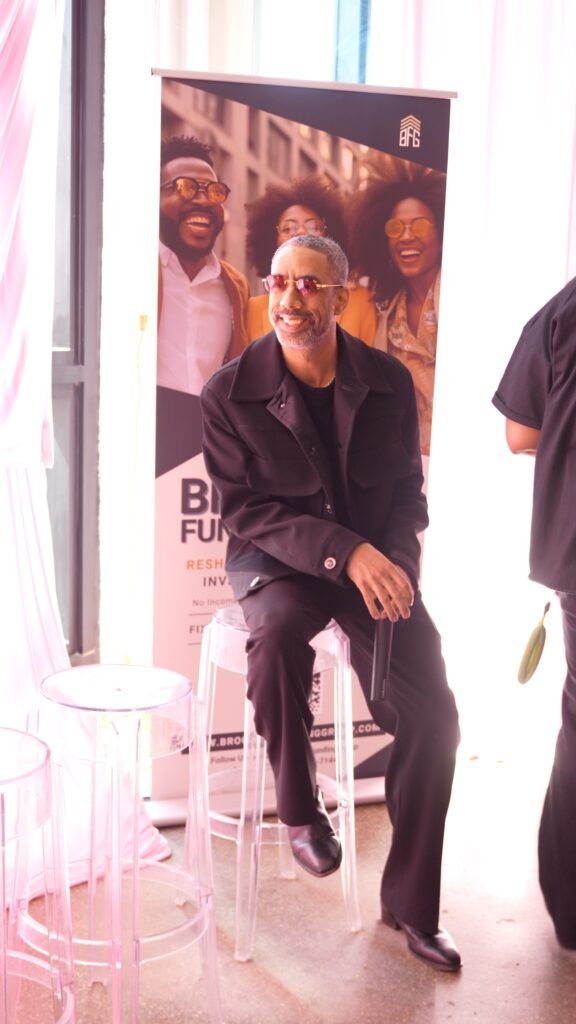
And for a keynote, Grammy nominated artist, entrepreneur, and CEO of SuperPhone, Ryan Leslie was brought into the FundHER Future lineup and soft launched Women of WealthPlan: a new initiative rooted in a philosophy he has been developing within his private investment community, The WealthPlan Club.
The thesis is that women, by virtue of their emotional intelligence and purpose-driven nature, tend to be better investors, traders, and money managers. It is not a novel observation as research has supported it for years, but Ryan is building educational infrastructure to support it.
To bring that conversation into the room, he was joined by three Women of WealthPlan from The WealthPlan Club for a fireside chat. These were three women already operating inside this investment philosophy, already seeing results, and speaking to what that experience looks like in practice.
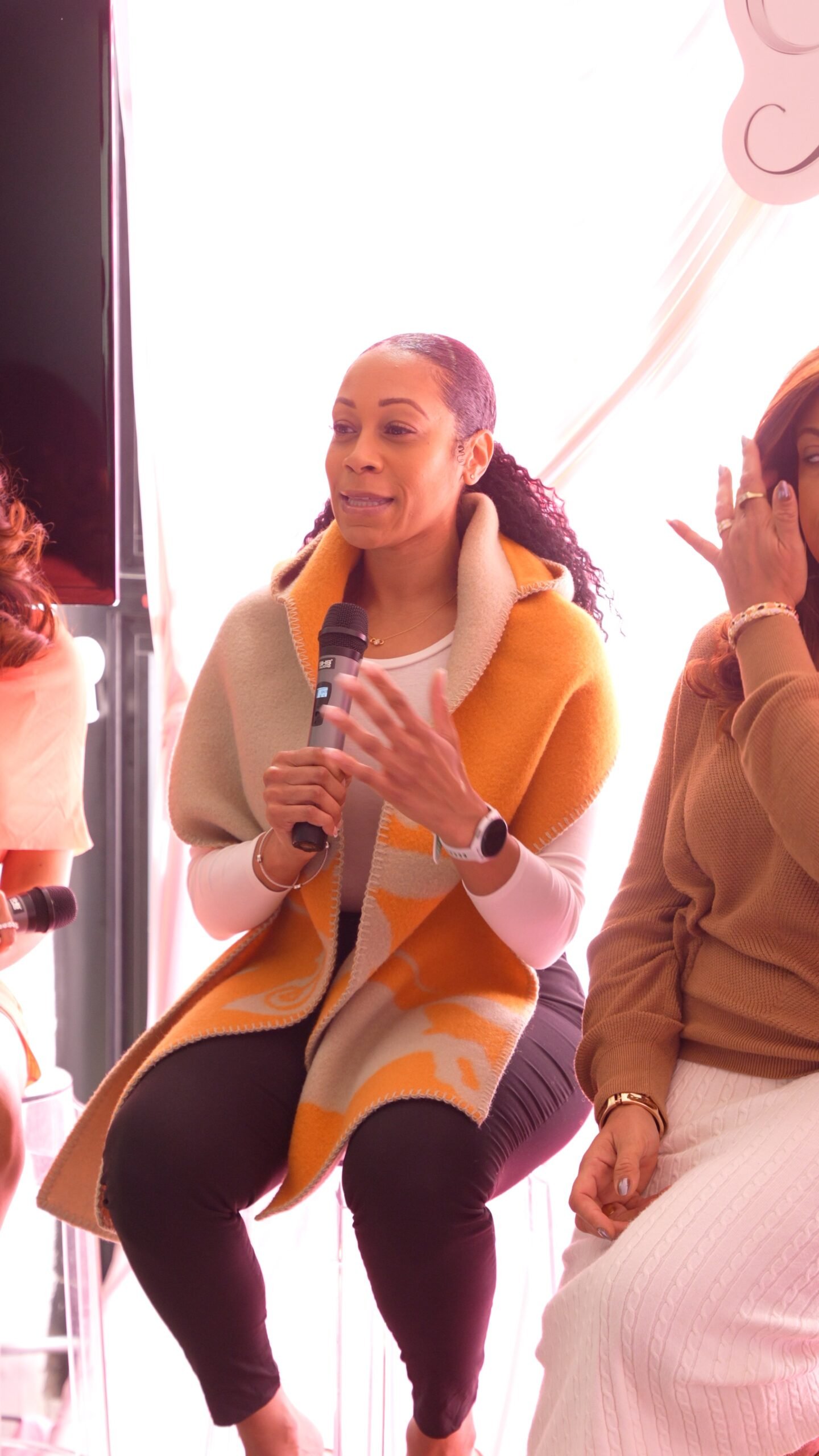
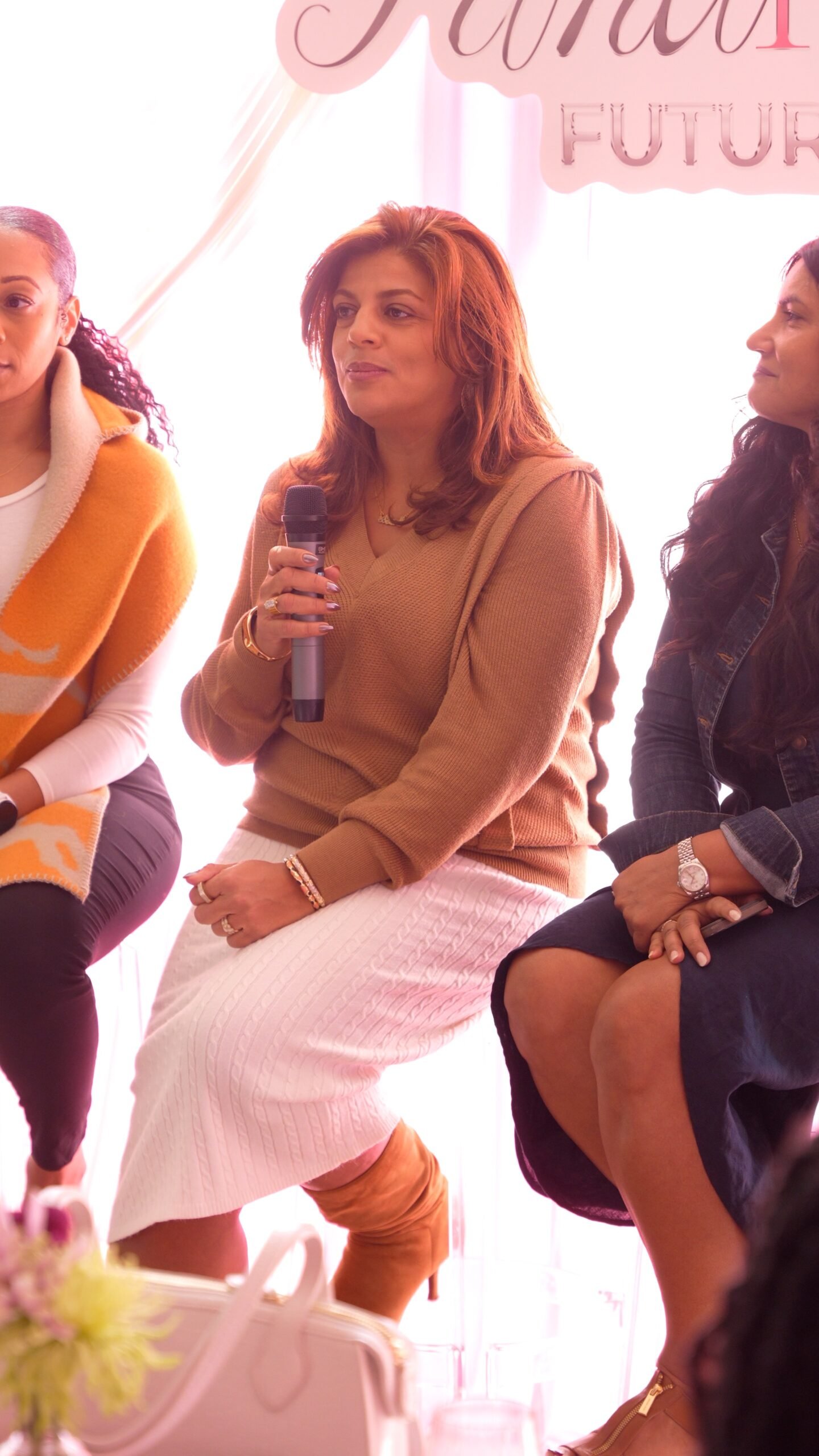
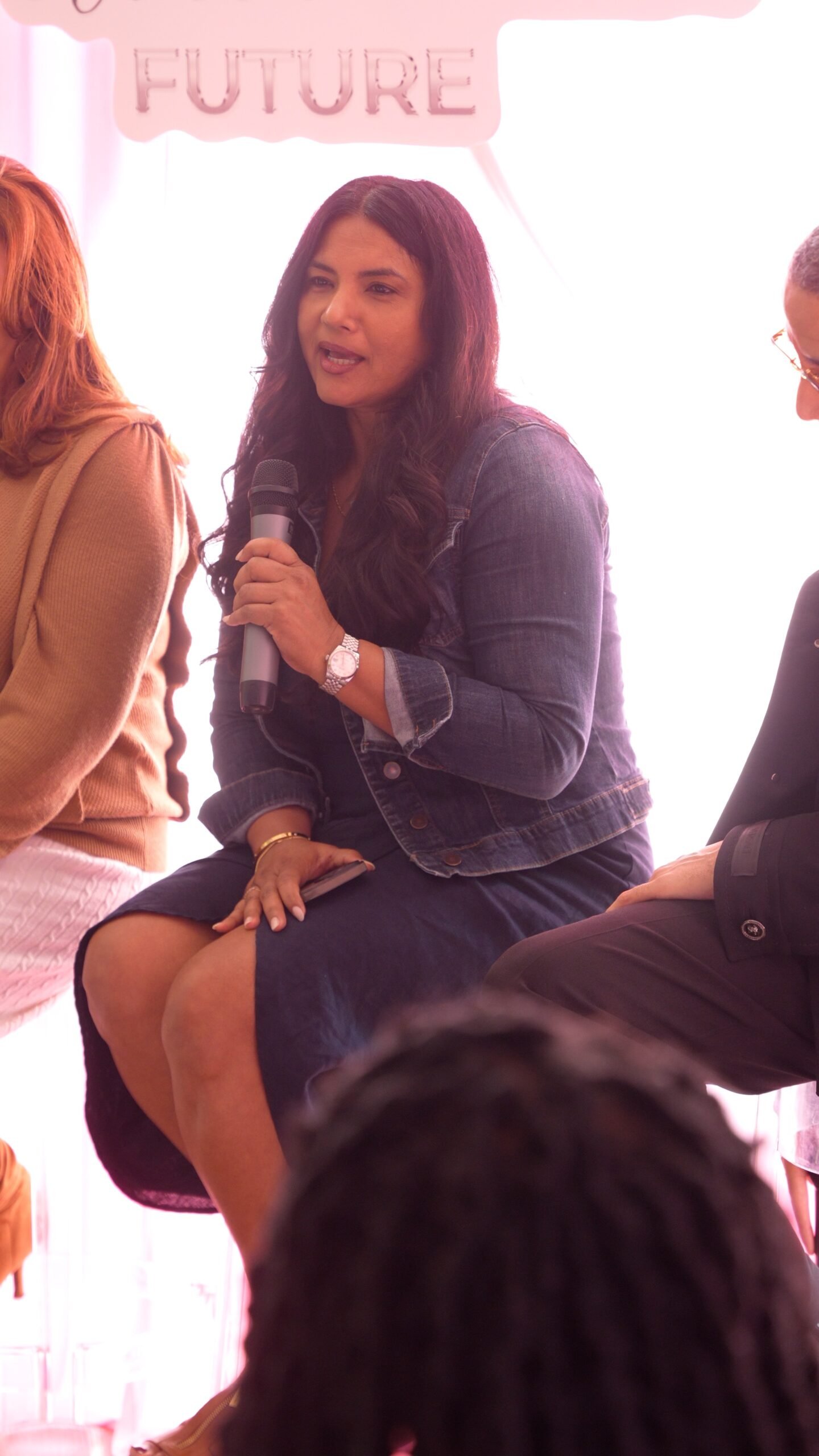
As a closing note to Women’s History Month, it’s hard to imagine a more fitting moment. Not a panel about what women deserve, but a live demonstration of what women are already doing.
When asked about the most underestimated barrier to closing the funding gap for Black women founders, Brittany does not hesitate. “The psychological toll. That’s the piece that doesn’t get talked about enough.” She elaborates with the kind of clarity that comes from years of proximity to the problem.
“Running a business as a woman is hard. Running one as a Black woman is an entirely different weight. The margin for error feels razor-thin. We have to get a lot of things right simultaneously, and we’re doing it without the same safety nets.”
Then there is the reality of how Black women are expected to fundraise. “We don’t get to fundraise on vision alone. We can’t walk into a room with a deck and an idea and walk out with a check. We have to go out and build first. Prove it, document it, sustain it, and then fight to be taken seriously.”
The cumulative effect of all of it, she says, is that by the time a founder gets around to the funding conversation, she is already exhausted. “We’re closing the gap between entrepreneurs and the people who actually hold the resources. In practice, it looks like putting founders in the same room as investors and resource partners not just to network, but to have real conversations that move the needle.”
And while FundHER Future was one event, for Brittany, it is part of a much longer arc.


“Creative Capital and FundHER Future are just the beginning. The larger intention is to change how capital is actually distributed to multicultural founders. Not just talk about the gap, but actively work to close it.” That is the gap that does not show up in the data, and the one Brittany is most committed to closing. “We’re not here to add to the noise,” she says, “we’re here to shift what’s actually happening.”
Photos courtesy of Project Beauty Expo.