The Next Wave of Productivity Isn’t Software, It’s Design
Productivity has a branding problem. tippy type is capitalizing on a growing demand for tools that merge visual identity with performance.
When it comes to working on a computer, for years, women with long nails have learned to quietly adapt. They flatten their fingers unnaturally across keyboards, accepting mistypes and time wasted. They adjust their bodies’ posture, and sometimes their confidence, all in the name of productivity. tippy type was created to challenge that assumption that beauty and efficiency don’t belong in the same space.
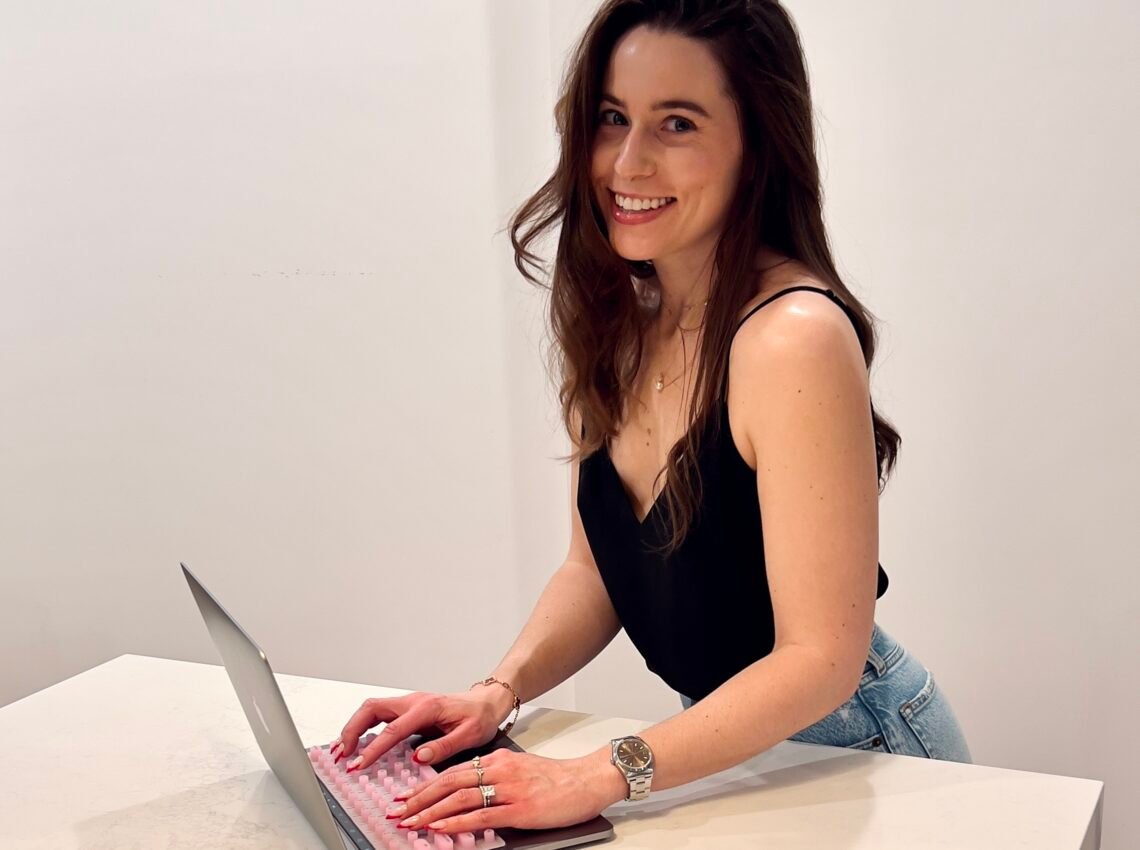
Crafted by inventor Sara Young Wang, tippy type is a raised-key keyboard cover designed specifically for people with long nails. A category that, until now, had been completely overlooked by mainstream product design. What started as a personal frustration quickly revealed itself to be a widespread, culturally significant gap in the market.
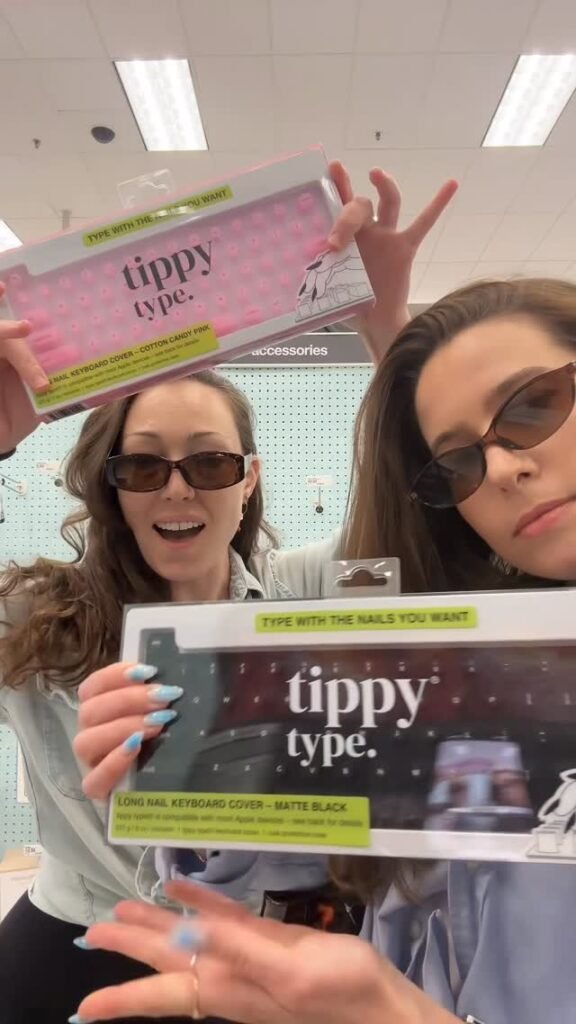
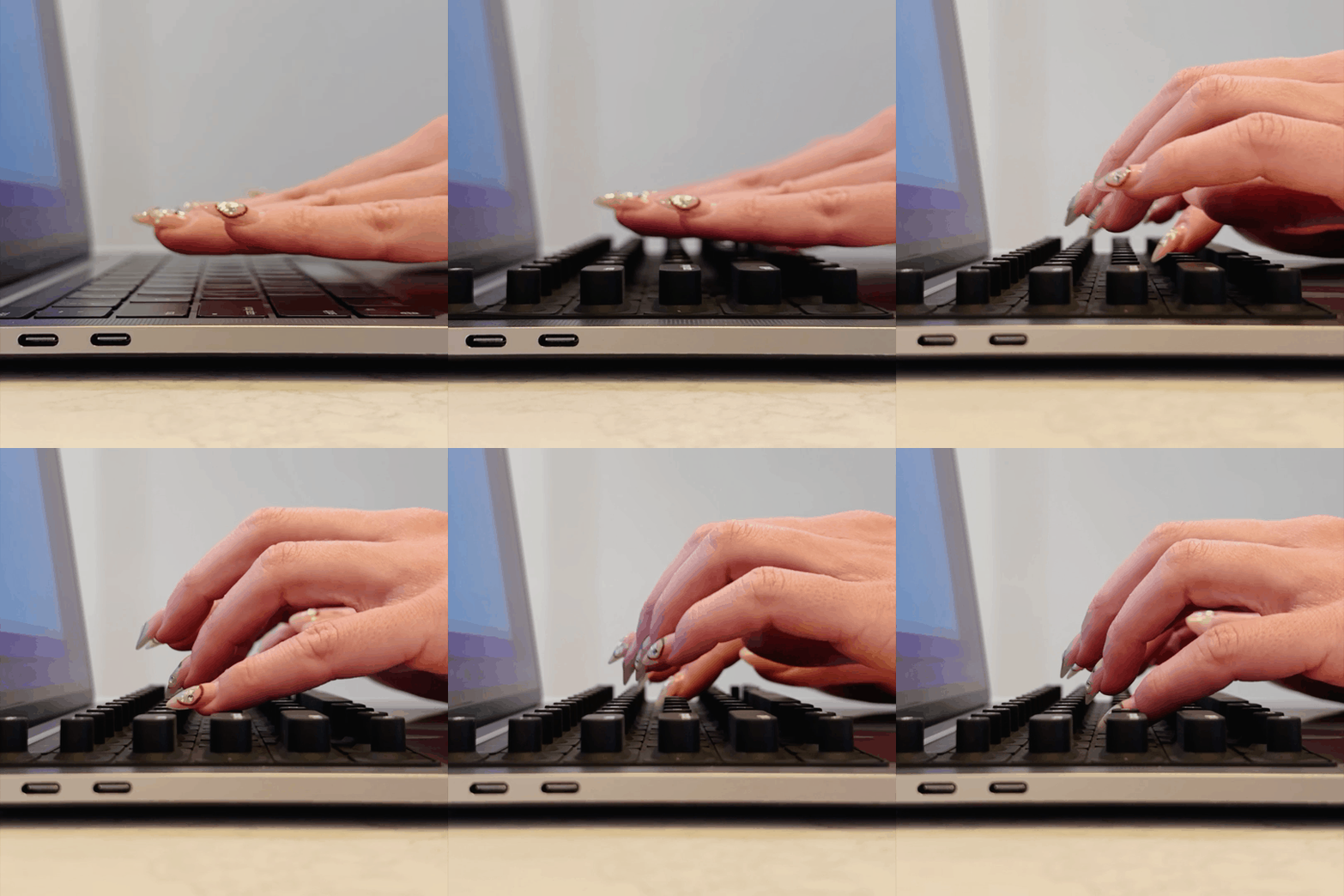
“tippy type was born out of pure frustration,” Sara shares. “I’ve always loved long nails – they’re part of how I express myself – but every time I sat down to work, I felt like I had to choose between looking like myself and being productive.”
That tension between self-expression and function became the brand’s foundation. Sara realized there were millions of women navigating this same compromise every day, yet no one had acknowledged the problem, let alone designed a solution for it.
“That disconnect was the ‘aha’ moment for me,” she says. “I remember thinking, ‘This is such an obvious problem – why doesn’t a solution for this exist already?!’”
Before launching tippy type, Sara had already developed a keen awareness of the friction women are expected to silently work around. Her approach to entrepreneurship has been rooted in observation, empathy, and a refusal to accept inconvenience as the norm.
“I’m someone who balances ambition, aesthetics, and function,” she explains, “and I didn’t see many products that respected all three.”
That philosophy guided every product design decision.
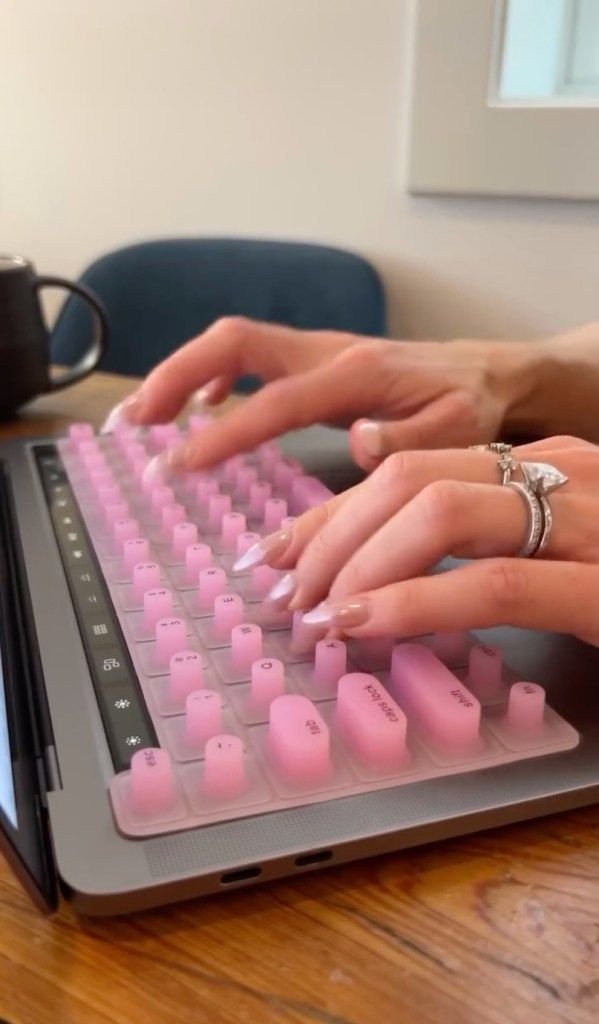
Rather than reinventing the wheel, or the keyboard, Sara focused on refining the typing experience through a simple innovation: a silicone keyboard cover with raised, cushioned keys that allow users to type comfortably with their fingertips instead of their nails.
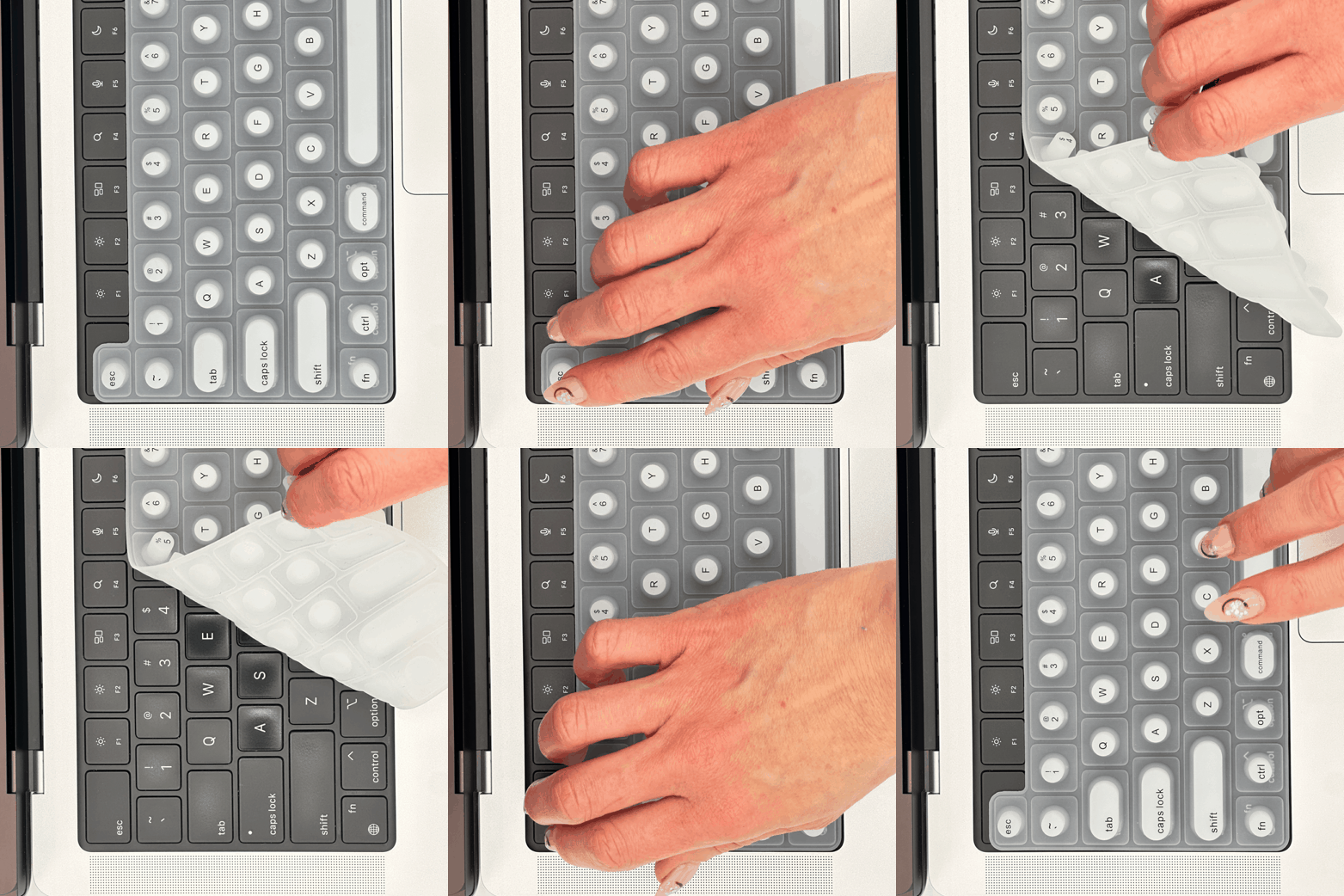
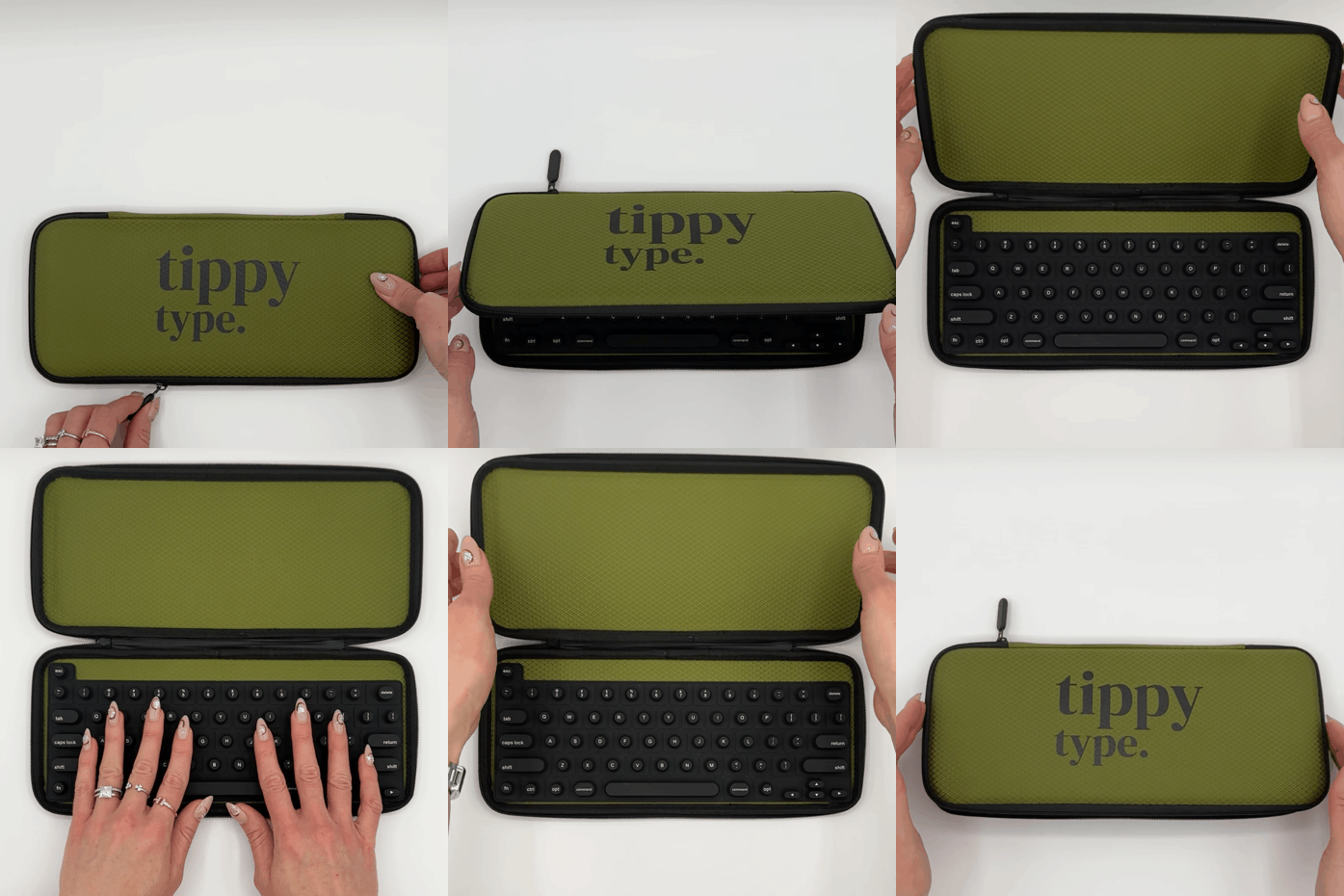
The development process took months of experimentation, testing different materials, key heights, and softness levels, all with the goal of making the typing experience feel as natural and intuitive as possible.
“I want the experience of typing with a tippy type to be as close to the comfort of typing without long nails. I wanted something simple to use, nothing complicated.”
Early testing was very hands-on. Friends, family, and real long-nail wearers used the prototypes during their everyday workdays. The results were immediate. “People typed faster, made fewer errors, and felt relief almost instantly,” she recalls.
One of the most surprising things about tippy type isn’t just how well it works, it’s how quickly users realize how much they had been compromising before.
“I think because we’ve been struggling without a solution to this problem for a long time, many people don’t even realize how much they’re compromising to try to type with long nails,” Sara explains. “We might hear someone say they type just fine using stick straight fingers or their nail tips (not realizing the damage they may be causing to their joints or nails!). But, then when they try the tippy type they’re like ‘OMG this is sooooo much better I’m never going back, I don’t know what I was thinking!’”
That response speaks to something deeper than pure convenience. Nail culture has long been dismissed as impractical or unprofessional, despite its deep roots in identity and self-expression. tippy type doesn’t just accommodate that culture, it legitimizes it.
By designing for long nails instead of asking women to minimize them, the brand reframes beauty as something worthy of thoughtful engineering.


So in which category does tippy type fit? According to Sara, it’s not about choosing a single category, it’s about creating a new one.
“tippy type is committed to bringing category creating invention to where beauty and aesthetic meets technology and productivity,” she says. “We’re making it possible to bring self expression and an appreciation for beauty into the workplace.”
In that sense, Sara says that tippy type is both a beauty tool and a productivity tool. A rare blend that reflects how modern women actually live and work.
As conversations around inclusive and innovative design continue to grow, tippy type stands as a example that innovation doesn’t always mean building something more complex. Sometimes, it means finally paying attention to the people who were never considered in the first place.
And for the millions of women who refuse to choose between looking like themselves and showing up fully at work, tippy type isn’t just useful, it’s validating.