Ruka Hair is Launching in Sephora
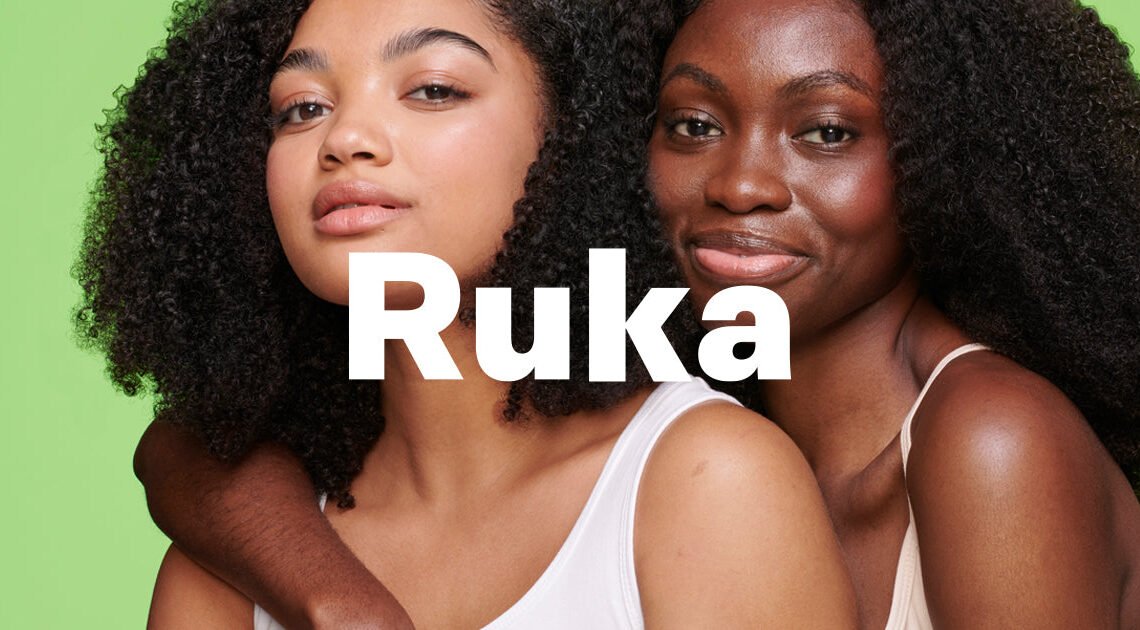
For years, Black women have fueled the global hair industry, yet the products designed for them have rarely received the same level of innovation, investment, or visibility as the rest of the beauty market.
This is not new news. But, Ruka Hair is making big strides to change that.
The London-based beauty biotech company recently announced that its collagen-based braiding hair will launch in Sephora, making it the first braiding hair brand ever carried by the retailer. It’s a historic milestone, but for founders Tendai Moyo and Ugo Agbai, this moment is the result of years spent proving that textured hair deserves shelf space, innovation, and investment.
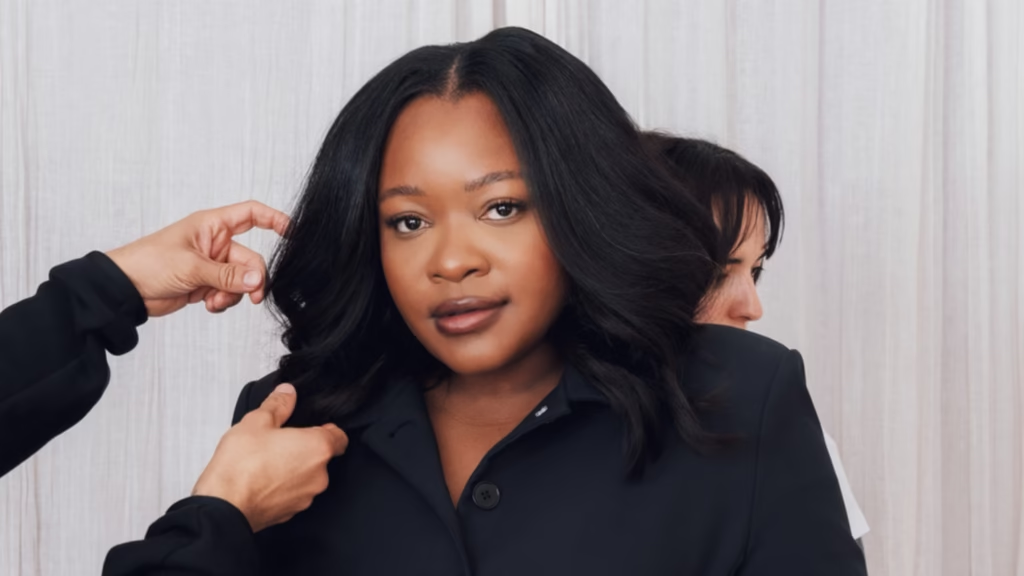
Like many successful founders, Tendai Moyo didn’t start with a product, she started with a frustration.
Black women have been expected to choose between human hair products with questionable sourcing practices or synthetic fibers made from petroleum-based plastics that often prioritize affordability over health, comfort, or sustainability.
Despite the size of the textured hair market, meaningful innovation has remained scarce.
Rather than accepting the industry’s standards, Tendai and co-founder Ugo Agbai asked a different question: What if hair extensions were engineered with the same level of research and development as skincare or cosmetics?
That question became Ruka Hair.
From the beginning, the company’s mission has been larger than selling extensions. It set out to redesign the textured hair industry by creating products that are safer, more ethical, more transparent, and intentionally built for Black women.
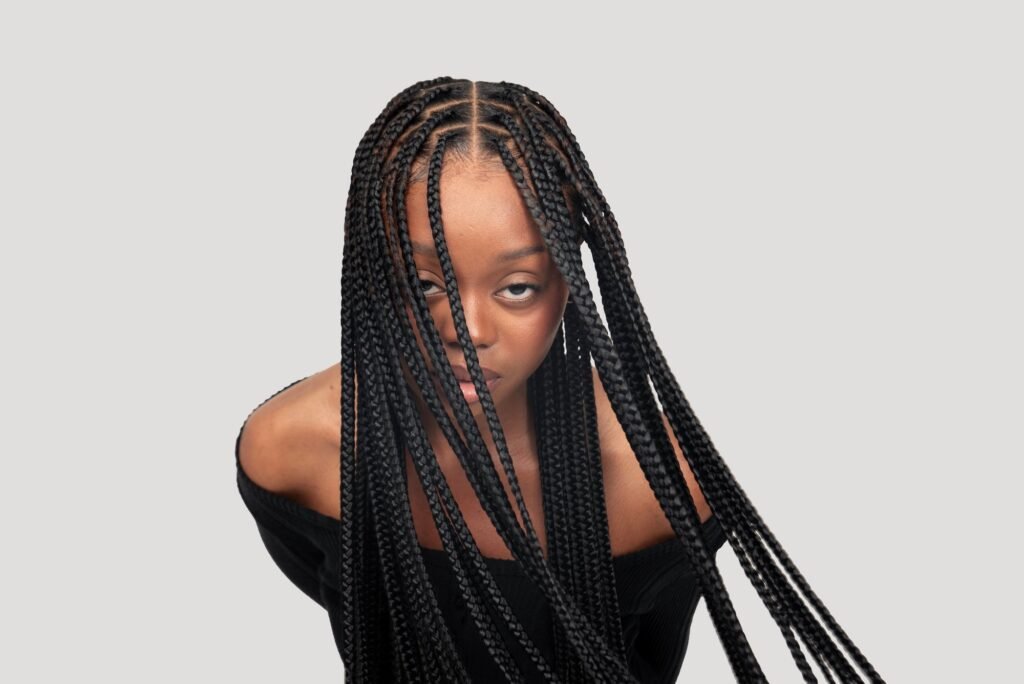
While many consumers know Ruka for its premium wigs and extensions, the company increasingly describes itself as a beauty biotech business.
Its biggest breakthrough is Synths², a patent-pending collagen-based fiber developed as an alternative to traditional synthetic braiding hair. Unlike conventional plastic fibers, Synths² was engineered to better mimic the movement and feel of natural textured hair while being biodegradable, hypoallergenic, and heat resistant. The company’s long-term vision extends beyond creating another hair product. It is building new material technology for the entire category.
Ruka also developed TextureMatch™, helping customers find extensions designed specifically for curls, coils, and kinks instead of forcing textured hair into one universal standard.
Innovation at Ruka doesn’t stop with the products.
The company has committed to greater transparency throughout its supply chain, ethically sourcing human hair from partners in India and Bangladesh while publicly discussing sustainability, responsible manufacturing, and what it calls the “Black Woman Tax”—the higher costs many women pay simply to care for textured hair. Rather than treating ethics as a marketing campaign, Ruka has embedded transparency into its business model.
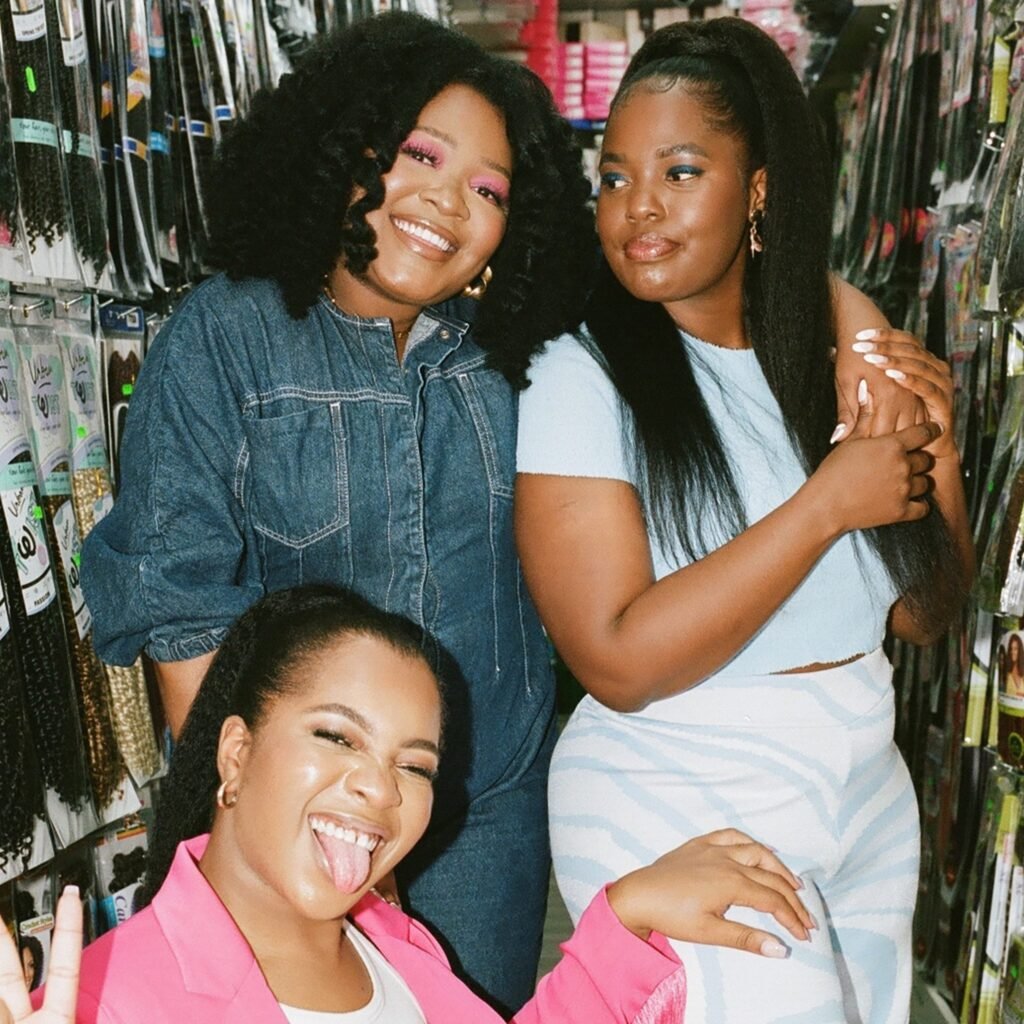
Building a company at the intersection of beauty, biotechnology, and material science isn’t easy to explain to investors. Yet Ruka has continued attracting capital.
Earlier this year, the company raised an additional $4.5 million in funding, bringing its total capital raised to approximately $10 million. The round was led by Henkel Ventures and Freedom Trail Capital with participation from Backed VC, Big Issue Invest, Olympic gold medalist Dina Asher-Smith, and several other strategic investors.
According to Tendai, fundraising has often required educating investors on both the scale of the textured hair market and why hair extensions deserve the same level of technological innovation as any other beauty category, and that education paid off.
Today, investors increasingly view Ruka not as a traditional beauty brand but as a company building proprietary technology capable of reshaping an entire industry.
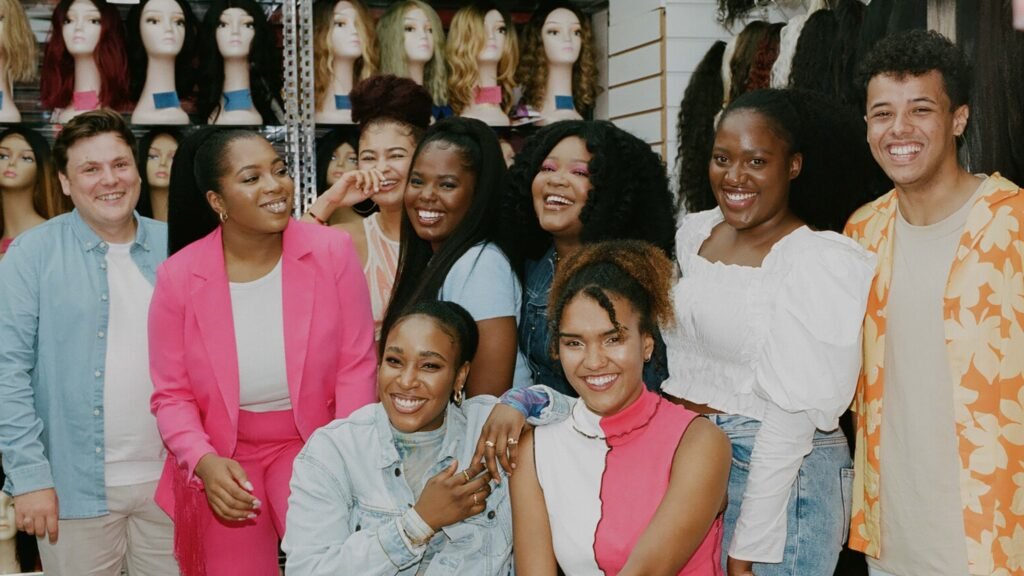
One of Ruka’s greatest strengths isn’t found in its products.
It’s found in its team and its storytelling.
Rather than relying on trend cycles or influencer marketing alone, the company has built an editorial-first brand that teaches consumers about textured hair, sourcing, sustainability, and culture. Every campaign feels intentional. Every product launch reinforces the company’s larger mission.
It’s a reminder that today’s strongest brands don’t simply sell products, they create movements.
Now, the Sephora launch is about more than just retail distribution.
For years, hair extensions have largely existed outside of mainstream beauty retail, despite being essential products for millions of Black women. Ruka’s arrival changes that conversation.
For the first time, customers will be able to experience premium braiding hair inside one of the world’s most influential beauty retailers, placing textured hair innovation alongside skincare, cosmetics, and luxury beauty brands that have long defined the shopping experience.
It’s validation not only for Ruka, but for an entire category that has historically been overlooked.
“When retailers told us we could only launch online, I said absolutely not,” Tendai shared in a social media post. “Our customers need to experience hair in person, with a premium experience.”

Ruka Hair reminds us that category-defining companies rarely begin by chasing trends.
They begin by questioning assumptions.
Tendai Moyo and Ugo Agbai didn’t build a business around hair extensions. They built infrastructure for an industry that had stopped innovating. They invested in research where others accepted routine. They educated investors where others saw limitations. They created technology where others expected another product launch.
The Sephora announcement may be making headlines today, but it’s the years of disciplined innovation, thoughtful branding, and unwavering commitment to solving a real problem that made this moment possible.