After 20 years, Lil Mama’s Lip Gloss is Actually Poppin’
In 2007, a seventeen year old from Brooklyn stepped in front of a microphone and gave an entire generation its beauty anthem. “Lip Gloss” didn’t just chart, it defined the era. It gave young girls language for confidence and made lip gloss aspirational. And it made Niatia Jessica Kirkland, known to the world as Lil Mama, an absolute superstar.
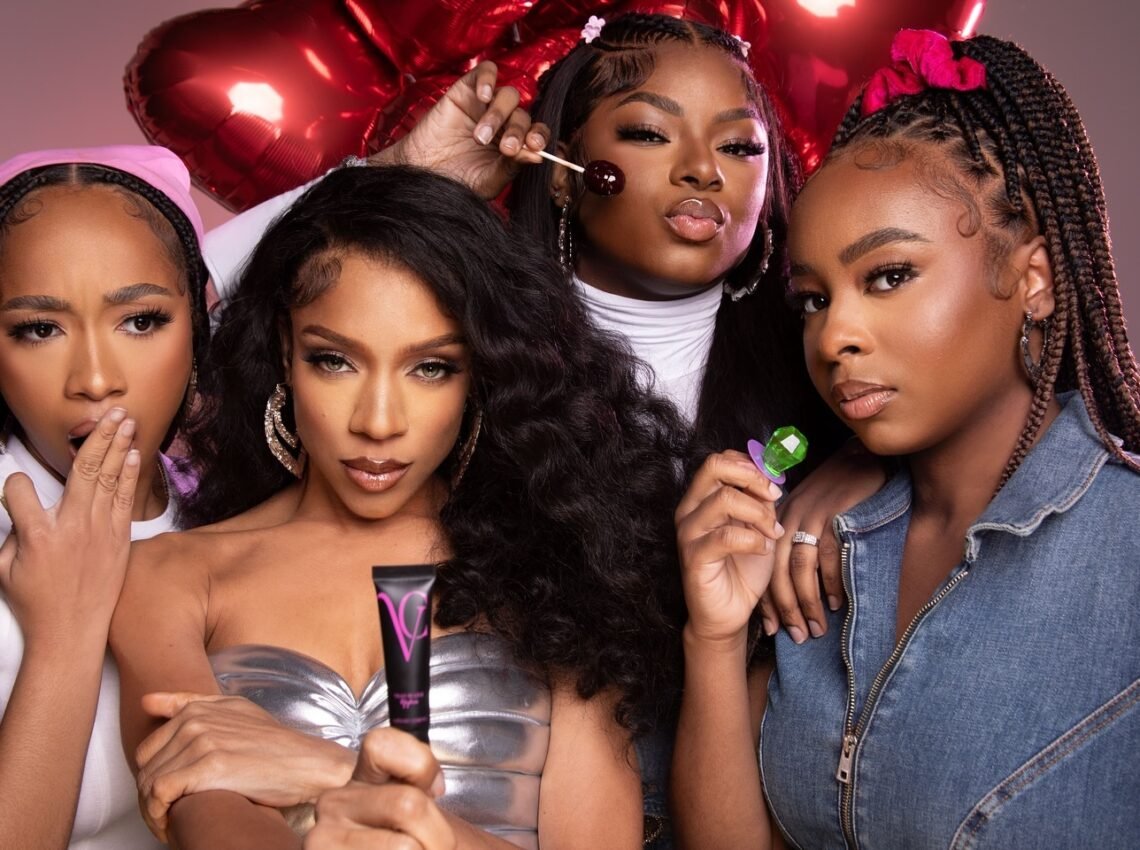
Now, nearly two decades later, Lil Mama isn’t waiting for the industry to hand her anything. She’s building it herself. Vaniteaset Cosmetics, co-founded with her sisters Jasmyn, Jessica, and La’Nya, launched its debut collection at the end of 2025, and it carries the full weight of everything she’s earned and everything she was denied. The brand is steeped in early 2000s nostalgia, anchored in family, and named with intention. This isn’t a celebrity vanity play. This is reclamation.
Let’s be honest about what “Lip Gloss” actually did. The song peaked at number 10 on the Billboard Hot 100. It earned Lil Mama Teen Choice Award nominations and a Monster Single of the Year nod at the MTV VMAs. It was named one of Rolling Stone’s best songs of 2007. It popularized a beauty product, and in the years that followed, lip gloss became a cornerstone of the beauty industry’s resurgence. Brands built campaigns around the cultural shorthand that song created.
Lil Mama wasn’t in any of those executive meetings.
She’s said as much herself. In her own words about the Vaniteaset launch, she stated, “Lip Gloss has contributed to the success of many cosmetic brands worldwide. Now it’s my turn. I’ve entered that chat. This is redemption for me.”
Redemption is the right word, not because she did anything wrong, but because the industry has a long and well-documented history of extracting cultural currency from Black women and reinvesting it elsewhere. Lil Mama’s “Lip Gloss” made beauty cool for a generation of girls who looked like her, but the profit didn’t follow her home.
Here’s where the story gets harder to tell, yet more necessary.
After “Lip Gloss,” Lil Mama was on the right trajectory. Her debut album VYP (Voice of the Young People) dropped in 2008. She was eighteen. She’d already weathered her mother’s transition from breast cancer months before the album released. Lil Mama dedicated her music video for “Shawty Get Loose” to her. She was grieving publicly, and performing anyway.
Then came September 2009. At the MTV VMAs, moved by the emotion of watching Jay-Z and Alicia Keys perform “Empire State of Mind,” a song about her city, her home, the place that made her, Lil Mama walked onto that stage. She knew she had overstepped. She apologized immediately and repeatedly. By all accounts, Jay-Z forgave her. But for whatever reason, the music industry did not.
An anonymous MTV employee told Complex she became “persona non grata” with the network’s music department almost overnight. She confirmed she was effectively blackballed and that people were afraid to work with her for fear of offending Jay-Z or Alicia Keys. Her second album, already in progress, never came out. Jive Records was absorbed into RCA and she wasn’t signed. Her music career plateaued before it had a chance to mature.
What followed was a decade of reinvention through persistence. Seven seasons as a judge on America’s Best Dance Crew, a critically praised portrayal of Lisa “Left Eye” Lopes in CrazySexyCool: The TLC Story, reality TV, more acting, advocacy. She never disappeared. But she was never fully welcomed back either.
The lesson the industry tried to teach her: your value is conditional. She didn’t accept the lesson.
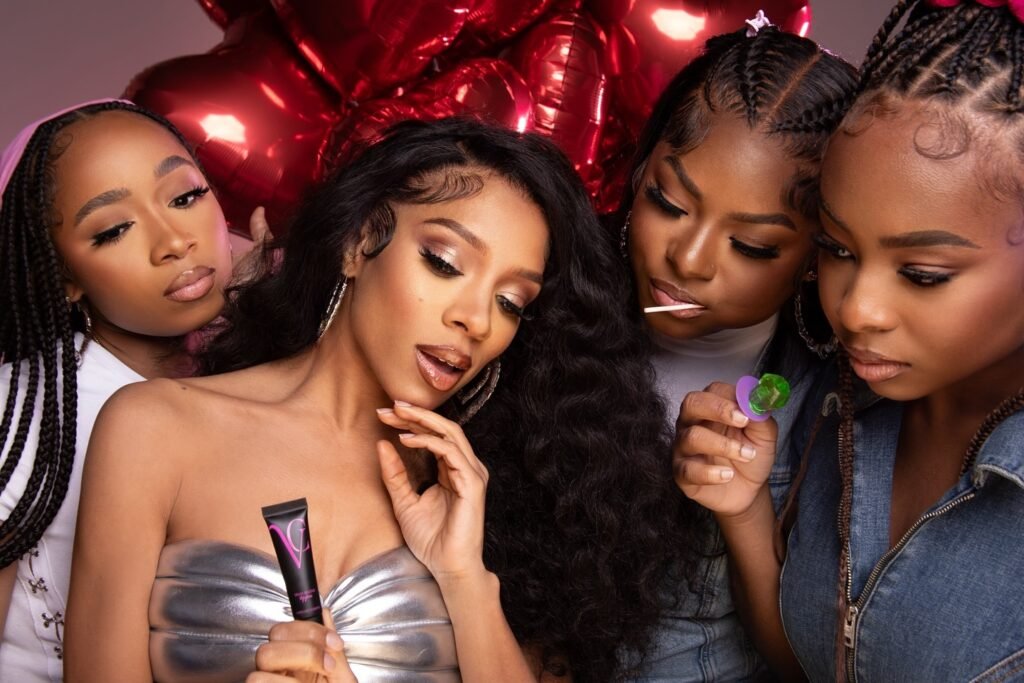
Now, Vaniteaset Cosmetics is a data point in a larger, more important conversation about who gets to monetize hip hop culture, which largely powers American culture and corporations.
Black women have been originators of trends that generate billions in revenue for brands, labels, and platforms built by and for other people. The industry extracts the energy, strips the credit, and moves on. Meanwhile, the women who built those moments are left navigating blacklists, grief, and an endless loop of proving they deserve what they feel like they deserve.
Lil Mama’s path to this launch wasn’t a straight line. It was seventeen years of refusal to be written off. It was acting when music doors closed. It was raising siblings after losing her mother, performing through pain, and never fully letting the market dictate her worth.
What Vaniteaset represents, for Lil Mama, for her sisters, and for anyone who watched her get pushed out and kept watching anyway, is proof that validation comes from within and no one can take anything away from you that they didn’t give to you.
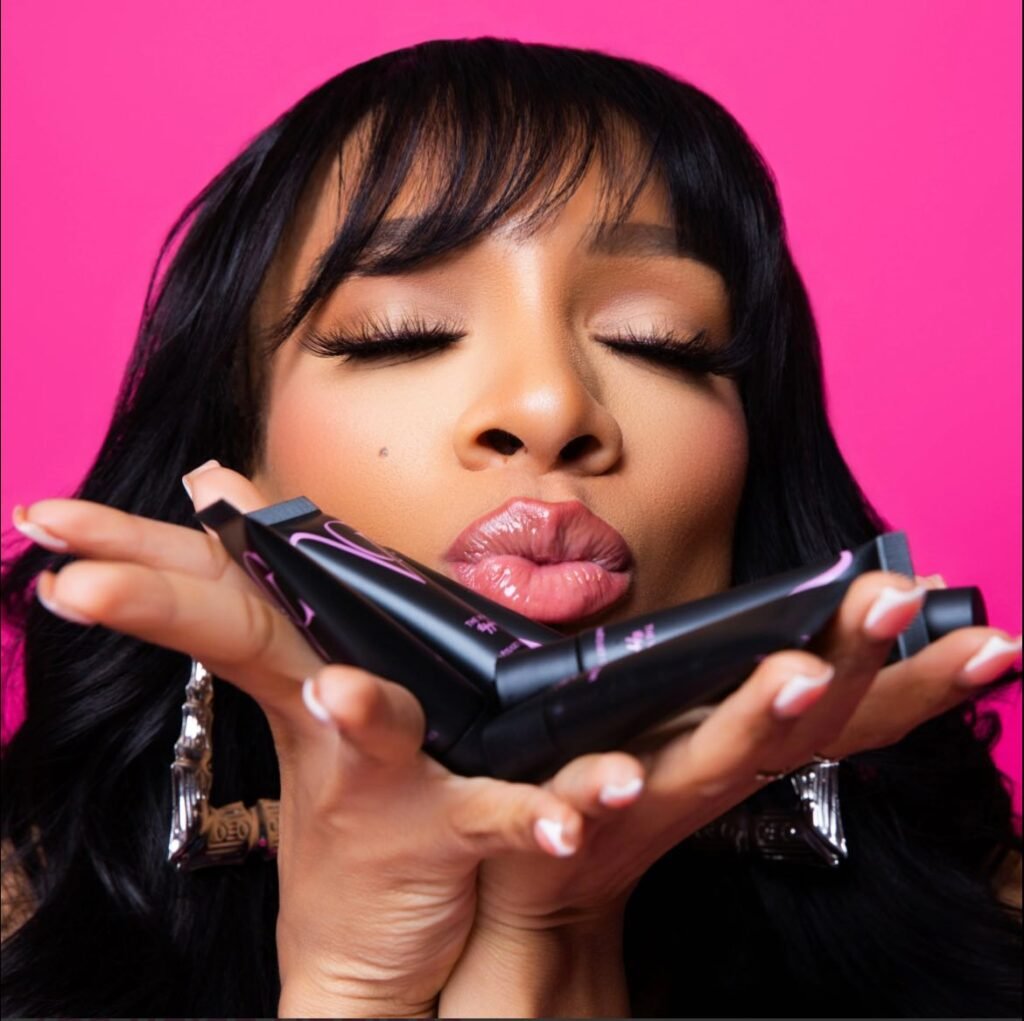
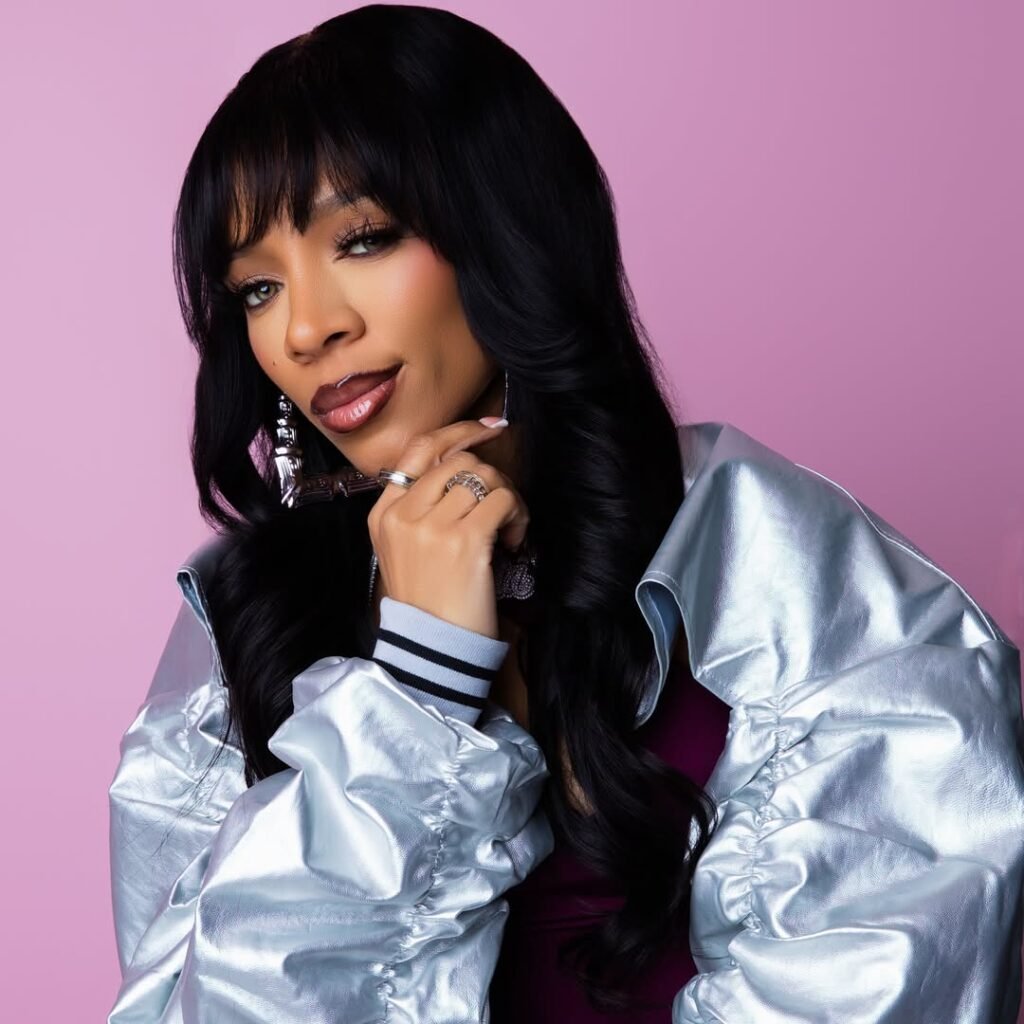
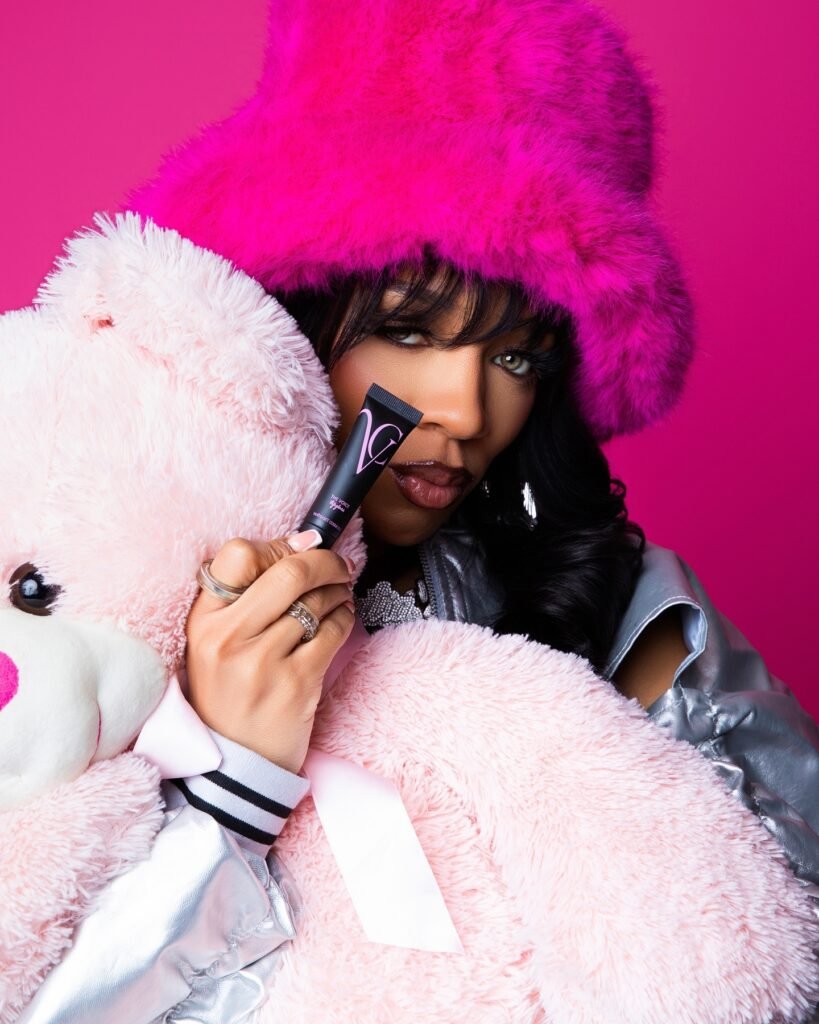
The “It’s Poppin” debut collection is built from four shades, each named after a song or theme from Voice of the Young People: Truly in Love, Strike a Pose, The Voice, and College Girl.
The brand is a family business. That detail matters. In an industry that tried to isolate Lil Mama, where speaking up, showing emotion, or simply being present at the wrong moment could end a career, she built her comeback around the people who were there all along. Her sisters. Her name. Her song.
The early 2000s aesthetic isn’t just nostalgia marketing. It’s a direct line back to the era when Lil Mama first showed the world what she was made of, before the industry had the chance to tell her otherwise. The brand is saying that girl was right, that era mattered, and we’re honoring it on our own terms.
Vaniteaset Cosmetics’ “It’s Poppin” debut collection is available now at VaniteasetCosmetics.com.