Hanifa is Pressing Pause & We’re…Not Surprised, Right?
“I have so much to say in support of @anifam / it’s hard to explain the desire to build for a community who is the exact same community who will also tear you down for a few mistakes after decade+ of delivering service to them.” — Morgan DeBaun, via Threads
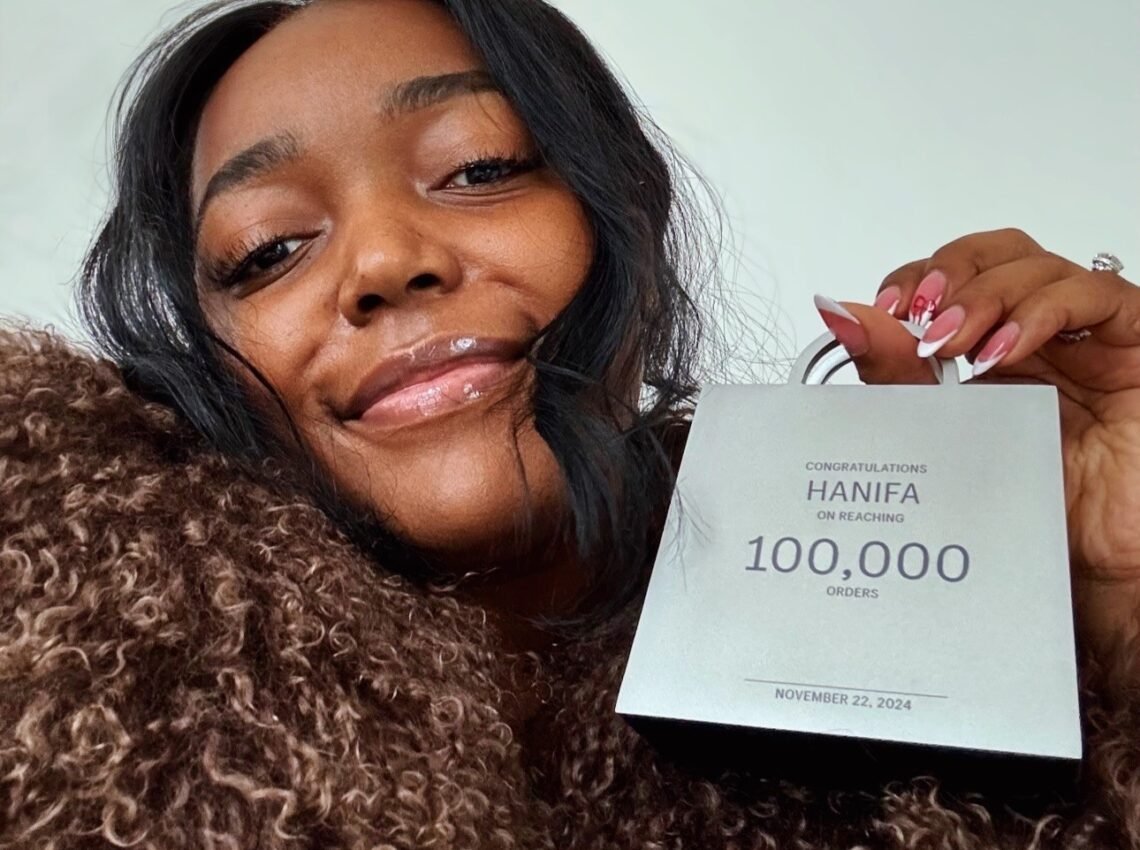
Anifa Mvuemba built Hanifa into a rare luxury fashion brand “for women without limits” created by a Black woman, for Black women, rooted in cultural pride and inclusive design. So when she sent a quiet email to customers this week announcing that the brand is pressing pause with no restocking and no timeline for what comes next, the internet had something to say about it.
“The last season stretched us in ways I’m still processing,” Mvuemba wrote in the email. “There’s been a lot of learning. A lot of responsibility. A lot of growth happening in real time.”
What she didn’t say in that email, but has since shared more openly, is just how much that season cost her personally.
The trouble started with Hanifa’s annual “Hanifa Friday” Black Friday sale back in November. The 45% off event drew a massive wave of pre-orders, and what followed were delays. Some customers waited until as late as February to receive purchases made during the holiday sale and frustration and criticism spilled onto social media.
Mvuemba posted a video acknowledging the delays and taking accountability. Her team even pulled roughly 30% of orders back to headquarters to fulfill them in-house. The orders were eventually completed, and refunds were offered to anyone who no longer wanted their items.
But by then, the emotional damage was done. And she had just given birth to her second child in December, one month before the backlash peaked.
In a candid letter shared online, Mvuemba revealed the full weight of that period: “There were nights when I was sobbing in one room and then wiping my face to go be the best mom I could be for my children in the next room. I just had a baby. I didn’t fully process any of it. I went straight from postpartum into crisis management.”
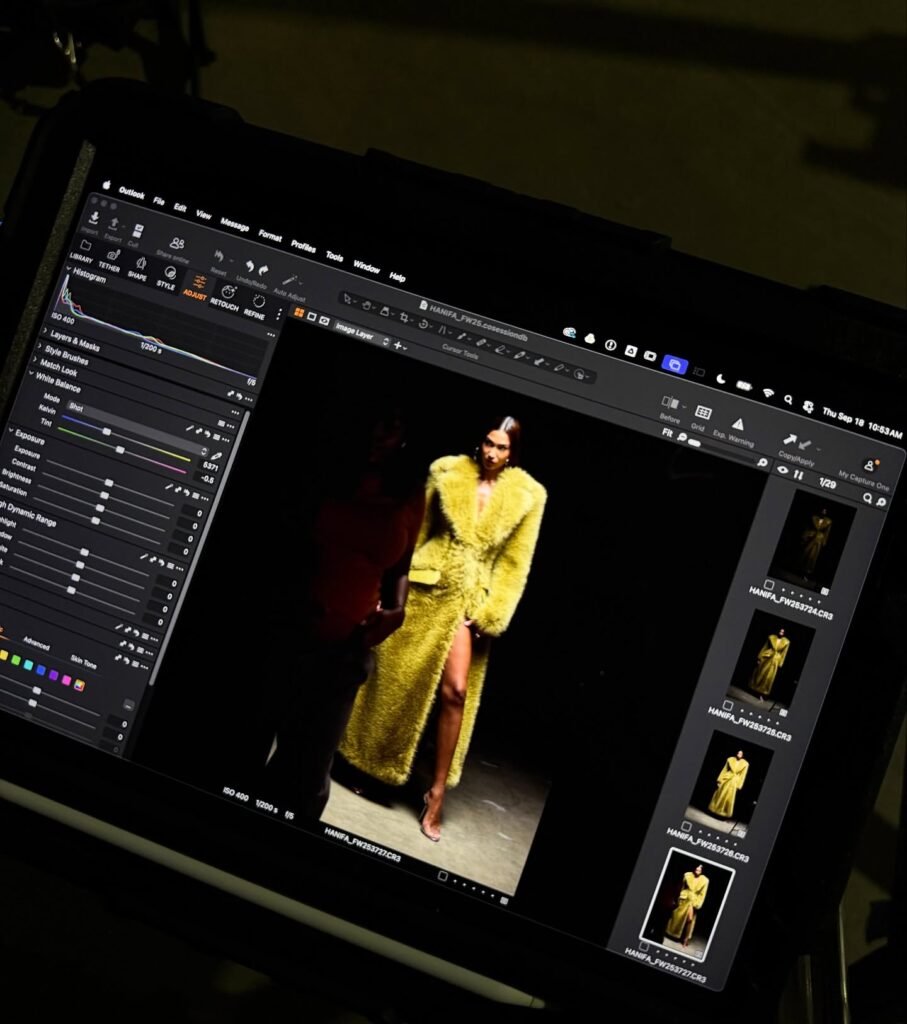
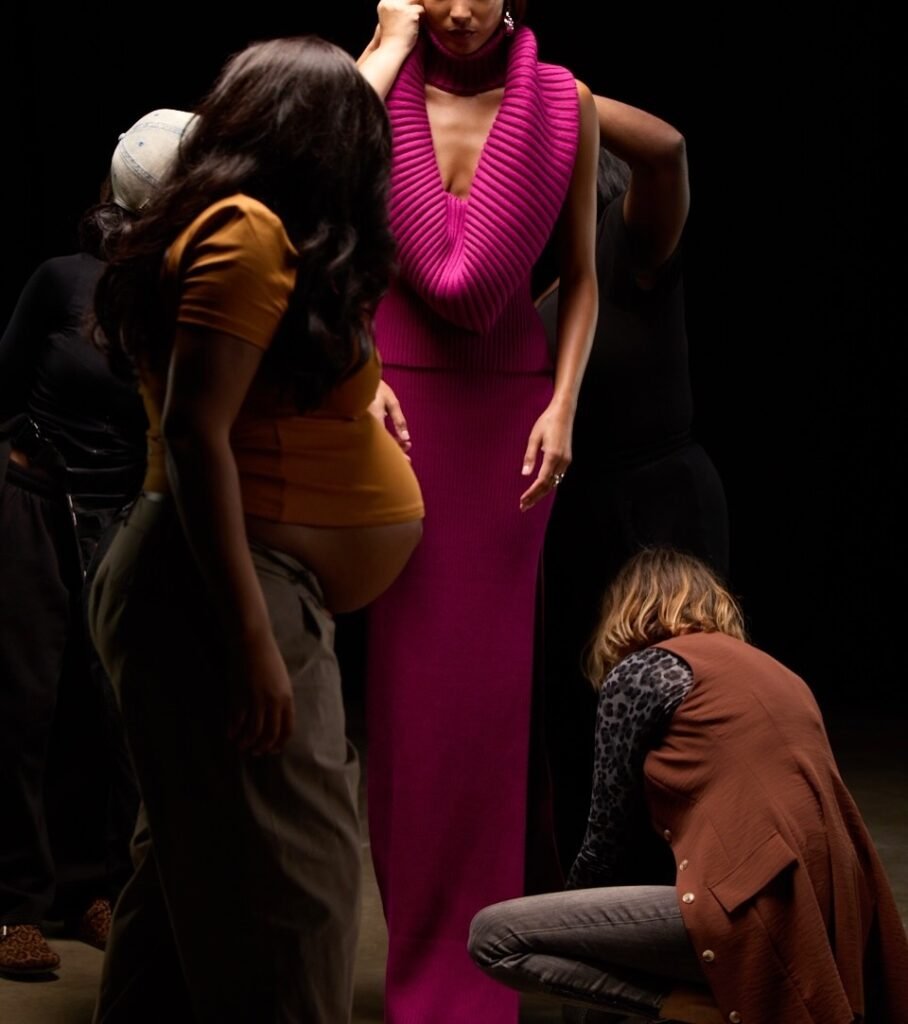
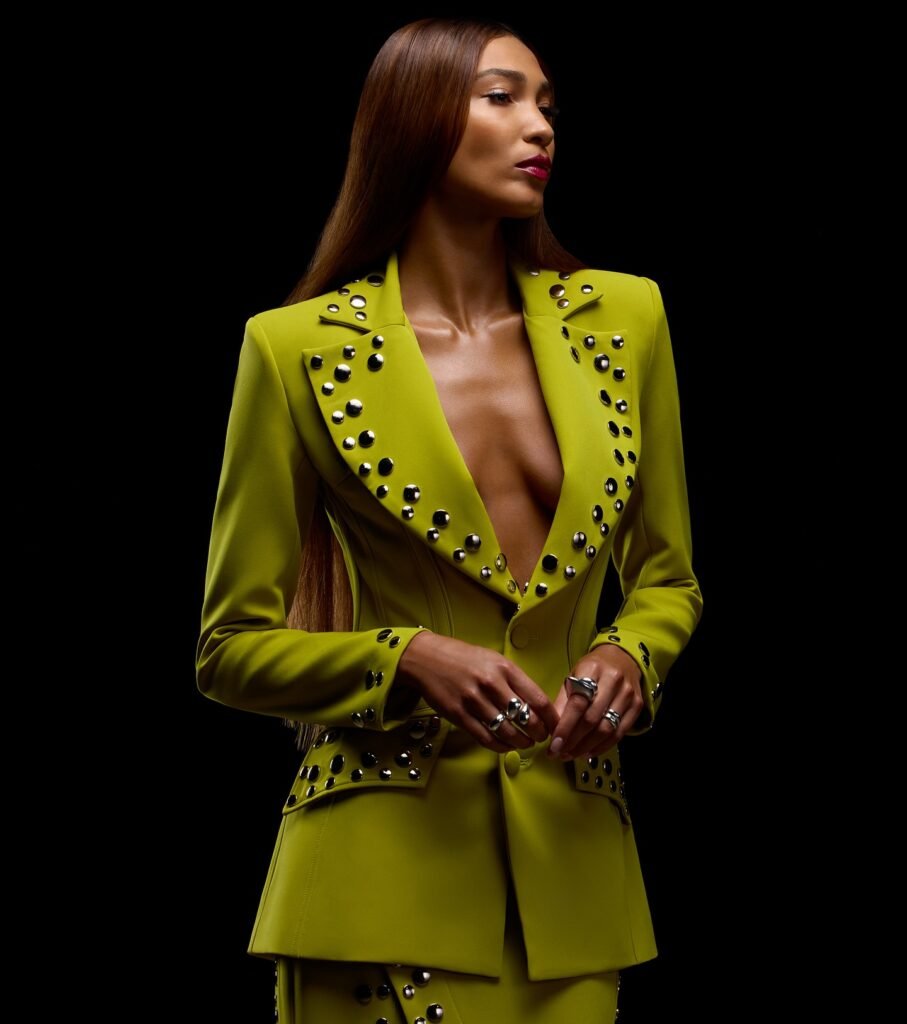
While some of the criticism directed at Hanifa was rooted in legitimate customer frustration, the pile-on that followed sparked a wider debate about how Black-owned brands, especially those led by women, are excessively scrutinized.
Creator and entrepreneur Wilgloryy addressed this head-on in a video that resonated widely. Her argument: the pre-order model isn’t a character flaw, it’s a structural reality. “The reason why she’s doing pre-orders is because they don’t have the capital up front,” she said. “If Black women-owned fashion businesses were actually able to get the funding that they needed, Anifa would have had enough inventory up front.”
She went on to say, “Everyone is upset at Anifa, but you really should be upset at a system that’s f***ing all of us over.”
Wilgloryy was clear that she wasn’t dismissing the critique altogether, but pushed back on the intensity of the pile-on, drawing a comparison to the grief that followed the closure of Amicole. “Y’all were on this app crying, snot up the nose, tears, drowning when Amicole closed. And she said that she looked at y’all and she was like, why ain’t y’all buy the product?”
The throughline of her message was that we cannot afford to lose these brands, and the way we engage with them matters.
A separate thread circulating on social media offered another layer of analysis, that Hanifa’s deep Black Friday discount inadvertently shifted its customer base, attracting consumers who may not have been familiar with the brand’s pre-order model or its positioning as mid-market luxury. The result was a mismatch in expectations that the brand’s systems weren’t yet built to absorb at scale.
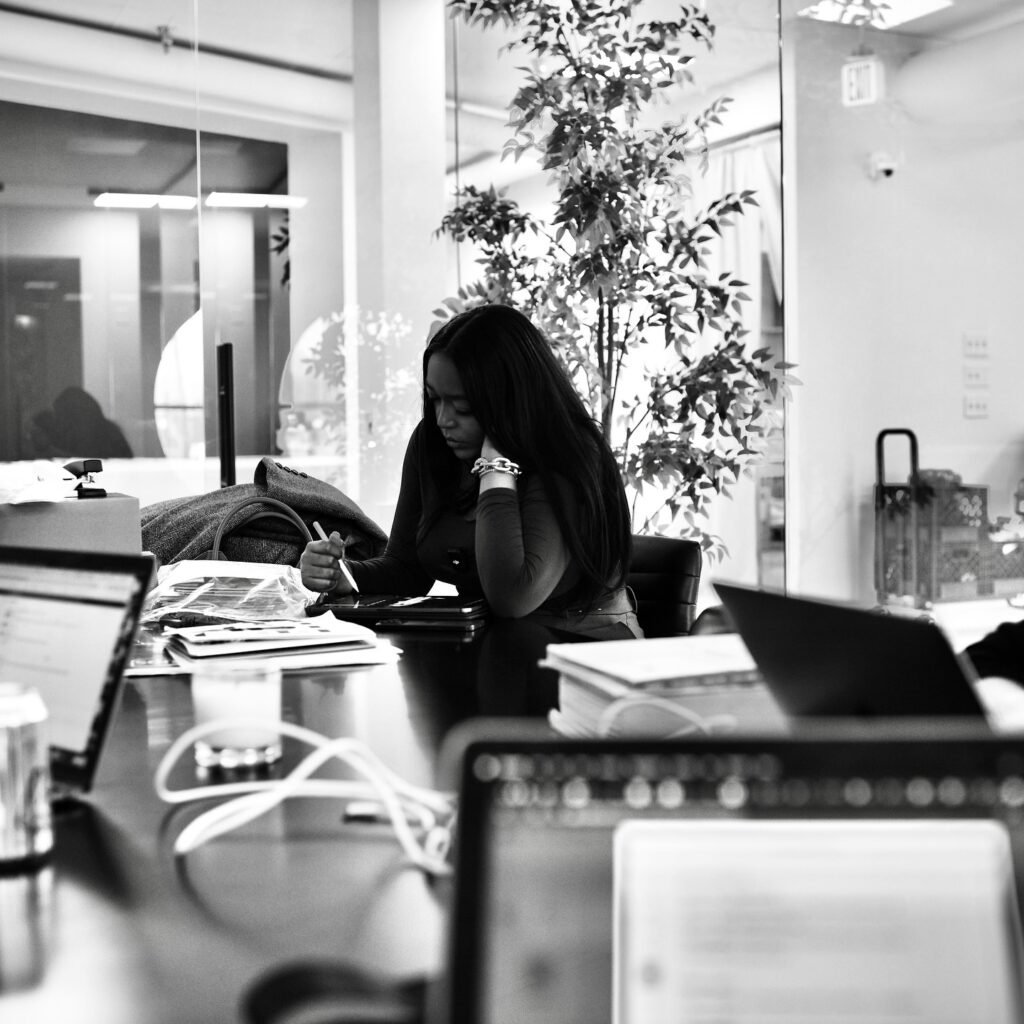
“I don’t want to rush just to prove resilience,” she shared. “I don’t want to pretend everything is fine just to keep momentum.”
This is the kind of statement that sounds simple but is actually fairly radical in the context of entrepreneurship where founders, especially Black women founders, are often expected to endure publicly, perform strength, and keep building regardless of what it costs them privately.
Mvuemba has been building Hanifa since 2011. The brand has been a cultural touchstone known for its inclusive sizing, bold color palettes, and innovative knitwear. It went viral in 2020 for a groundbreaking 3D digital runway show. It has dressed women like Savannah James for the Met Gala. And now its founder is giving herself permission to not have it all figured out.
“I don’t know exactly what the future of Hanifa looks like at this very moment,” she wrote. “And for the first time in 14 years, I’m okay with saying that out loud.”