Coming of Age Day 2026 in Japan

Each year in Japan, a unique national holiday paints the streets with color and elegance. Taking place on January 12, 2026, the country celebrated Coming of Age Day, known locally as Seijin no Hi (成人の日), a profound cultural moment that marks the transition from youth to adulthood and stands as one of the most cherished rites of passage in contemporary Japanese society.
Coming of Age Day is a national holiday observed on the second Monday of January each year. It honors and congratulates young people who have reached adulthood between April of the previous year and April of the current one.
For decades, the milestone age tied to Seijin no Hi has traditionally been 20 years old, a number rooted in Japanese history as the age at which one enters full social and legal adulthood. While Japan lowered the official age of adulthood to 18 in 2022, the Coming of Age ceremonies still largely celebrate 20 year old’s, maintaining continuity with long-standing cultural customs and communal expectations.
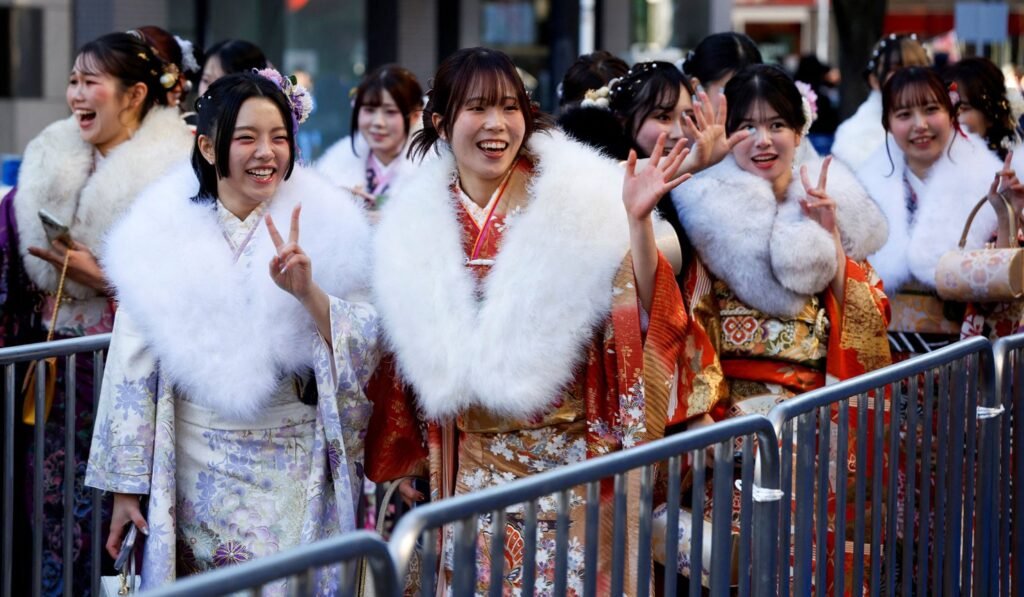
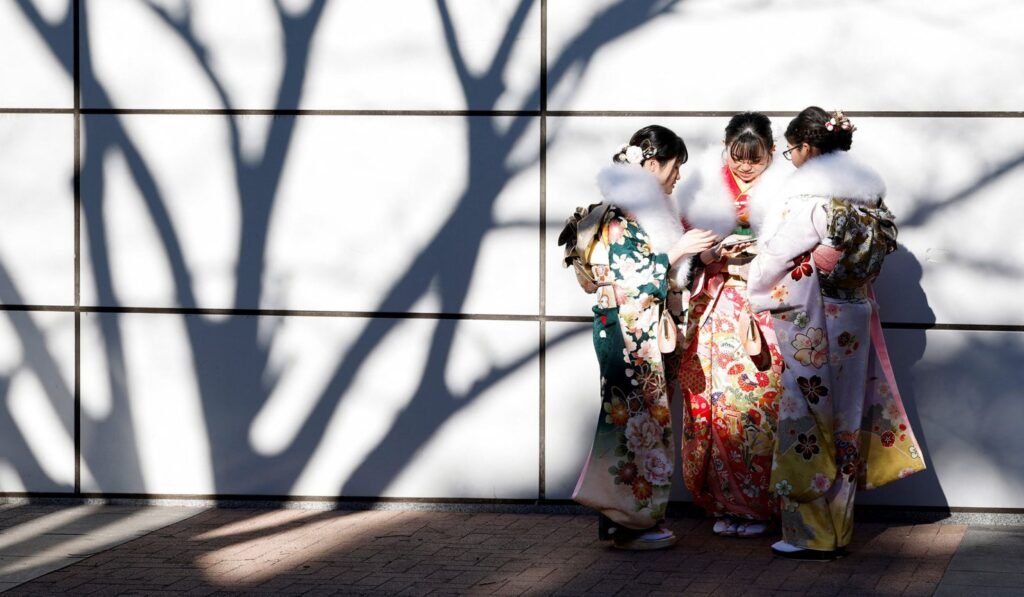
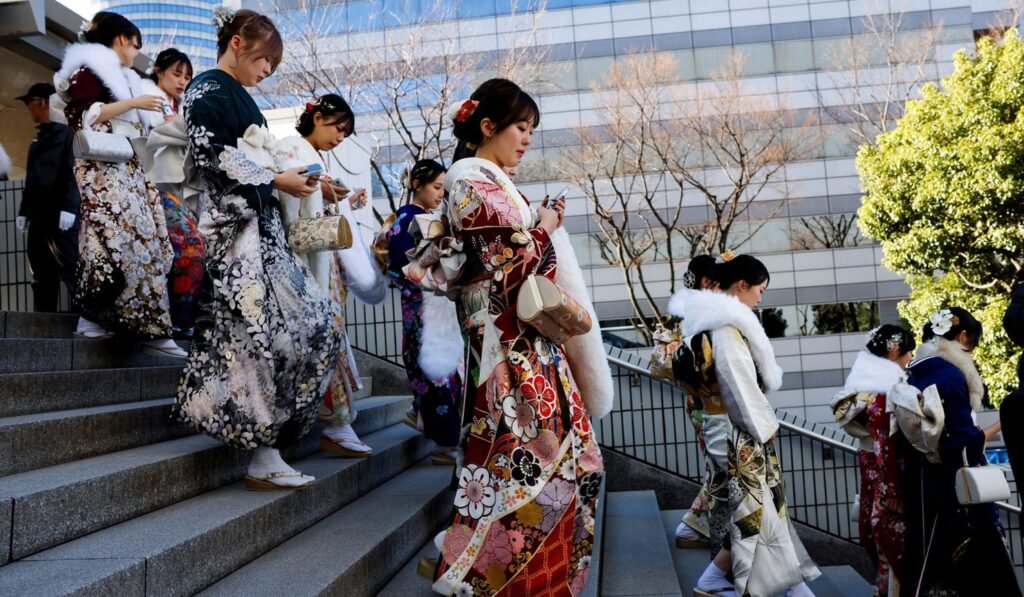
The roots of Coming of Age Day go back centuries, evolving from ancient rites of passage such as genpuku and mogi—ceremonies where young men and women respectively assumed adult roles in society. Over time, the customs transformed into a modern national holiday after World War II, when local communities began honoring young adults collectively as a way to rebuild hope and unity. The holiday was officially recognized in 1948 and later shifted to a Monday in January to create a long weekend.
Many young women wear furisode kimonos that are vibrant in color and symbolic of youth, beauty, and unmarried status. Women often arrive with elaborate hair and accessories, turning city streets into a moving gallery of textile art.
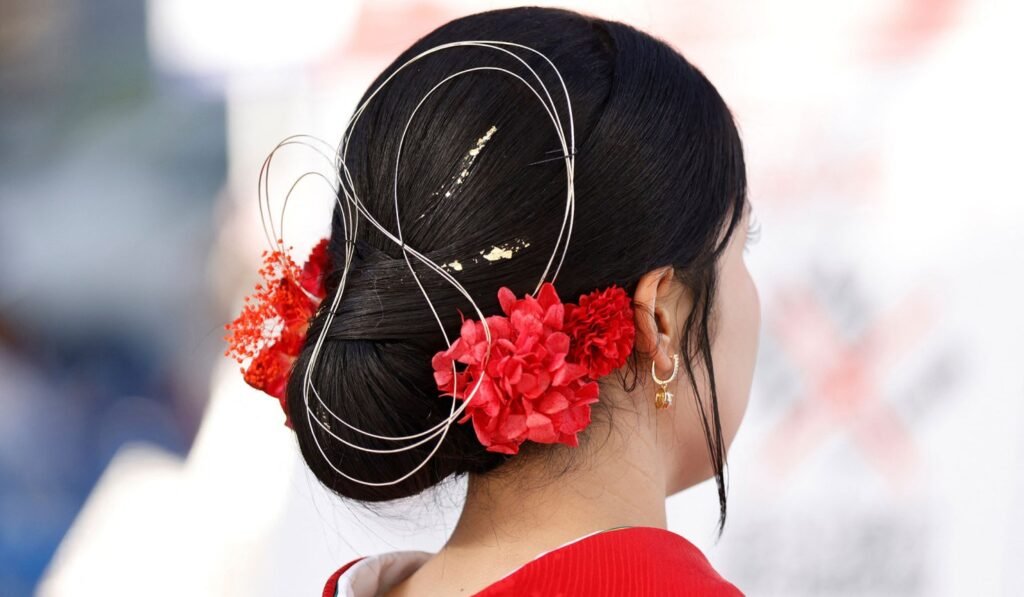
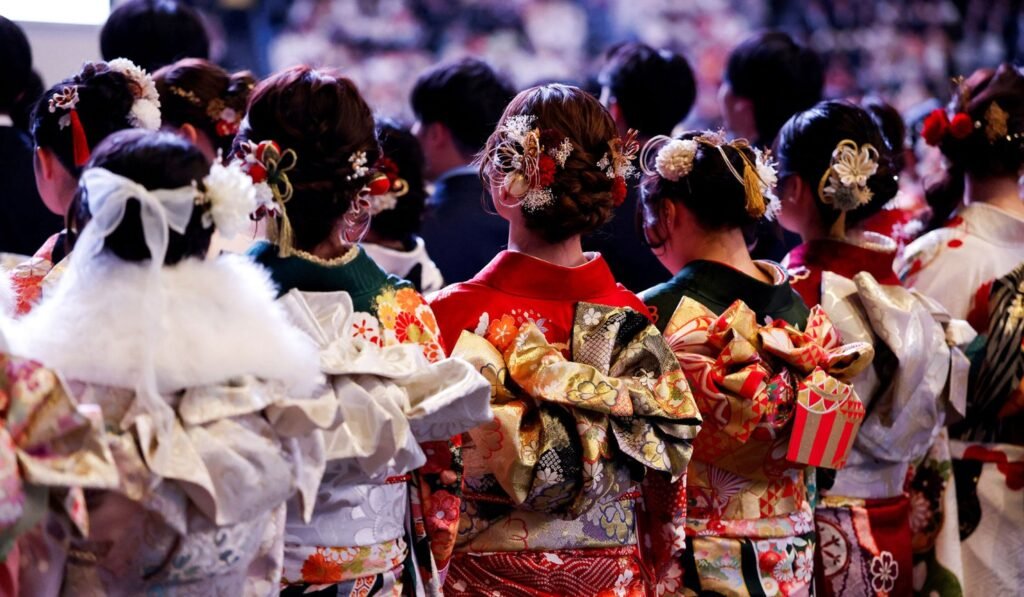
For many participants, this may be the only time in their lives they wear such formal attire, making it a treasured visual memory and a source of family pride.
Across Japan, municipal governments host Seijin-shiki ceremonies in community spaces. Local leaders give speeches encouraging the new adults to embrace their responsibilities, contribute to society, and strive toward their aspirations. Participants often receive commemorative gifts to mark the occasion.
After the official event, it’s common for young adults to visit Shinto shrines or temples to pray for blessings, success, and well being as they step into this next chapter of life.
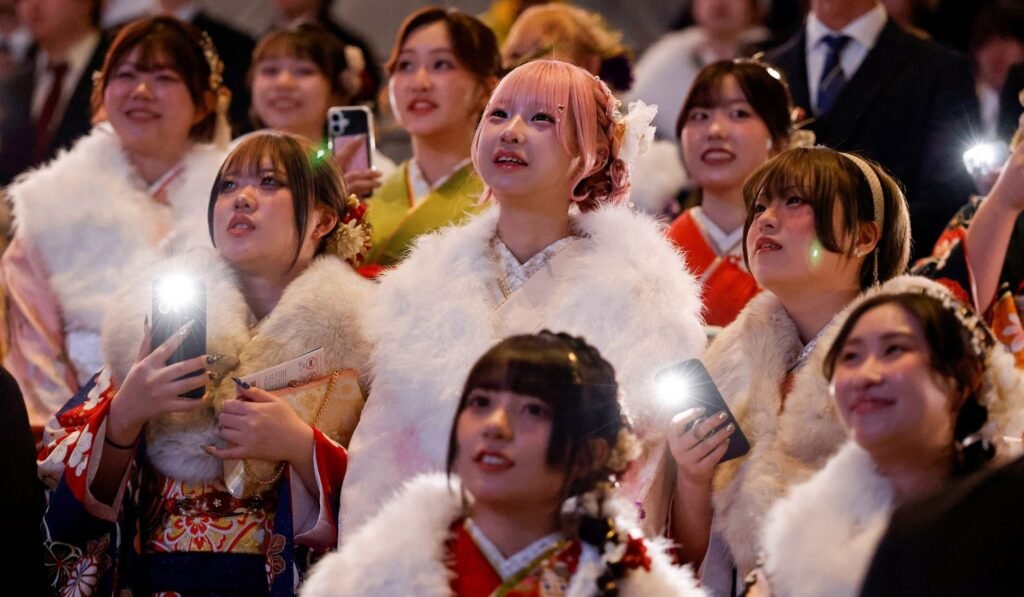
Coming of Age Day is a symbolic bridge between generations, one that honors personal growth, cultural continuity, and communal affirmation. For the young adults honored on this day, it represents both new freedoms and social responsibilities: everything from voting and signing contracts independently to contributing meaningfully to community life.
For many Japanese families, friends, and communities, this day captures the essence of coming into one’s own, blending tradition with contemporary identity in a way that feels both timeless and deeply personal.