Bèbèdí is a Wearable Startup Rooted in Centuries of Women’s Body Wisdom
Tosin Oyegoke built Bèbèdí from a personal reckoning with her own body, and now she’s building the wearable the entire women’s wellness industry missed.
Tosin Oyegoke didn’t set out to disrupt wearable technology.
Living with PCOS, she noticed something that no doctor had flagged. Her waist beads, the ones she wore continuously, the way women across West Africa and the diaspora have worn them for centuries, were shifting on her body. The changes were subtle, but they were the first sign before a formal diagnosis.
“Your body isn’t random,” she says. “Fluctuation is intelligence.” That instinct of trusting the body before trusting a diagnosis became the founding question behind Bèbèdí.
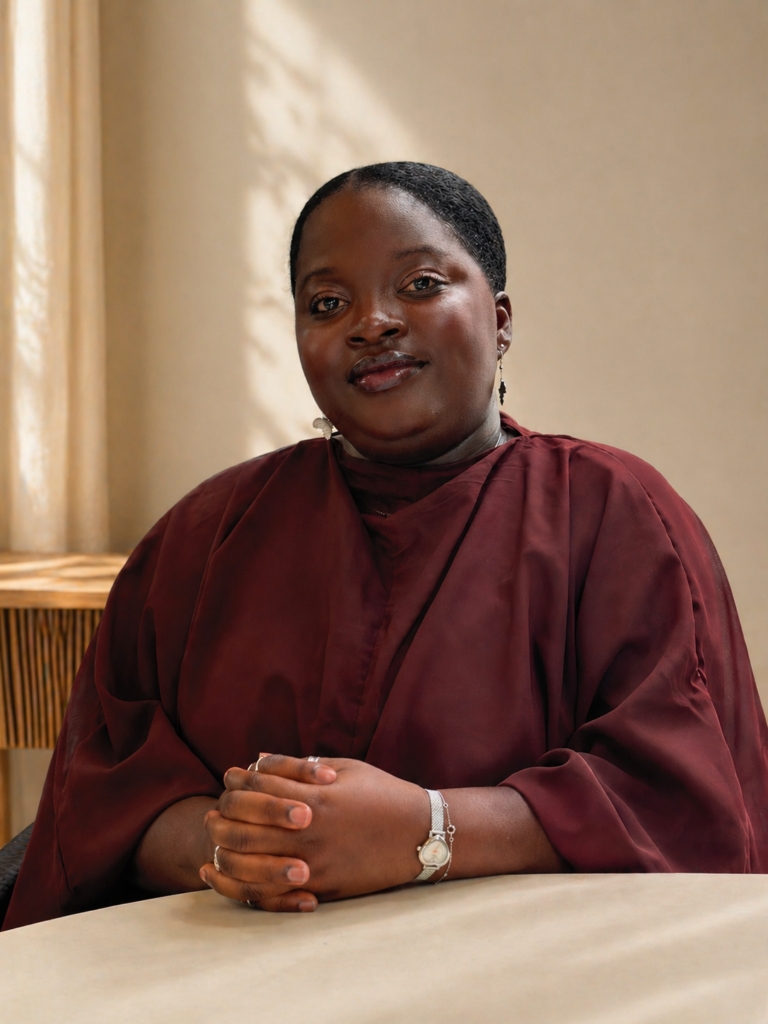
Tosin Oyegoke, founder of Bèbèdí, is a chemical engineer and a second-time founder.
Her first company, Waist Beads by Nora, gave her seven years of direct relationships with women and a community of over 200,000 members built across 50 countries. The brand became the only waist beads company in the world incorporated in three countries — Nigeria, the U.S., and the United Kingdom.
What those years taught her was not just that women loved waist beads. It was that waist beads were doing something functional.
“It was seven years of women telling me when they come to shop in-store, at community events, in reviews, in messages, about their relationship with their waist beads,” she says. “One thing kept recurring: waist beads were helping them notice things about their bodies. Bloating, weight shifts, changes they couldn’t name but could feel.”
She also noticed that women weren’t taking them off. Years would pass. The beads stayed on through showers, through sleep, through every season of a woman’s life, because they felt like a part of them. That continuous, uninterrupted wear was the signal she couldn’t unsee.
“Every wearable that’s ever gained real adoption was built on a form factor humans already trusted,” she says. “We already had that.”
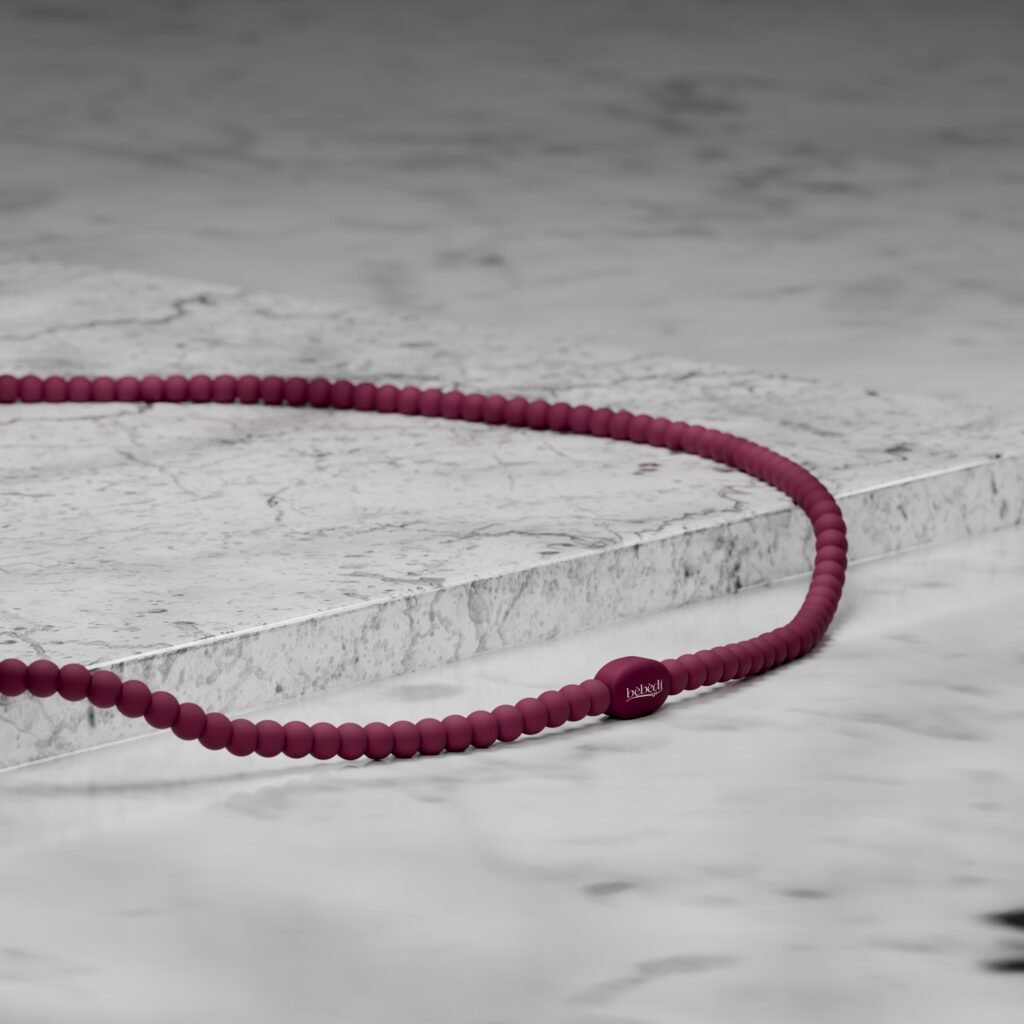
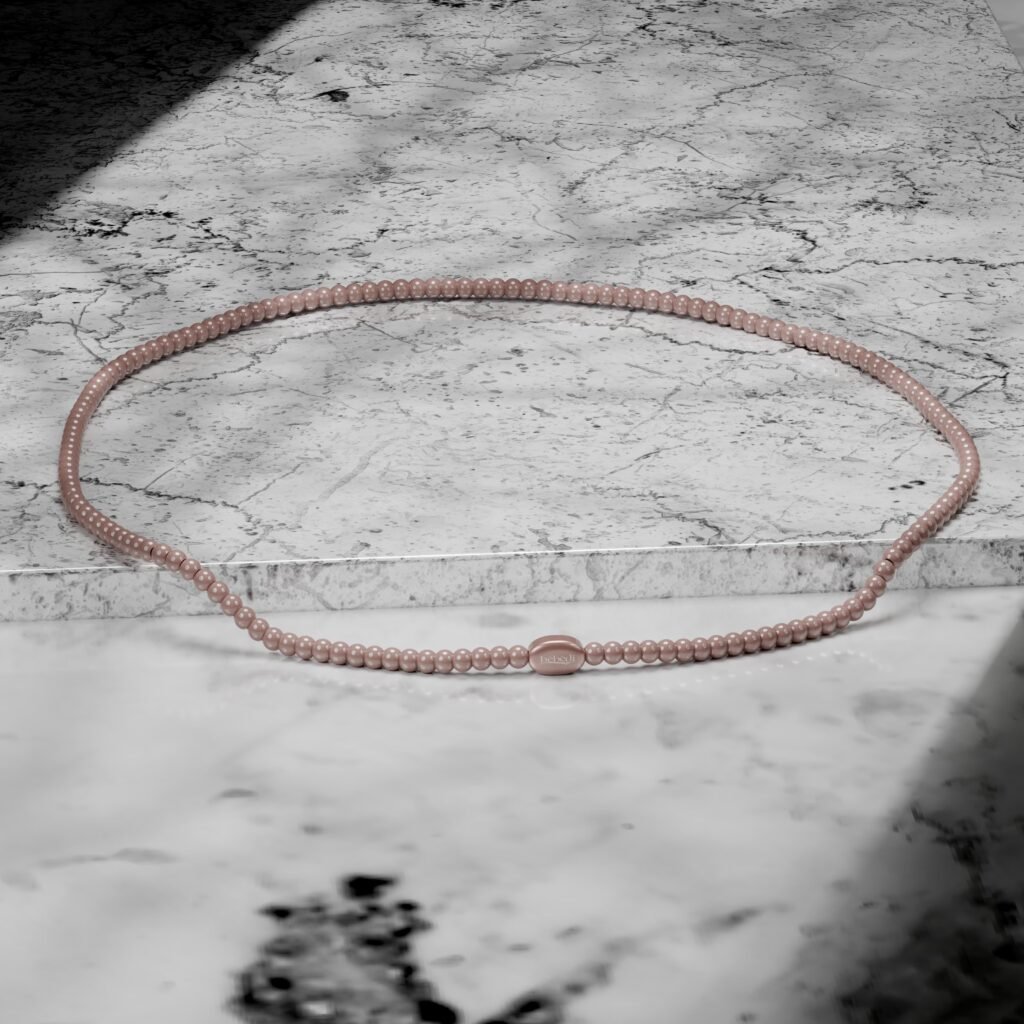
Bèbèdí is a Yorùbá word loosely meaning something worn around the waist, just as the practice of wearing waist beads to track the body’s rhythms is most prominently associated with West African cultures, particularly the Yorùbá.
What Tosin and her co-founder Omotayo Olaiya understood was that this practice had been encoding something clinically true all along.
When they discovered Mayo Clinic research on waist circumference, it confirmed what they had already observed. The waist is one of the most clinically significant measurements in women’s health and a primary marker for metabolic health, hormonal conditions, and cardiovascular risk.
“The cultural tradition gave us the clearest, most trusted encoding of something that turns out to be true for women everywhere,” Tosin says. “The rootedness in culture and the broader market are the same conversation for us. The foundation is just centuries old.”
This is what Tosin calls cultural intelligence, and she is precise about what it means. Culture informing how a product looks is one thing. Culture informing the design decision, the technology, and how it actually works is something else entirely.
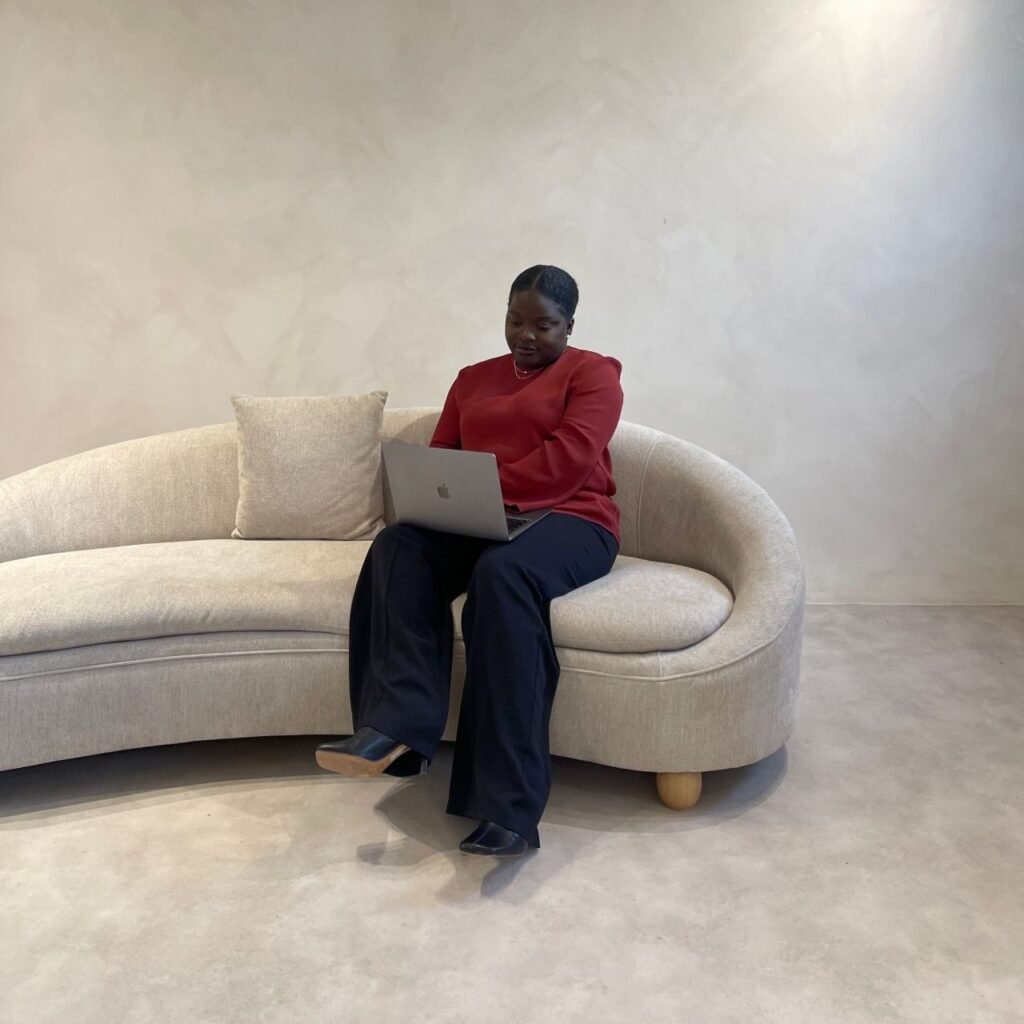
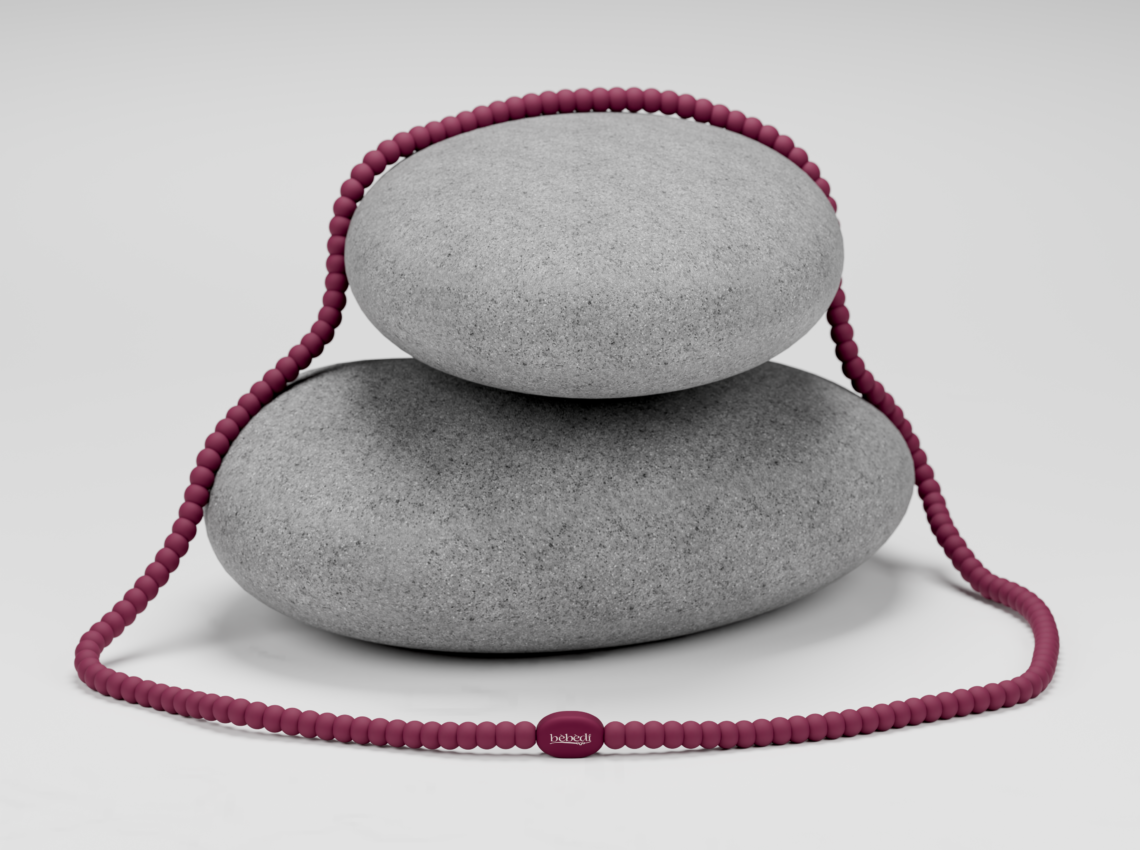
Currently operating on a waitlist, Bèbèdí is a waist-worn wellness wearable that tracks activity like temperature, movement, cycle patterns, and sleep, and it pairs with an AI-native companion app that translates everything into language that actually makes sense. The piece is worn like jewelry, designed to fit into everyday life, and built to be worn continuously, with battery life up to two weeks.
But, what it is not is equally important. Bèbèdí is not a fitness tracker. It’s not a medical device. And it’s not a diagnostic tool. It is not a replacement for healthcare.
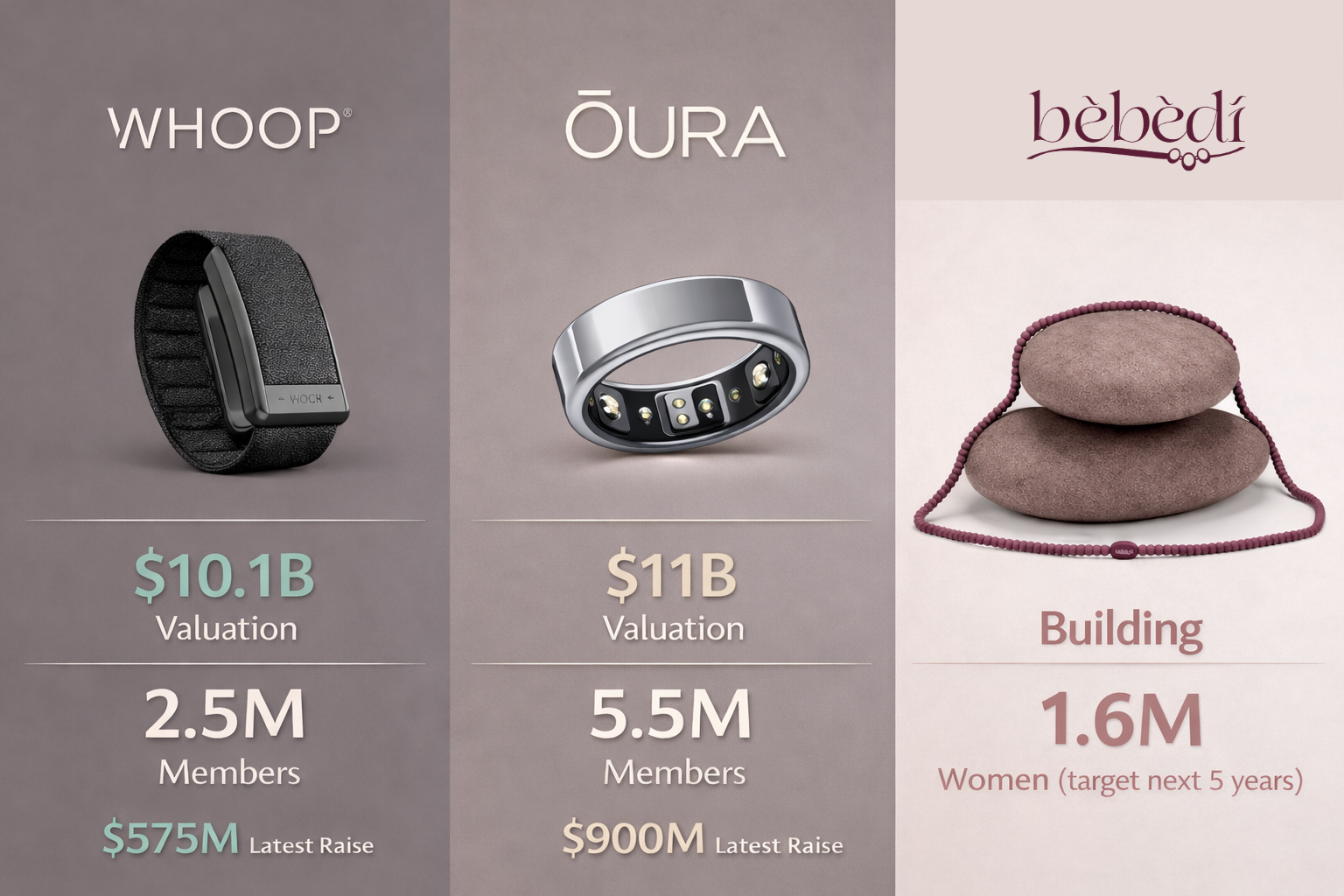
Overall, this isn’t a new concept. Wearables have generally become quite popular over recent years and the wearables category has been shaped by brands like Oura, Whoop, and Apple.
“Apple and Oura are extraordinary companies who have built great products,” Tosin says. “The honest read is that they are building for a general market and women are not the design centre.”
Bèbèdí’s current waitlist of 3,500+ members is the early signal of a community already forming around what the brand represents.
“The form factors are bulky, male-centric, and were not built for women’s bodies,” she continues. “The data models were not built around women’s health patterns, and neither company has the cultural relationship with women that my co-founder and I have spent a combined 12 years building.”
And the product behind Bèbèdí reflects that relationship. Before going to market, the team interviewed over 1,000 women across different life stages, gathered 500+ survey responses across 27 countries, and put the device through more than 10 hardware iterations focused on comfort, fit, and wearability.
“Our mission is for Bèbèdí to become the most preferred wearable for women across every life stage,” Tosin shares. “The category leaders have shown that wearables can become intimate and indispensable. We are building that, for women specifically.”
Additionally, behind the hardware is a longitudinal dataset of women’s waist-circumference biometrics that does not exist anywhere in the world. Bèbèdí is building it.
Tosin spoke on the data gap based on women’s health historically being under-researched. “Getting this right now is how we improve women’s health outcomes over the next decade. The dataset is where that starts.” The company is currently raising its pre-seed, with significant inbound investor interest since its public announcement earlier this year.
On navigating fundraising as a woman founder building something so explicitly centered on women’s bodies and knowledge, Tosin says, “I am grateful to our grandmothers for passing down the tradition of body awareness, and I am proud to be the one innovating it for women around the world.”
Bèbèdí is currently in private beta. Learn more at bebedi.com.