GROWN Hosts 2nd Annual FoundHER Summit in Partnership with Shopify
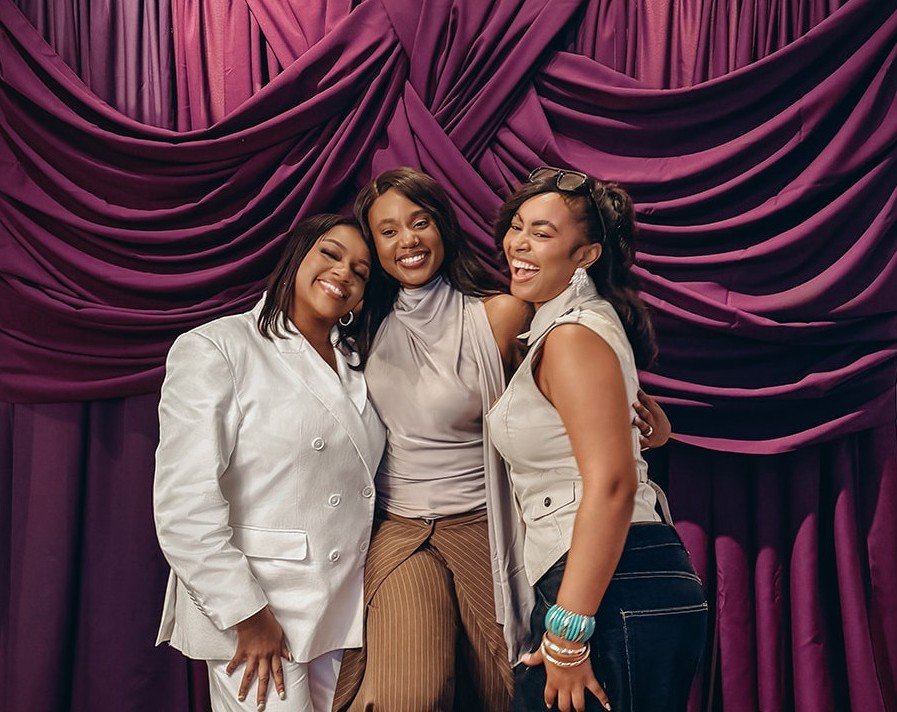
GROWN brought founders, creators, executives, and multihyphenate women together for a day built around the realities of building a brand, a business, and a career on your own terms.
In this economy, with this job market, most people don’t fit neatly into a single career category.
Someone might have a 9 to 5 and a side hustle. Or might be a creator building a company around their audience. Or might be a founder who is also the face of a brand, an artist building a business around creative work, or an executive quietly preparing for a next chapter.
FoundHER Summit was built for these exact women.
Earlier this month, GROWN brought its 2026 FoundHER Summit to Shopify NY in New York City for a full day of programming designed for founders, creators, corporate-preneurs, and women building at the in between. The programming moved from brand building and confidence to funding, career pivots, pitching, and connection, reflecting a broader idea at the heart of the summit that there is a strong business case for being multi-hyphenate.


The story behind FoundHER begins more than a decade ago.
GROWN founder Kaya Nova started the platform while she was a sophomore in college, initially creating a blog called She Unplugged as a personal outlet. Friends eventually began contributing, followed by women across the country and around the world. There was no elaborate business plan behind its beginnings, it grew organically into what would become GROWN.
Today, Kaya describes GROWN as a place where every Black girl can be seen, a space where women don’t have to arrive polished, finished, or certain of all the answers. It is intentionally designed to give women room to learn, grow, be messy, and figure things out alongside other women doing the same.
That philosophy is what makes the FoundHER Summit different from a traditional business conference.
Kaya herself came to entrepreneurship through music. She studied music at Spelman College, later earned a master’s degree in contemporary performance and production from Berklee, and has worked as a producer, songwriter, and self-taught pianist. For her, being an artist and being a founder have never existed in separate compartments. And that overlap matters.
“I wanted to re-envision what it means to start something,” Kaya explains. FoundHER was created in response to a gap she experienced herself where spaces for women founders often didn’t account for creative women who were simultaneously building their artistry and their businesses. “No one could ever really relate to my multifacetedness.”
FoundHER takes that multifacetedness and makes it the premise rather than the exception.
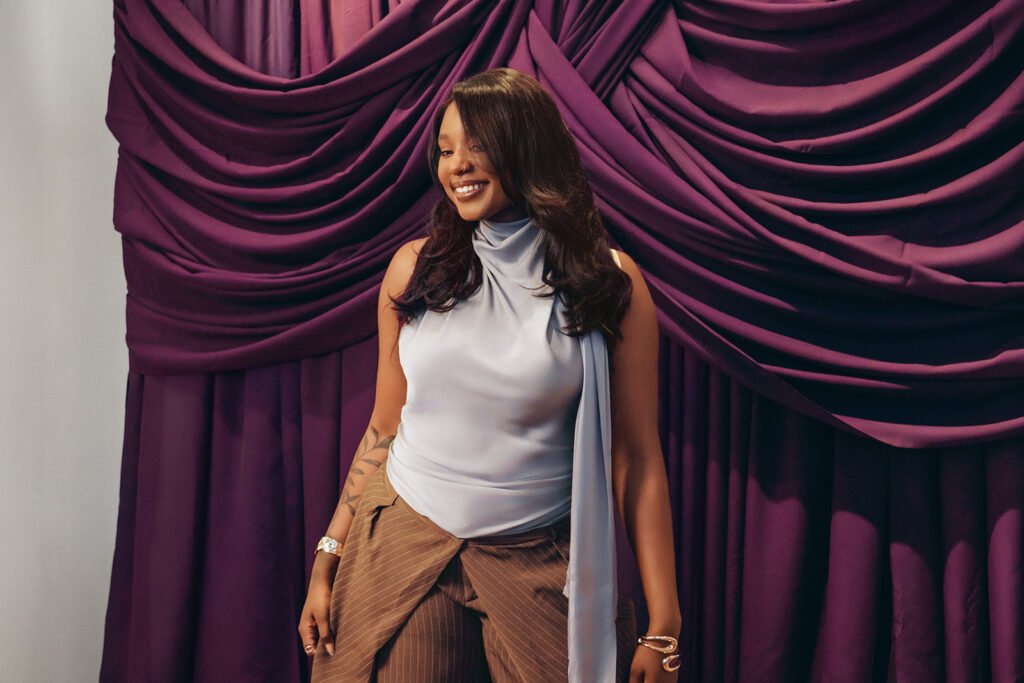
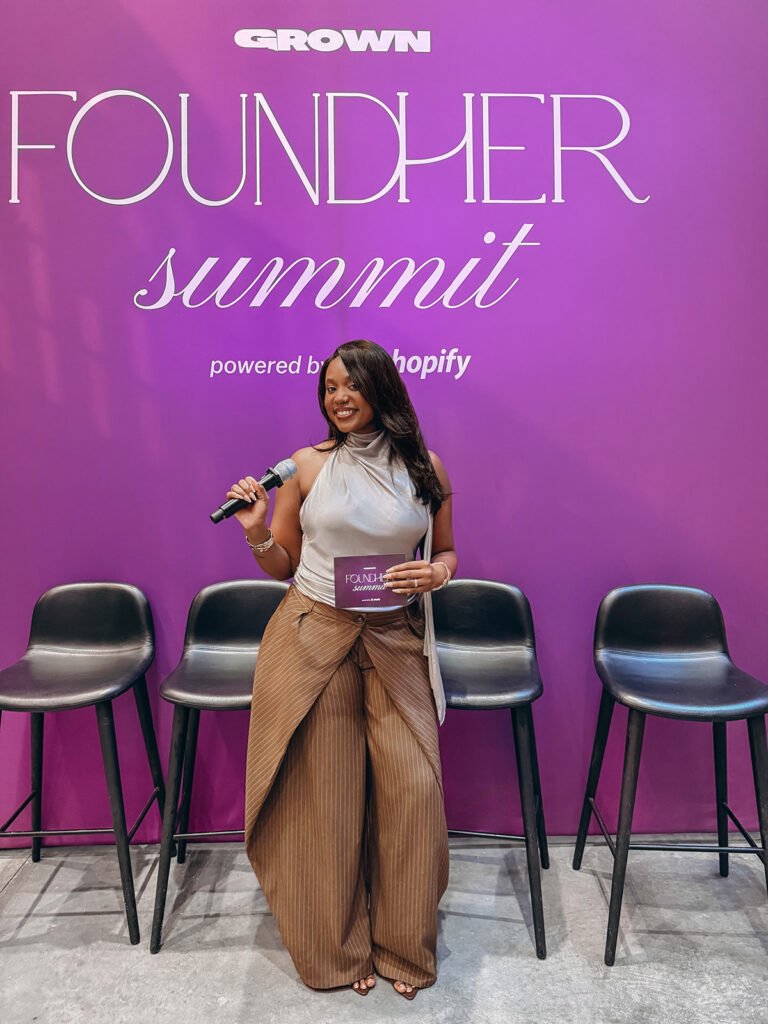
The summit’s speaker lineup made that philosophy tangible.
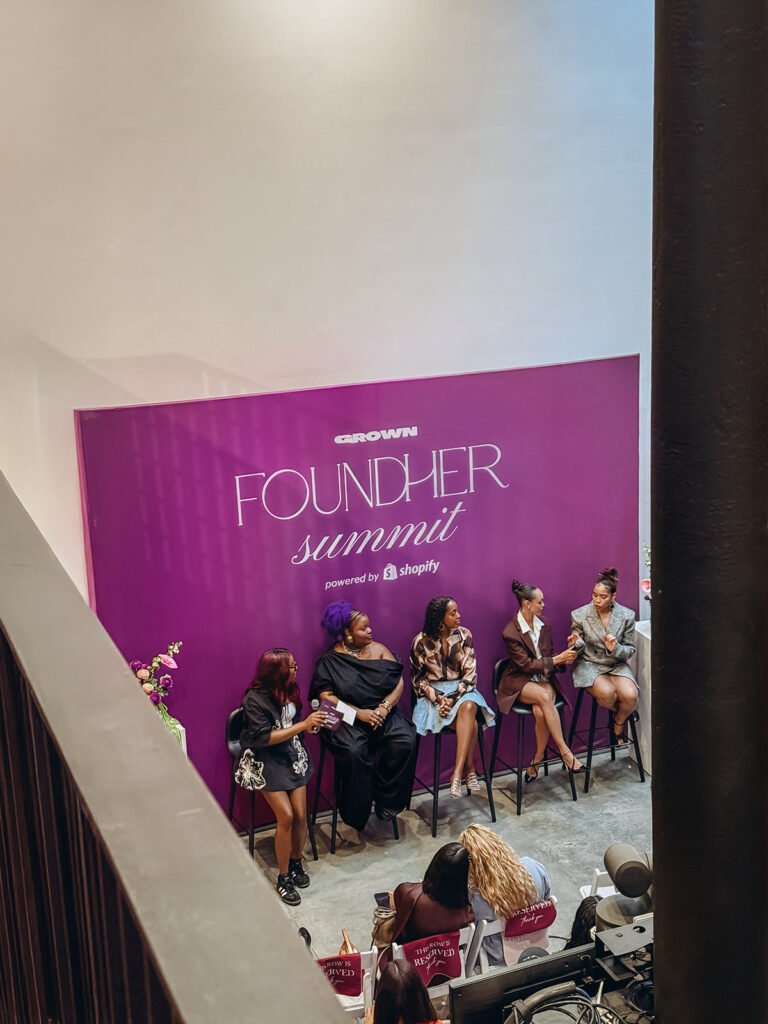
Rather than centering one archetype of success, FoundHER brought together women operating across entrepreneurship, corporate leadership, creative direction, media, marketing, social strategy, investing, and the creator economy.
Brittany Antoinette, a founder and creative director, brought the perspective of building at the intersection of creativity, culture, and brand. Kalani Byrd, Head of Platform at Revenge Capital, brought an investor and ecosystem perspective to the conversation around access and funding. Aisha Beau Frisbey represented another kind of entrepreneurial journey, moving from fashion PR into media and entrepreneurship, while Ylorie Taylor brought more than two decades of experience spanning beauty, marketing, corporate leadership, entrepreneurship, and business advising.
The range continued throughout the lineup: creator and host Achieng Agutu; Hanahana Beauty founder and CEO Abena Boamah-Acheampong; Sienna Naturals Head of Marketing Eden Zeilo; beauty journalist and founder Olivia Hancock; Cee Cee’s Closet NYC co-founder and CEO Chioma Ngwudo; social strategist and creator Tameka Bazile; brand leader and founder Savannah Hart; and creatorpreneur and social strategist Jayde I. Powell, among others.


The point wasn’t just that these women have impressive résumés, it was that they have impactful stories. And FoundHER deliberately put those stories in one room.
Kaya was intentional about that curation. She wanted women who could “actually talk about something,” not just recognizable names filling seats on a panel. Her team considered each speaker’s experience, perspective, expertise, and the unique value she could bring to women who came looking for something they could actually use.
That distinction is important in an era when founder events can easily become exercises in proximity to popular social figures.
FoundHER aimed for something more useful: access to women who have actually navigated the questions attendees are trying to answer.
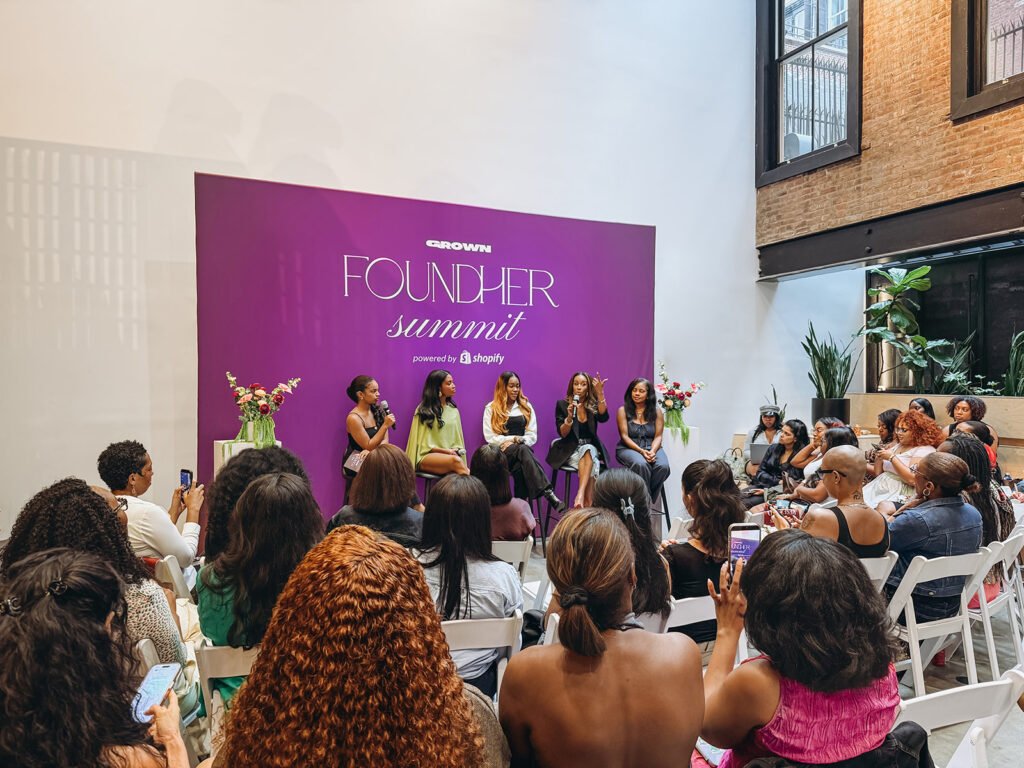
Shopify’s role in FoundHER also makes sense, beyond the physical venue.
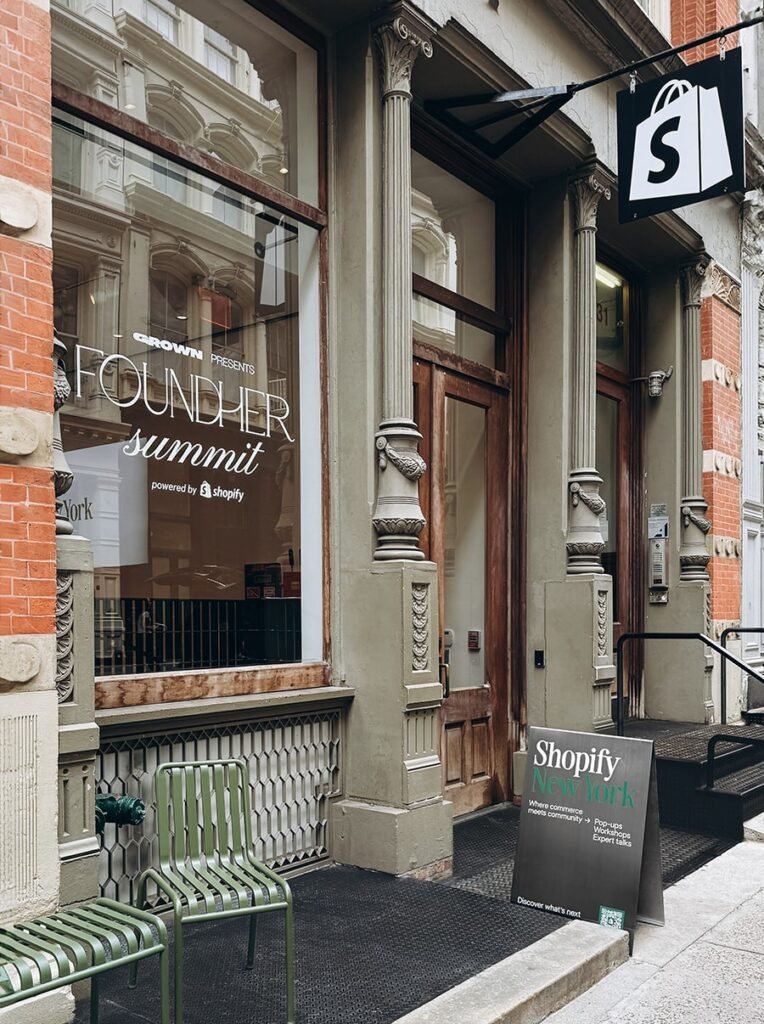
The partnership began with the first FoundHER Summit, when Shopify NY opened its space to GROWN and became involved in the planning and execution of the inaugural event. For Kaya, the partnership was natural because Shopify’s broader ecosystem is built around supporting entrepreneurs and helping businesses grow. This year’s summit continued that alignment.
Shopify NY became the physical home for a conversation that moved through the entrepreneurial journey: brand building, content, capital, career transition, pitching, and commerce. The event itself included access to mentors and potential collaborators, a small business marketplace, sponsor resources, and tangible takeaways designed to help attendees move their businesses forward.
In that sense, the partnership works because the two organizations contribute different pieces of the same ecosystem. GROWN brings the cultural point of view, community, storytelling, and understanding of the women it serves. Shopify brings entrepreneurial infrastructure and an ecosystem built around helping people turn ideas into businesses.
Together, the partnership created a room where the conversation could move beyond What do you want to build? toward What will help you actually build it?
Of course, the value of an event like FoundHER cannot be measured entirely by its programming.
Kaya remembers two women who met at the previous FoundHER Summit and eventually became friends and creative collaborators. That connection stayed with her because it represented something the summit was designed to create: not just an exchange of information, but the possibility of finding someone who understands the particular experience of building across multiple identities and ambitions.
That’s the distinction between an audience and a community. An audience consumes information. A community can change what becomes possible.
FoundHER was designed to give women access to both.


There is an especially fitting piece of timing surrounding this year’s summit.
FoundHER coincides with the anniversary of Kaya leaving her job and becoming a full-time entrepreneur. The previous year, she had been in the same Shopify room while still working her day job and preparing for that transition. This year, she returned having spent an entire year on the other side of that decision.
For someone accustomed to moving from one task to the next, “go, go, go,” as she describes it, the summit offered an opportunity to stop long enough to recognize what had actually been built.
Her hope was simple: to exhale and say, “Girl, you did it.”
That sentiment mirrors the larger message she wanted women to take home.
In a culture increasingly shaped by comparison, social media can make someone else’s timeline feel like evidence that you’re behind. Kaya’s message is the opposite: your story is yours, your timing is yours, and you cannot switch places with someone else.
The goal, then, isn’t to become someone else, it’s to find the version of yourself capable of moving forward. “It’s possible. I’m capable of making it happen. I just have to find my inner ‘her’ to make it happen,” Kaya says.
That may be the most useful definition of FoundHER.
Not a room where women come to be told what success is supposed to look like. A room where they can see how many ways a woman can build.
A room where a founder can learn from an artist, an executive can learn from a creator, a creative can learn about capital, and a woman standing at the beginning of her next chapter can meet someone who has already walked through it.
Not one definition of success. Not one kind of founder. Not one title.
Just women finding the version of themselves that is ready to build, and giving her somewhere to begin.
Photography: Ashley Cadogan for Queens At Work